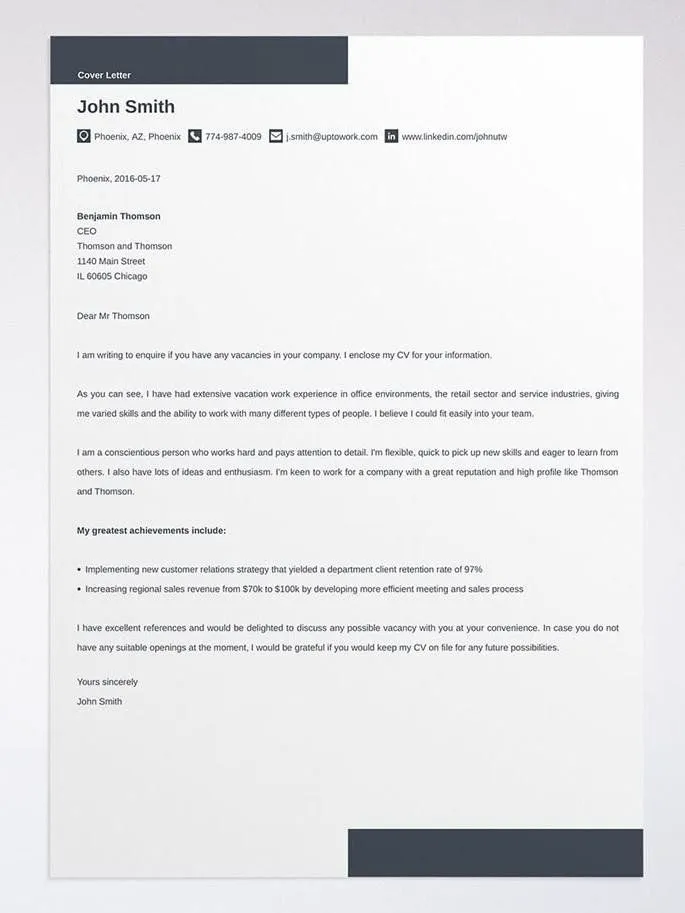
What is a Cover Letter
A cover letter is a crucial document that accompanies your resume when applying for a job. It serves as your personal introduction to the hiring manager, providing a space to elaborate on your qualifications, experiences, and your genuine interest in the specific role and company. More than just a formality, it’s your opportunity to make a strong first impression and differentiate yourself from other applicants. It’s a chance to showcase your personality, writing skills, and communication abilities, elements that a resume alone often can’t convey. The cover letter should complement your resume, not just repeat it, but rather expand on the skills and experiences most relevant to the job description.
Why Cover Letters are Important
Cover letters are important because they offer a narrative that a resume, in its concise format, can’t provide. They allow you to personalize your application, demonstrating that you’ve put thought and effort into understanding the role and the company’s needs. They are important as they provide a deeper dive into your experiences, connecting them to the requirements of the job. Hiring managers often use cover letters to gauge your writing and communication skills, your attention to detail, and your overall professionalism. They can reveal how well you align with the company culture and what unique value you bring to the table. In a competitive job market, a well-crafted cover letter can set you apart and significantly increase your chances of landing an interview.
When a Cover Letter is Absolutely Necessary

There are situations where a cover letter isn’t just recommended, but essential. If the job posting specifically requests one, submitting an application without a cover letter will likely lead to your application being immediately dismissed. When applying for a specific role, a cover letter is crucial to show your understanding of the job’s requirements and how your skills align with them. It allows you to tailor your message to the specific needs of the employer. Also, if you are trying to explain career changes, gaps in your employment history, or unique circumstances, a cover letter provides a space to address these issues directly and provide context.
Applying for a Specific Job
When applying for a specific job, a cover letter is your chance to show that you have thoroughly read the job description and understand the company’s needs. It’s where you can highlight the most relevant skills and experiences, tailoring your pitch to align with the role’s requirements. This is a chance to convey your enthusiasm for the position and the company. It’s also the place to subtly demonstrate that you have the skills required for the role. A cover letter allows you to connect the dots between your past experiences and the future responsibilities of the role you’re applying for, painting a clear picture of how you’ll contribute to the company’s success.
Highlighting Career Changes or Gaps
Career changes and employment gaps can raise questions with a hiring manager. A cover letter is an excellent opportunity to explain these situations clearly and concisely. You can explain why you made a career transition, emphasizing the skills you’ve gained and how they are relevant to the new role. For employment gaps, use the cover letter to briefly explain the circumstances and highlight any skills or experiences you gained during that time. Be honest, positive, and focus on what you learned or the activities you undertook during that period. Frame these experiences as opportunities for growth and development, showing that you have adapted and continued to grow even during times of change.
Networking and Informational Interviews

When reaching out to someone for an informational interview or after a networking event, a cover letter or a tailored email serves as a personalized introduction. This is your chance to express your gratitude for their time and highlight any specific advice or insights they offered. You should also summarize your key qualifications and explain why you are interested in connecting. This shows that you value their expertise and respect their time. It demonstrates that you’ve reflected on your conversation, and are actively pursuing your career goals. Remember to include a clear call to action, such as asking if they are aware of any relevant job openings or if they have additional advice.
When a Cover Letter is Optional
There are scenarios where a cover letter might be considered optional. This typically depends on the specific company’s application process and the job itself. However, even if a cover letter isn’t explicitly required, consider whether it would enhance your application. Some companies, particularly those with automated application processes, may not give as much weight to cover letters, while others still value the personal touch and the opportunity to learn more about you.
Online Applications
Many online application systems allow you to upload a cover letter, but some may only give you the option to provide a brief text field for a “cover letter.” If the system allows it, always upload a cover letter tailored to the job. Even if it is a simple text field, use the opportunity to add a few sentences highlighting your most relevant skills and experiences. Even if the platform doesn’t require it, consider it; often, the additional effort can set you apart from other applicants. Make the best of the options available to provide information that will increase your chance to be considered.
Internal Applications

For internal applications, the need for a cover letter can vary depending on your company’s culture and the specific role. If it’s a standard practice to submit a cover letter, follow it. Even if it’s not explicitly required, including one shows your initiative and attention to detail. Adapt your cover letter to highlight your internal achievements and how they relate to the new position. It is an opportunity to remind your current employer of your skills and experience and to express your commitment to your company’s success.
When You Probably Don’t Need a Cover Letter
While a cover letter is often beneficial, there are cases when it might not be necessary. These situations usually involve unsolicited job applications or when the resume itself is comprehensive enough. It’s essential to use your judgment and consider the specific circumstances of your job search.
Sending a Resume Without an Advertised Role
When sending your resume to a company without a specific job posting, it might be appropriate to include a brief, well-crafted cover letter. This letter should concisely state your career goals and highlight why you are interested in the company. However, if the company’s website explicitly discourages unsolicited applications, respect their policy. Instead, consider networking within the company to find an opening that might be a good fit. Sending your resume cold without a cover letter is generally acceptable, but be ready to answer the question, “Why this company?” in case you are asked.
Resume is Enough

In some cases, the resume itself can be sufficient, especially if you have a very straightforward career history and the job requirements are clearly aligned with your experiences. If the job posting doesn’t explicitly request a cover letter and the application process is streamlined, you might be able to get by with just your resume. However, it is always advisable to provide a cover letter. It shows you care about the position and are willing to take the time to set yourself apart.
Crafting a Compelling Cover Letter
A compelling cover letter isn’t just a summary of your resume; it’s a narrative that tells your professional story, demonstrating your suitability for the role and your enthusiasm for the company. It should be tailored to each job and should align your skills with the job description, while showing your unique value. Think of it as your chance to showcase your personality and writing skills, setting yourself apart from other candidates.
Key Elements of a Strong Cover Letter
A strong cover letter should include a compelling opening that grabs the hiring manager’s attention. It should clearly state your purpose, i.e., why you are applying for the role. The body of the letter must provide specific examples of your skills and experiences, quantifying your achievements whenever possible. Emphasize how you will contribute to the company’s goals. Your letter should also express your enthusiasm for the company and the role. End with a clear call to action, such as requesting an interview and expressing your gratitude for their time.
Cover Letter Mistakes to Avoid

Avoid common cover letter mistakes like generic templates. Generic cover letters show a lack of effort and interest. Never include typos or grammatical errors, as they reflect poorly on your attention to detail. Don’t simply repeat your resume; expand on your experiences and connect them to the job’s requirements. Avoid using jargon or overly formal language; it’s better to maintain a conversational tone that reflects your personality. Keep it concise. A cover letter should be a single page in length. Lastly, avoid overstating your abilities. Be genuine, and let your accomplishments speak for themselves.