Crafting a Compelling Cover Letter for VP Academic Affairs
A well-crafted cover letter is your first opportunity to make a strong impression and secure an interview for the Vice President of Academic Affairs position. This crucial document serves as more than just an introduction; it’s your chance to articulate your qualifications, demonstrate your understanding of the role, and highlight your unique value proposition. In a highly competitive field, a compelling cover letter can be the key differentiator that sets you apart from other candidates. This comprehensive guide will provide you with the essential knowledge and strategies needed to create a cover letter that captivates the hiring committee and paves the way for your success.
Understanding the Role of a VP Academic Affairs
Before you begin writing, it’s vital to fully understand the scope and responsibilities of a Vice President of Academic Affairs. This understanding will inform your letter and ensure you highlight the most relevant skills and experiences. The VP of Academic Affairs is a key leadership position, often reporting directly to the President or Chancellor and playing a critical role in shaping the academic vision and strategic direction of the institution. They are responsible for overseeing all aspects of academic programs, faculty affairs, curriculum development, and student success initiatives. A strong understanding of these core functions is paramount.
Key Responsibilities and Expectations

The specific responsibilities can vary slightly depending on the institution, but some common expectations include providing leadership in academic planning, resource allocation, and assessment; fostering a culture of excellence in teaching, scholarship, and service; overseeing the development and implementation of academic policies and procedures; and ensuring compliance with accreditation standards. They must possess strong communication and interpersonal skills to work effectively with faculty, staff, students, and external stakeholders. The ability to lead and manage effectively in a dynamic environment is also crucial.
Highlighting Relevant Skills and Experiences
Your cover letter should showcase the skills and experiences most relevant to the position. This involves more than simply listing your qualifications; you must demonstrate how your past experiences have prepared you to excel as a VP of Academic Affairs. Use specific examples to illustrate your accomplishments and quantify your impact whenever possible. By connecting your qualifications to the needs of the institution, you make a compelling case for why you should be selected for an interview. Focus on highlighting achievements that align with the institution’s priorities and values.
Academic Leadership and Management
Emphasize your leadership experience in academic settings. This might include leading academic departments, serving on university committees, or spearheading strategic initiatives. Mention your ability to build consensus, motivate teams, and foster a collaborative environment. Provide examples of how you have successfully managed budgets, resources, and personnel. Highlight any experience in conflict resolution, performance management, and faculty development programs. Demonstrate your ability to make sound decisions and drive positive change within an academic environment.
Strategic Planning and Vision

Showcase your ability to develop and implement strategic plans that advance the institution’s academic mission. Describe your experience in conducting needs assessments, setting goals, and evaluating outcomes. Provide examples of strategic initiatives you have led or contributed to, and highlight the positive impact these initiatives had on the institution. Mention your ability to anticipate challenges, identify opportunities, and adapt to changing circumstances. Demonstrate your commitment to innovation and continuous improvement in academic programs.
Budgeting and Resource Management
Demonstrate your expertise in managing budgets, allocating resources, and ensuring fiscal responsibility. Provide examples of how you have successfully managed budgets, controlled costs, and identified opportunities for efficiency. Highlight your ability to develop and implement financial plans that support the institution’s academic goals. Mention your experience in securing external funding through grants or other sources. Demonstrate your understanding of the financial implications of academic decisions and your ability to make informed resource allocation choices.
Demonstrating Impact and Achievements
Focus on the impact of your contributions. Quantify your achievements whenever possible using metrics. For example, you might mention how you increased student retention rates, improved faculty satisfaction, or secured external funding for a specific program. By providing concrete evidence of your past successes, you demonstrate your ability to make a tangible difference in the VP of Academic Affairs role. Use data and statistics to showcase your effectiveness. This approach lends credibility to your claims and helps the hiring committee understand the value you bring.
Quantifiable Results and Metrics

Quantify your achievements with specific data points. Instead of saying “Improved student success,” say “Increased student graduation rates by 15% within three years.” Instead of stating that you “Improved faculty satisfaction,” explain how you “Increased faculty satisfaction scores by 20% through the implementation of new professional development programs.” When possible, provide data on grant funding secured, program enrollment increases, or other measurable outcomes. Use statistics and measurable data to support your claims. This demonstrates your ability to drive results and make data-driven decisions.
Tailoring Your Cover Letter to the Institution
A generic cover letter will not suffice. To make a strong impression, you must tailor your cover letter to the specific institution and position. This involves researching the institution, understanding its mission and values, and addressing the specific requirements outlined in the job posting. Customization demonstrates your genuine interest in the opportunity and your commitment to aligning your skills and experiences with the institution’s needs. This preparation can significantly enhance your chances of securing an interview.
Researching the Institution’s Mission and Values
Before writing your cover letter, thoroughly research the institution’s mission, values, strategic plan, and recent accomplishments. Visit the institution’s website, read its publications, and explore its social media presence. Identify key priorities and initiatives and tailor your letter to demonstrate how your skills and experiences align with these priorities. Show that you understand the institution’s culture and are genuinely interested in contributing to its success. Research key faculty, leadership, and recent campus events to demonstrate your understanding of the institution.
Addressing Specific Requirements and Preferences

Carefully review the job posting and identify the specific requirements and preferences. Address each of these in your cover letter, providing examples of how you meet each requirement. Tailor your language and examples to align with the institution’s expectations. For example, if the job posting emphasizes a commitment to diversity and inclusion, be sure to highlight your relevant experience and demonstrate your commitment to creating an inclusive academic environment. Customize your letter based on the specific needs and priorities outlined in the job description, making a case for your qualifications.
Structuring Your Cover Letter for Maximum Impact
The structure of your cover letter is crucial. A well-organized letter guides the reader and ensures that your most important qualifications are highlighted effectively. Use a clear and logical structure, with distinct paragraphs that each focus on a specific aspect of your qualifications and experiences. The goal is to create a seamless and engaging narrative that leaves the reader wanting to learn more about you. Pay attention to the formatting, ensuring readability and a professional appearance. A well-structured letter demonstrates your attention to detail and your ability to communicate effectively.
Opening Paragraph Engaging the Reader
Your opening paragraph is your first opportunity to grab the reader’s attention. Start with a compelling statement that clearly states the position you are applying for and expresses your enthusiasm for the opportunity. Briefly mention a key accomplishment or skill that immediately captures the reader’s interest. Avoid generic openings. Instead, demonstrate your understanding of the institution and why you are excited about the prospect of joining their team. A strong opening paragraph sets the tone for the rest of your letter and encourages the reader to continue.
Body Paragraphs Showcasing Qualifications

The body paragraphs should provide details about your qualifications and experiences. Focus on the key requirements of the position and provide specific examples that demonstrate your ability to meet those requirements. Structure each paragraph around a specific skill or accomplishment, using the STAR method (Situation, Task, Action, Result) to provide context and illustrate your impact. Use clear and concise language and avoid jargon. Keep each paragraph focused and make it easy for the reader to understand how your experiences align with the institution’s needs. Use a persuasive and engaging writing style.
Closing Paragraph and Call to Action
In your closing paragraph, summarize your key qualifications and reiterate your enthusiasm for the position. Thank the reader for their time and consideration. Include a call to action, expressing your interest in an interview and providing your contact information. Be polite, professional, and confident. This is your last chance to leave a positive impression. Ensure that your contact information is accurate and up to date. A strong closing paragraph reinforces your interest and makes it easy for the hiring committee to contact you.
Essential Elements to Include in Your Cover Letter
Several key elements should always be included in your cover letter to ensure it is complete and professional. Missing these elements can significantly weaken your application. Ensure that each element is present and presented effectively to maximize your chances of success. This comprehensive approach demonstrates your attention to detail and your commitment to making a strong impression. Careful inclusion of these components provides a well-rounded view of your abilities and experiences.
Education and Credentials
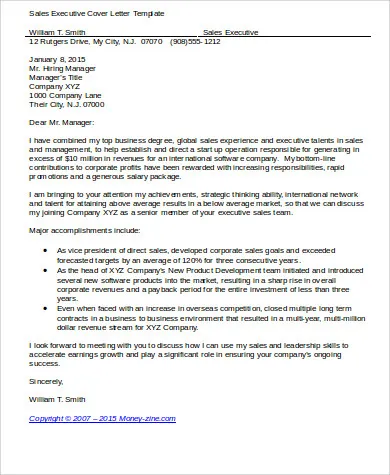
Clearly state your highest degree earned and the institution from which you graduated. Mention any relevant certifications or licensures. If applicable, briefly highlight your academic achievements, such as honors, awards, or scholarships. The academic qualifications are important in the field. Include the degrees and institutions. Make sure the degree and the institution are the accurate. The degree must be relevant.
Experience and Accomplishments
Provide a concise overview of your professional experience, including the dates of employment, job titles, and the names of the institutions where you have worked. Focus on your key responsibilities and accomplishments, using action verbs to describe your contributions. Use the STAR method to provide context and illustrate your impact. Quantify your achievements whenever possible. Make sure the experience is relevant and in order.
Leadership and Management Skills
Highlight your leadership and management skills, providing examples of how you have led teams, managed budgets, and made strategic decisions. Mention any experience you have in conflict resolution, performance management, or faculty development. Provide specific examples that showcase your ability to motivate and inspire others. This is essential as it reflects your capability to lead and manage the academic affairs.
Avoiding Common Cover Letter Mistakes
Avoiding common mistakes is critical. Mistakes can immediately disqualify you from consideration. Addressing them helps you ensure your cover letter showcases your professionalism and attention to detail. By avoiding these pitfalls, you can significantly increase your chances of making a positive impression on the hiring committee. Careful attention to detail is a vital part of cover letter writing.
Generic vs. Tailored Cover Letters
A generic cover letter that could be sent to any institution is a major red flag. Always customize your letter to the specific position and institution. Demonstrate your understanding of their mission, values, and priorities. Generic letters show a lack of effort and enthusiasm, while tailored letters demonstrate your genuine interest in the opportunity. Research the institution and show your understanding.
Typos and Grammatical Errors
Typos and grammatical errors are unacceptable. They reflect poorly on your attention to detail and professionalism. Proofread your cover letter multiple times. Use spell-check and grammar-check tools. Ask a friend or colleague to review your letter for errors. These errors can create a negative impression, undermining your credibility and potentially leading to rejection. Proofread your cover letter to avoid these mistakes.
Lack of Specific Examples
Vague statements and a lack of specific examples can make your cover letter appear weak. Use the STAR method to provide context and illustrate your impact. Quantify your achievements whenever possible. Replace generic descriptions of your skills with concrete examples that demonstrate how you have applied those skills in the past. Use measurable results to make a strong case for your qualifications. Provide specific examples that show your success.
Using Action Verbs to Enhance Your Cover Letter
Using strong action verbs is an effective way to make your cover letter more dynamic and compelling. Action verbs describe your accomplishments and make your experiences more vivid. They convey a sense of initiative and accomplishment. Using the right verbs helps to create a more engaging and impactful letter. Choose verbs that accurately reflect your accomplishments and showcase your skills.
Examples of Strong Action Verbs
Here are some examples of strong action verbs that can be used in your cover letter. Use verbs to show your leadership skills, such as “Led,” “Directed,” “Managed,” or “Oversaw.” Use verbs to show planning and organization, such as “Planned,” “Developed,” “Implemented,” and “Coordinated.” For communication skills, use verbs such as “Communicated,” “Presented,” “Negotiated,” and “Collaborated.” Use verbs related to achievements and results, like “Achieved,” “Improved,” “Increased,” and “Reduced.” Choosing the right verbs can make your cover letter stronger and more impactful.
Formatting and Presentation Tips
The formatting and presentation of your cover letter are also important. A well-formatted letter is easy to read and demonstrates professionalism. Using these formatting and presentation tips makes the cover letter appealing. The appearance of your letter is just as vital as the content. It shows your attention to detail.
Font and Layout
Choose a professional font, such as Times New Roman, Arial, or Calibri. Use a font size between 10 and 12 points. Use a clear and concise layout with adequate spacing. Use margins of at least one inch on all sides. Break up your text with short paragraphs and bullet points to improve readability. Ensure that the layout is clean and uncluttered and the presentation is professional.
Proofreading and Editing Your Cover Letter
Proofreading and editing are essential steps in the cover letter writing process. Errors, as mentioned earlier, can diminish the impact of your application and damage your credibility. Take the time to carefully review your cover letter for any errors in grammar, spelling, punctuation, and word choice. Having a second set of eyes can be incredibly valuable in catching errors that you might miss yourself.
Seeking Feedback and Revision
Ask a trusted colleague, friend, or career counselor to review your cover letter. They can provide valuable feedback on the clarity, structure, and content of your letter. Be open to suggestions and willing to revise your letter based on their input. Consider asking someone with experience in higher education or human resources to review your letter. Seek input and improve your letter using their advice. Use this feedback to refine your letter and improve its overall effectiveness.
By following these guidelines, you can create a compelling cover letter that showcases your qualifications and increases your chances of securing an interview for the Vice President of Academic Affairs position. Good luck!