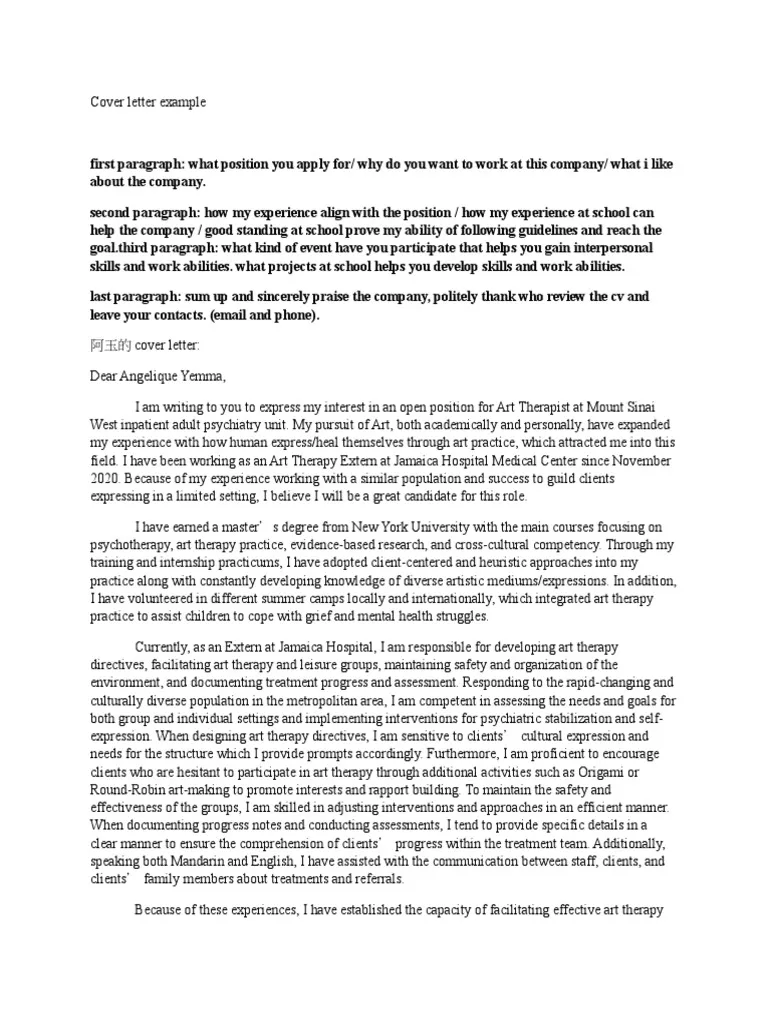
What is a Therapist Cover Letter
A therapist cover letter is a crucial document that accompanies your resume when applying for a job as a therapist. It serves as your introduction to a potential employer, providing an opportunity to highlight your qualifications, skills, and experience in a way that a resume alone cannot. Unlike a resume, which offers a factual overview of your career, a cover letter allows you to express your personality, enthusiasm, and suitability for the specific role. Writing a compelling cover letter is an art, and understanding its purpose and key components is essential to making a positive impression on hiring managers. This guide will walk you through the essential steps and tips to craft a cover letter that impresses.
Purpose of a Cover Letter
The primary purpose of a cover letter is to persuade the hiring manager to read your resume and consider you for an interview. It’s your chance to showcase your unique value proposition and explain why you are the ideal candidate for the position. A well-written cover letter provides context to your resume, elaborating on your key accomplishments and demonstrating how your skills align with the specific requirements of the job. It also allows you to express your genuine interest in the position and the organization, which can set you apart from other applicants. Additionally, a cover letter demonstrates your communication skills and attention to detail, which are vital in any therapeutic role.
Key Components of a Therapist Cover Letter

A strong therapist cover letter typically includes several key components that work together to present a comprehensive and compelling overview of your qualifications. These include your contact information, the date, the recipient’s information, a professional salutation, and well-structured body paragraphs. The body paragraphs should provide a brief introduction, highlight your relevant skills and experience, showcase your enthusiasm for the role and organization, and conclude with a clear call to action. The overall tone should be professional, enthusiastic, and tailored to the specific job requirements. Properly formatting your cover letter ensures that it is easily readable and visually appealing, which enhances your chances of making a positive impression.
Formatting Your Therapist Cover Letter
Proper formatting is essential to make your therapist cover letter easy to read and visually appealing. A well-formatted letter demonstrates your attention to detail and professionalism, which are vital qualities in a therapist. Use a standard, easy-to-read font like Times New Roman, Arial, or Calibri, and maintain consistent font sizes throughout the document. Keep your paragraphs concise, typically no more than five to six sentences each, and use proper spacing between paragraphs to improve readability. Avoid excessive use of bolding, underlining, or italics, and make sure your letter is well-aligned and properly spaced. Proofreading your cover letter carefully for formatting errors is critical, as these can detract from your credibility.
Contact Information
At the top of your cover letter, include your full name, address, phone number, and email address. This information allows the hiring manager to easily contact you. Make sure your email address sounds professional; avoid using nicknames or informal language. Ensure that your contact information is accurate and up-to-date, as this is crucial for the hiring manager to reach you to schedule an interview. Consider using a professional-looking font and format for your contact details to give a good first impression and maintain consistency.
Date and Recipient Information

Below your contact information, include the date on which you are sending the letter. Following the date, include the hiring manager’s name (if known), their title, and the name and address of the organization. If you are unsure of the hiring manager’s name, research the organization’s website or call to inquire. Addressing the letter to a specific person shows that you have taken the time to learn about the organization and shows that you have a genuine interest in the position. Ensure that the recipient’s information is accurate and up-to-date, and use the correct titles and designations to show respect and attention to detail.
Salutation
Begin your cover letter with a professional salutation. If you know the hiring manager’s name, use “Dear Mr./Ms./Dr. [Last Name].” If you are unsure of the hiring manager’s name, use a general greeting like “Dear Hiring Manager” or “Dear [Department Name] Team.” Avoid using overly casual salutations like “Hello” or “Hi.” The salutation sets the tone for your letter, so it is important to start with a respectful and professional tone. Ensure you spell the name correctly, as it shows respect and attention to detail.
Body Paragraphs of Your Cover Letter
The body paragraphs are the core of your cover letter, where you make your case for why you are the best candidate. They should be concise, well-organized, and tailored to the specific job description. Each paragraph should have a clear purpose and contribute to the overall narrative of your qualifications and enthusiasm. Use strong action verbs and specific examples to showcase your skills and accomplishments. Avoid generic statements, and instead, highlight the unique value you bring to the role. The body paragraphs should persuade the hiring manager to read your resume and consider you for an interview.
First Paragraph Introduction

In your first paragraph, state the purpose of your letter and the position you are applying for. Briefly mention where you saw the job posting and why you are interested in the role. Include a brief statement that highlights your most relevant skills and experience. This introductory paragraph should capture the reader’s attention and provide a clear overview of your intent. Keep it concise and to the point, setting the stage for the rest of your letter. Aim to create a good first impression by conveying your enthusiasm and suitability for the role.
Second Paragraph Highlight Skills and Experience
The second paragraph should delve into your skills and experience, demonstrating how they align with the job requirements. Select 2-3 key skills or experiences mentioned in the job description and provide specific examples of how you have used those skills in your previous roles. Quantify your achievements whenever possible to provide tangible evidence of your success. For instance, mention the number of clients you’ve assisted or the positive outcomes you’ve achieved. Use action verbs to describe your accomplishments and provide a clear picture of your capabilities. This paragraph should provide strong evidence of your suitability for the position.
Third Paragraph Show Enthusiasm and Fit
In the third paragraph, express your enthusiasm for the position and the organization. Explain why you are interested in the specific role and what appeals to you about the organization’s mission, values, or approach to therapy. Demonstrate that you have researched the organization and understand its goals. Show how your personal values align with the organization’s, and explain why you believe you would be a great fit for their team. This paragraph is an opportunity to showcase your passion and personality, helping the hiring manager envision you as part of their team.
Closing Paragraph and Call to Action

Conclude your cover letter with a strong closing paragraph that reiterates your interest in the position and expresses your gratitude for the reader’s time and consideration. Restate your enthusiasm and summarize your key qualifications. Include a clear call to action, such as stating that you are eager to discuss your qualifications further in an interview and providing your contact information again. Thank the hiring manager for their time and consideration. Concluding with a polite and professional closing, such as “Sincerely” or “Best regards,” followed by your name, will ensure a positive and lasting impression.
Essential Elements to Include
Including the essential elements in your therapist cover letter ensures that you provide all the necessary information to make a strong impression. These elements should be carefully selected and tailored to the specific job requirements. Highlighting skills, qualifications, relevant experience, and personal fit helps showcase your unique value proposition and demonstrates your suitability for the role.
Skills and Qualifications
Highlight the skills and qualifications that are most relevant to the job description. Refer to the job posting and identify the key skills the employer is seeking. Provide specific examples of how you have demonstrated these skills in your previous roles. These skills may include active listening, empathy, strong communication, crisis intervention, assessment and diagnosis, and knowledge of various therapeutic approaches. Ensure that your skills and qualifications are relevant to the position and match the requirements outlined by the employer.
Relevant Experience

Detail your relevant experience, providing specific examples of your accomplishments and responsibilities. Showcase your experience with the population the organization serves or the therapeutic approaches they utilize. Quantify your achievements whenever possible. Include the name of the previous companies you worked at, the duration of your employment, and the specific roles and responsibilities you held. Provide sufficient detail to demonstrate your experience and value to the hiring manager. Focus on the experiences that align with the job requirements and showcase your ability to perform the duties of the role successfully.
Personality and Fit
Express your personality and how you fit into the organization’s culture. Highlight your passion for helping others, your commitment to ethical practice, and your ability to work effectively in a team. Research the organization’s mission, values, and approach to therapy to understand their culture. Explain how your personal values align with the organization’s values. Demonstrate your understanding of their goals and why you believe you would be a great fit for their team. This will make the hiring manager more likely to consider you a candidate with a great attitude.
Common Mistakes to Avoid
Avoiding common mistakes can significantly improve the impact of your therapist cover letter. These mistakes can undermine your credibility and negatively affect your chances of getting an interview. Paying attention to these common pitfalls and making the necessary revisions can help create a professional, well-written cover letter that maximizes your chances of success.
Typos and Grammatical Errors

Typos and grammatical errors can undermine your credibility and make you appear careless. Carefully proofread your cover letter for any spelling, punctuation, and grammar mistakes. Use spell-check and grammar-check tools to identify errors, but also read through your letter manually to catch any mistakes those tools may miss. If possible, have a friend or colleague review your cover letter for a fresh perspective. These errors can negatively impact the overall impression of the cover letter and potentially disqualify your application.
Generic Content
Avoid using a generic cover letter that is not tailored to the specific job and organization. Customize your cover letter for each position you apply for. Research the organization and address the specific requirements outlined in the job description. Show that you have taken the time to understand the role and the organization’s needs. Address the specific role and demonstrate how your skills, experience, and values align with the job requirements and organizational goals.
Lack of Personalization
Personalize your cover letter to demonstrate your genuine interest in the position and the organization. Address the hiring manager by name, if possible. Express your enthusiasm for the role and the organization’s mission. Avoid using a generic greeting or failing to mention why you are interested in the specific role. This will make the hiring manager more likely to consider you as a serious applicant.
Formatting Errors
Ensure your cover letter is well-formatted, easy to read, and visually appealing. Avoid using unusual fonts or font sizes. Use proper spacing and alignment to enhance readability. Ensure the letter is properly spaced, using a standard font and clear formatting. Errors in formatting can make your cover letter appear unprofessional, negatively affecting your chances of securing an interview. A well-formatted letter demonstrates your attention to detail and professionalism.
Proofreading and Editing
Proofreading and editing are critical steps in ensuring your cover letter is polished and professional. Proofread your cover letter multiple times, paying close attention to spelling, grammar, punctuation, and formatting. Read the letter aloud to catch any awkward phrasing or unclear sentences. Ideally, have a friend, colleague, or career advisor review your cover letter to provide feedback and catch any errors you may have missed. This step is crucial in presenting a well-written and professional document that showcases your qualifications effectively. Consider it a final check to ensure your cover letter makes the best possible impression.