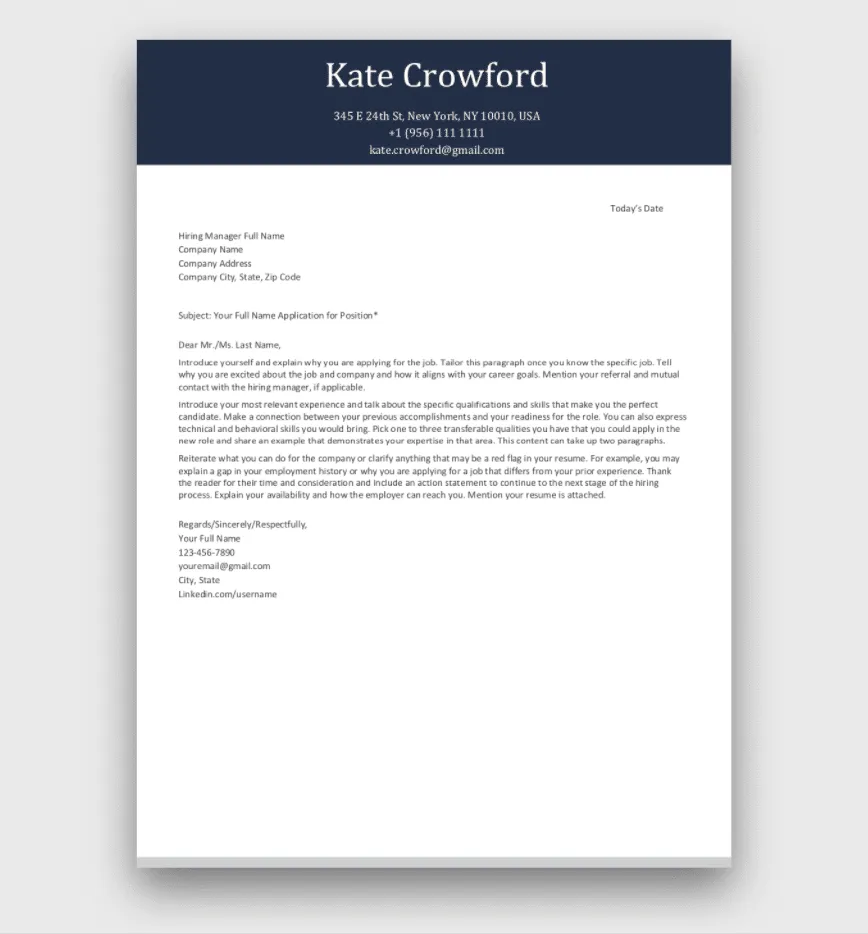
What is a Template Cover Letter UK?
A template cover letter UK is a pre-designed document that provides a framework for writing a cover letter tailored to job applications within the United Kingdom. It serves as a starting point, offering a structured format and suggested content that job seekers can adapt to reflect their individual skills, experience, and the specific requirements of the job they are applying for. This template helps streamline the application process, saving time and ensuring essential elements are included. By using a template, applicants can create professional and well-formatted cover letters that make a positive first impression on potential employers. The key to a successful template usage lies in personalization, modifying the provided structure and content to accurately represent the applicant’s qualifications and aspirations, while adhering to UK standards.
Why Use a Template Cover Letter UK?
Using a template cover letter UK offers several advantages for job seekers. Firstly, it saves time by providing a ready-made structure, eliminating the need to create a cover letter from scratch. This is particularly useful when applying for multiple jobs. Secondly, templates ensure that all the essential components of a professional cover letter are included, such as the applicant’s contact information, a personalized greeting, a clear statement of interest, and a summary of relevant skills and experience. Thirdly, templates often incorporate best practices for formatting and style, such as appropriate font choices, spacing, and a concise, easy-to-read layout. Following these conventions helps to create a professional and polished document. Finally, templates can help job seekers avoid common mistakes that can undermine an application, like forgetting to include important information or using an unprofessional tone. By using a template, applicants can focus on customizing the content to highlight their strengths and make a strong impression on the hiring manager.
Tip 1 Tailor to the Job and Company

One of the most crucial tips for a template cover letter UK is to tailor it to the specific job and company you’re applying to. Generic cover letters are easily identifiable and often lead to immediate rejection. Customize your letter to match the requirements outlined in the job description. Demonstrate that you understand the company’s mission, values, and the specific challenges they face. This shows that you’ve done your research and are genuinely interested in the opportunity. The best cover letters highlight how your skills and experiences directly align with the employer’s needs, demonstrating value and fit.
Highlight Relevant Skills and Experience
When tailoring your cover letter, carefully review the job description and identify the key skills and experiences the employer is seeking. Then, select the most relevant aspects of your background that demonstrate those skills. Use specific examples to show how you have used these skills in past roles and what results you achieved. Avoid simply listing your qualifications; instead, explain how your expertise can benefit the company and contribute to their success. Quantify your achievements whenever possible to make a stronger impact.
Research the Company’s Values
Before writing your cover letter, research the company’s values, mission, and culture. This information will help you personalize your letter and show that you are a good fit for their organization. Visit the company’s website, read news articles, and check out their social media presence. Use this information to show your genuine interest and understanding of the company. If the company emphasizes teamwork, for example, emphasize your experience working collaboratively. If they are focused on innovation, highlight any creative projects or ideas you’ve contributed to. Demonstrating a deep understanding of the company’s culture is a powerful way to make your cover letter stand out.
Tip 2 Keep it Concise and Focused

In the UK, employers value brevity and clarity. Keep your cover letter concise and focused, typically aiming for a single page in length. Avoid unnecessary details and extraneous information. Focus on the most important aspects of your qualifications and how they relate to the job. Every sentence should have a purpose, making sure your letter is easy to read and digest. A well-written and succinct cover letter demonstrates that you value the reader’s time and that you can communicate effectively. This shows you respect the hiring manager and increases the chances of your application being considered favorably.
Structure Your Cover Letter Effectively
Structure your cover letter with a clear and logical format. Start with a professional salutation and a brief introduction that states your interest in the role. Use a few concise paragraphs to highlight your key skills, experience, and achievements, ensuring they are relevant to the job. Conclude with a strong closing statement, restating your interest and including a call to action. Use clear headings and bullet points to make the content easy to scan. This well-structured approach helps the reader quickly grasp your key qualifications and makes a positive impact.
Use a Professional Tone
Maintain a professional tone throughout your cover letter. Use formal language and avoid slang, jargon, or overly casual expressions. Proofread carefully to ensure that your writing is free from grammatical errors and typos. Address the hiring manager by name whenever possible. Use a polite and respectful tone in your closing, thanking the reader for their time and consideration. A professional tone and a well-written letter leave a positive impression.
Tip 3 Use Action Verbs and Quantify Achievements

To make your cover letter stand out, use strong action verbs to describe your accomplishments and quantify your achievements whenever possible. This approach is far more compelling than simply listing your responsibilities. Action verbs like ‘managed,’ ’led,’ ‘achieved,’ and ‘developed’ help to create a vivid picture of your capabilities. Quantify your results by including numbers, percentages, or other metrics to demonstrate the impact of your work. For example, instead of saying ‘Improved sales,’ state ‘Increased sales by 15% in one quarter through the implementation of a new marketing strategy.’ This level of detail provides concrete evidence of your value and helps the employer understand the impact you made in your previous roles. This specificity shows the results you delivered and provides hard proof.
Demonstrate Your Value Proposition
Clearly articulate your value proposition. Explain what you can bring to the company and how your skills and experience align with their needs. Focus on the benefits you can provide and how you can help the company achieve its goals. Highlight any unique skills or experiences that set you apart from other candidates. Demonstrate your understanding of the company’s challenges and how you can contribute to their success. A strong value proposition is key to persuading the hiring manager that you are the best candidate for the job.
Provide Evidence of Your Accomplishments
Back up your claims with evidence. Provide specific examples of your accomplishments and how you achieved them. Use the STAR method (Situation, Task, Action, Result) to structure your examples. Describe the situation you were in, the task you were assigned, the action you took, and the result you achieved. This method helps you to clearly demonstrate your skills and the impact of your contributions. For example, if you are claiming leadership experience, provide examples of projects you led and the positive outcomes. Concrete examples make your cover letter more credible and demonstrate your ability to deliver results.
Tip 4 Proofread and Edit Carefully

Proofreading and editing your cover letter is crucial. Errors in grammar, spelling, or formatting can undermine your credibility and create a negative impression. Take the time to carefully review your letter and make sure it is polished and professional. Read the letter aloud to catch any awkward phrasing or errors that you might miss when reading silently. It is also helpful to have a friend, family member, or career advisor review your letter for a fresh perspective. This can help you identify areas for improvement that you might have missed.
Check for Grammar and Spelling Errors
Carefully check your cover letter for grammar and spelling errors. Use a grammar checker and spell checker, but also rely on your own proofreading skills. Pay close attention to punctuation, capitalization, and sentence structure. Ensure that your word choices are accurate and appropriate. Double-check any names, dates, and company details. A cover letter filled with errors shows a lack of attention to detail, which is essential in any job. Taking the time to proofread thoroughly demonstrates professionalism and respect for the potential employer. This will show that you take the time to deliver quality work.
Ensure the Formatting is Consistent
Ensure that the formatting of your cover letter is consistent throughout. Use a clear and easy-to-read font, such as Arial or Times New Roman, and maintain a consistent font size. Use appropriate spacing between paragraphs and sections. Make sure your contact information is clearly presented at the top of the letter. The layout of your cover letter should be neat and organized, with clear headings and bullet points where necessary. A well-formatted cover letter is easier to read and creates a positive impression, showing your attention to detail and professionalism. This makes it pleasant to read, increasing the chance that you will make a good impression.
Tip 5 Follow the UK Cover Letter Format

Adhere to the standard UK cover letter format. This typically includes your contact information at the top, the date, the hiring manager’s name (if known), and the company’s address. In the body of the letter, follow the standard format with an introduction, a few paragraphs highlighting your key skills and experience, and a closing paragraph. Use a formal salutation, such as ‘Dear Mr./Ms./Mx. [Last Name],’ if you know the hiring manager’s name. If not, use ‘Dear Hiring Manager.’ Close with a formal closing, such as ‘Yours sincerely’ or ‘Yours faithfully,’ depending on whether you know the hiring manager’s name. Following the UK format shows that you are familiar with local expectations and that you pay attention to details.
Address the Letter Properly
Address the cover letter properly. If you know the name of the hiring manager, use it in your salutation. Research the correct spelling of their name and use their professional title (Mr., Ms., Dr., etc.). If you are unsure of the hiring manager’s name, you can address the letter to the ‘Hiring Manager’ or ‘Recruitment Team.’ This shows that you have taken the time to do your research and are attentive to detail, which are essential qualities for any potential employee.
Include a Professional Closing
Include a professional closing. The closing of your cover letter should be formal and polite. If you know the hiring manager’s name, use ‘Yours sincerely’ followed by your full name. If you don’t know the hiring manager’s name, use ‘Yours faithfully’ followed by your full name. Avoid casual closings. After your closing, leave a space for your signature if you are printing and mailing the letter, or type your full name. The closing should show respect for the recipient and leave a positive, professional final impression.