Understanding the Importance of a Teaching Cover Letter
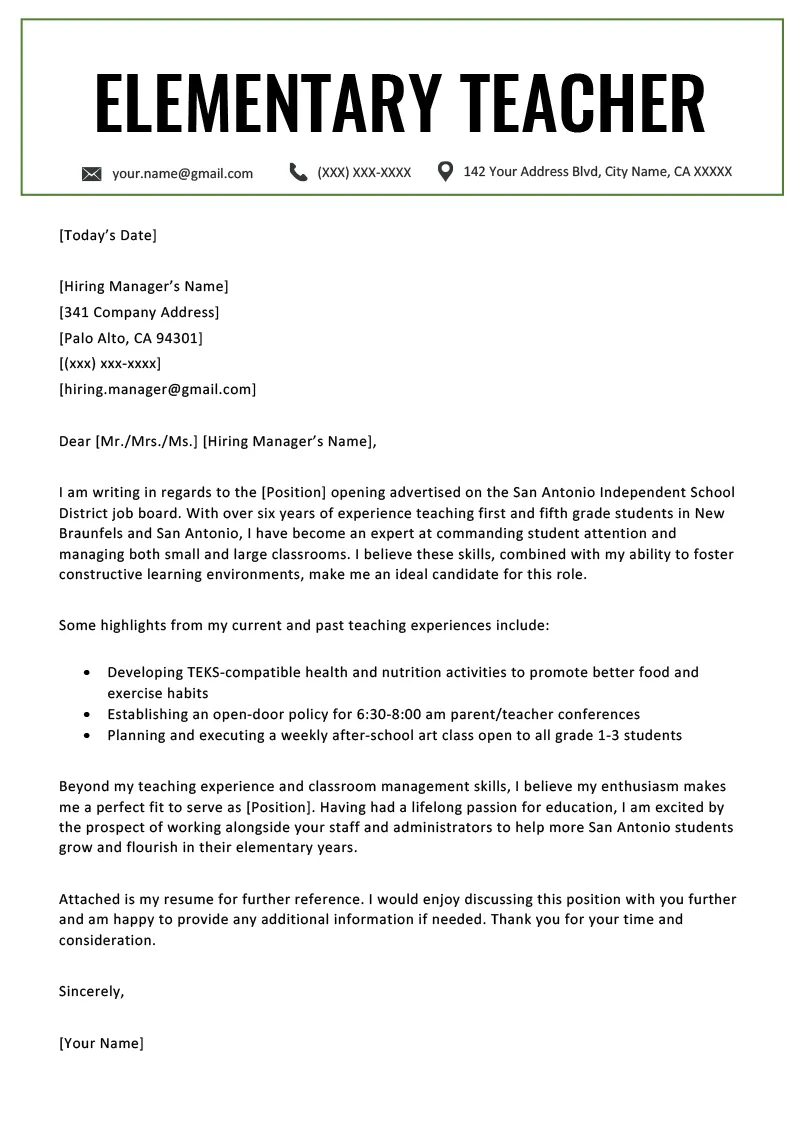
Your cover letter for a teaching position is your first impression. It’s your opportunity to showcase your personality, passion for education, and qualifications beyond what’s listed on your resume. A well-crafted cover letter can significantly increase your chances of landing an interview, setting you apart from other applicants and demonstrating your genuine interest in the role and the school. In today’s competitive job market, a strong cover letter is crucial for making a positive first impact and getting your foot in the door. Many hiring managers will prioritize candidates with compelling and personalized cover letters, seeing them as a sign of a candidate’s dedication and attention to detail.
Key Elements to Include in Your Cover Letter
Several key elements are essential for a successful teaching cover letter. These include clear and concise contact information, a personalized greeting, a compelling opening paragraph that grabs the reader’s attention, and detailed sections that highlight your qualifications, teaching philosophy, skills, and achievements. It’s also important to demonstrate your passion for education and tailor the letter to the specific school and position. Finally, ensure your letter includes a strong closing paragraph with a call to action and a professional closing and signature. Each element serves a distinct purpose in showcasing your suitability for the teaching role.
Your Contact Information and Date

Begin your cover letter with your contact information. This should be located at the top of the page. Include your full name, phone number, professional email address, and optionally, your LinkedIn profile URL. Following this, include the date of the letter. This information ensures the hiring manager can easily contact you. Ensure your email address is professional, and your phone number is current and checked regularly for voicemails. Accuracy here is paramount; a simple mistake can prevent you from being contacted for an interview.
Addressing the Hiring Manager
Personalize your cover letter by addressing the hiring manager or the principal by name. Research the school to find out the name of the person responsible for hiring; if you’re unable to find a name, use a general greeting like “Dear Hiring Committee” or “Dear Principal.” Avoid generic greetings such as “To Whom It May Concern,” which can make your letter feel impersonal. A personalized greeting shows that you’ve taken the time to research the school and position, demonstrating your genuine interest. This simple step can make a significant difference in the hiring manager’s initial impression of your application.
Opening Paragraph: Captivate the Reader
Your opening paragraph is crucial; it’s your chance to grab the reader’s attention immediately. Avoid generic statements. Instead, state the position you are applying for and express your enthusiasm. Briefly mention something specific that attracted you to the school or the position. Consider opening with a compelling anecdote, a statement about your teaching philosophy, or a brief mention of a significant achievement. The goal is to hook the reader and make them want to learn more about you. Be concise and enthusiastic, setting the tone for the rest of your letter. Make it clear why you are excited about this opportunity.
Highlighting Your Qualifications and Experience

Detail your relevant qualifications and experience. Briefly summarize your educational background, including any degrees, certifications, and specializations. Focus on experience that aligns with the job description, highlighting your accomplishments and the impact you’ve made in previous roles. Quantify your achievements whenever possible, such as the number of students you’ve taught, test score improvements, or successful projects you’ve led. This is your opportunity to showcase your value and demonstrate that you have the skills and knowledge to excel in the position. Use action verbs to make your experience sound dynamic and impactful. For example, instead of saying “I taught students,” say “I implemented differentiated instruction to engage diverse learners and improve test scores by 15%.”
Showcasing Your Teaching Philosophy
Articulate your teaching philosophy. This section is critical for demonstrating your approach to education. Describe your beliefs about teaching, learning, and student development. Explain how you create a positive and engaging learning environment. Mention your methods for fostering critical thinking, creativity, and collaboration. Relate your philosophy to the school’s mission or values if possible. This helps the hiring manager understand your teaching style and whether it aligns with the school’s culture. Be authentic and genuine; let your passion for teaching shine through. Focus on your core beliefs and how you create a supportive classroom environment.
Emphasizing Your Skills and Achievements
Highlight your skills and achievements. Go beyond simply listing your skills; provide examples of how you’ve used them to achieve positive outcomes. Mention specific achievements, such as successful lesson plans, innovative teaching strategies, or positive feedback from students and parents. If you have experience with educational technology, curriculum development, or special education, be sure to mention it. Quantify your accomplishments whenever possible. This helps demonstrate your impact and effectiveness as a teacher. Showing rather than telling makes your letter more persuasive. Emphasize skills that match the job description to demonstrate your ability to meet the school’s needs.
Mentioning Relevant Certifications and Licenses
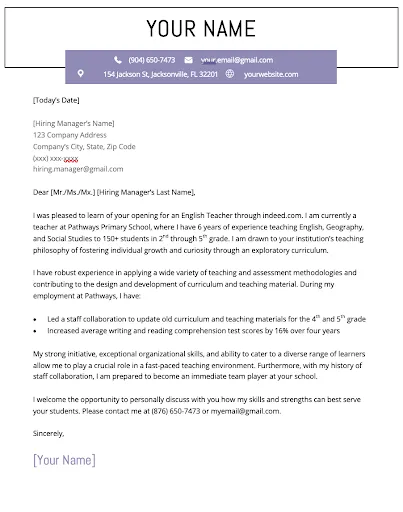
Clearly state your teaching certifications and licenses. Include the type of certification, the issuing state or organization, and the expiration date. If you are currently in the process of obtaining a certification, mention this and the anticipated completion date. Ensure that your certifications meet the requirements for the position and the state in which the school is located. This section is essential for demonstrating your eligibility to teach and assures the hiring manager that you meet the legal requirements. Verify that all the information is accurate and up to date.
Demonstrating Your Passion for Education
Show your passion for education. Describe why you love teaching and what motivates you to work with students. Share any experiences that have influenced your passion for education, such as volunteering, mentoring, or tutoring. Express your enthusiasm for working with children and helping them succeed. Show that you genuinely care about student success and well-being. Discuss how you stay updated on current educational trends and best practices. Demonstrating your passion can set you apart from other candidates and shows that you are deeply committed to the profession.
Tailoring Your Cover Letter to the School
Customize your cover letter for each school and position. Avoid using a generic cover letter; instead, personalize it to fit the specific school’s needs, values, and mission. Highlight the specific aspects of the school that attract you. Mention how your skills and experience align with their educational goals. Research the school’s website, mission statement, and any recent news or events. This shows that you have taken the time to understand the school and are genuinely interested in joining their community. Tailoring your cover letter significantly increases your chances of making a positive impression.
Researching the School and Its Values

Thoroughly research the school. Understand the school’s culture, educational philosophy, and any special programs or initiatives. Review their website, social media, and any available information about the school’s goals and values. Identify how your teaching style and experience align with these aspects. Mention specific examples of how you can contribute to the school’s mission. Demonstrating that you understand the school’s values shows your genuine interest and your ability to fit into the school’s community.
Customizing Your Letter to the Specific Position
Customize your letter to match the job description. Carefully read the job posting and identify the required skills, qualifications, and responsibilities. Highlight your experiences and skills that align with these requirements. Use the same keywords and terminology used in the job description. Make it clear how your qualifications meet the specific needs of the role. This targeted approach shows that you understand the position and can meet the demands of the job. Tailoring your letter significantly increases your chances of being selected for an interview.
Proofreading and Editing Your Cover Letter
Proofread and edit your cover letter meticulously. Check for any grammatical errors, spelling mistakes, and typos. Have a trusted friend, colleague, or family member review your letter. Ensure that the letter flows logically, and the tone is professional. Ensure that the formatting is consistent and easy to read. A polished and error-free cover letter reflects your attention to detail and professionalism. Errors can create a negative impression, while a carefully edited letter showcases your commitment to quality.
Ensuring Accuracy and Professionalism

Verify all information is accurate. Double-check the contact information, dates, and any details about your experience and qualifications. Maintain a professional tone throughout the letter. Use appropriate language, avoid slang, and maintain a formal style. Present yourself as a responsible and knowledgeable professional. This demonstrates your commitment to accuracy and professionalism and makes a positive impression on the hiring manager.
Using a Professional Tone
Use a professional tone. Write in a clear and concise manner. Avoid overly casual language, slang, and jargon. Maintain a respectful and formal tone throughout the letter. Use strong action verbs and avoid passive voice. Present yourself as a confident and capable candidate. Your tone creates the first impression, and a professional approach makes the hiring manager take you more seriously and be inclined to read further.
Formatting Your Cover Letter for Readability
Format your cover letter for readability. Use a standard font such as Times New Roman, Arial, or Calibri. Use a font size between 10 and 12 points. Use single-spacing within paragraphs and double-spacing between paragraphs. Use clear and concise paragraphs with headings to break up the text. Ensure that the letter is visually appealing and easy to read. Proper formatting makes your letter more accessible and helps the hiring manager quickly scan through the content to grasp the key information. The goal is to make it easy for the hiring manager to understand your qualifications.
Closing Paragraph: Call to Action

Conclude with a strong call to action. Restate your interest in the position and the school. Express your enthusiasm for an interview and reiterate your key qualifications. Include your contact information. Thank the hiring manager for their time and consideration. Make it clear that you look forward to hearing from them soon. A strong call to action prompts the hiring manager to take the next step in the hiring process.
Expressing Your Enthusiasm
Express your enthusiasm for the opportunity. Show your excitement for the position and the school. Mention specific aspects of the role or the school that appeal to you. Your enthusiasm indicates your genuine interest in the position. This helps the hiring manager see you as a proactive and engaged candidate.
Thanking the Hiring Manager
Thank the hiring manager for their time and consideration. Express your gratitude for the opportunity to apply. Keep the tone positive and respectful. Show your appreciation for their efforts in the hiring process. This gesture demonstrates your professionalism and courtesy.
Adding a Professional Closing and Signature

End with a professional closing and signature. Use a formal closing such as “Sincerely,” “Respectfully,” or “Best regards.” Type your full name below the closing. If you are submitting a printed cover letter, leave space for your handwritten signature above your typed name. Make sure your signature matches your name. This final step completes your cover letter with professionalism and shows your attention to detail, making it a strong and memorable application.