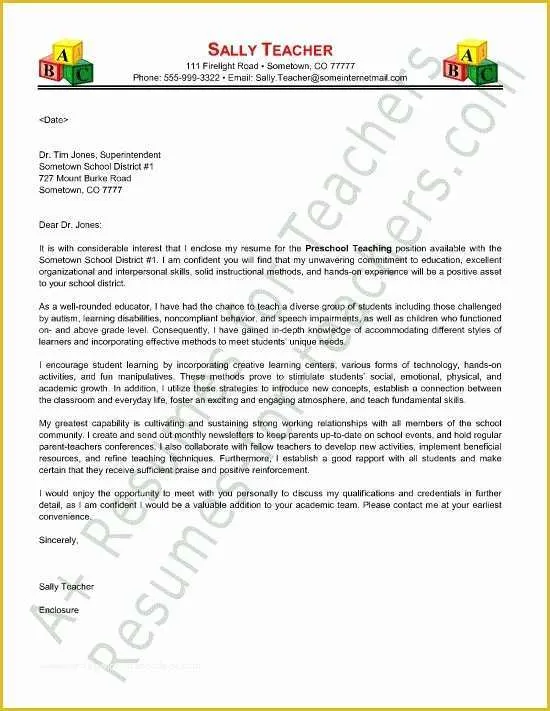
Crafting a Powerful Teacher Cover Letter
A teacher cover letter is more than just a formality; it’s your first impression on a potential employer. It’s your chance to showcase your personality, passion, and suitability for the role. In a competitive job market, a well-crafted cover letter can significantly increase your chances of securing an interview. This guide will walk you through the secrets of writing a standout teacher cover letter that grabs attention and highlights your unique qualifications. Remember to tailor each letter to the specific school and position, demonstrating your genuine interest and making you a memorable candidate. Taking the time to perfect this document can lead to rewarding opportunities in the field of education and help you stand out from the crowd.
Understanding the Purpose of a Cover Letter
The primary purpose of a teacher cover letter is to introduce yourself and your qualifications to a hiring manager. Unlike a resume, which provides a factual account of your experience, a cover letter allows you to tell a story. It’s your opportunity to explain why you are the best fit for the position, beyond what’s listed on your resume. It should convey your enthusiasm for the specific teaching role and school, demonstrating that you’ve researched the institution and understand its values. The best cover letters make a connection and make you memorable, proving you are not just qualified but the perfect match. Also, it’s a way to address any gaps in your resume or explain career changes in a positive light, providing context that a resume alone cannot offer, making you stand out.
Highlighting Your Key Skills and Experience

Your cover letter should explicitly highlight the skills and experiences that make you an exceptional teacher. Focus on the skills most relevant to the job description. If the school emphasizes differentiated instruction, be sure to highlight experiences where you’ve successfully implemented this approach. Use specific examples to illustrate your expertise. Instead of saying ‘I am good at classroom management,’ describe how you’ve created a positive and structured learning environment that minimizes disruptions and maximizes student engagement. Mention any specialized training or certifications you possess, such as experience with specific software. Focus on the experiences that align with the school’s needs, demonstrating you are a solution to their specific challenges. (Image: teacher-skills.webp)
Showcasing Your Passion for Teaching
Teaching is a profession that requires passion. Your cover letter should clearly communicate your love for teaching and your dedication to student success. Share a personal anecdote or a specific moment that ignited your passion for education. This could be a story about a student you helped or a project you are especially proud of. Explain why you are drawn to the specific school and its mission, highlighting what resonates with you and why you believe you will thrive in their environment. This authenticity will resonate with the hiring manager and set you apart from other candidates. Demonstrating genuine care for students and a commitment to fostering a positive learning atmosphere is crucial for any successful teacher, and your cover letter is your chance to show it. (Image: teacher-passion.webp)
Structuring Your Teacher Cover Letter
A well-structured cover letter is easy to read and professional. Use a clear format, breaking up the content into logical sections. Each section should serve a specific purpose and contribute to the overall impact of the letter. Following a standardized structure will help you stay organized and ensure you don’t miss any important details. This creates a positive first impression, and demonstrates that you are capable of adhering to clear and consistent standards of communication. Always use a professional font and maintain a consistent style throughout the document. Consider it an extension of your professional identity, carefully crafted to make a strong, favorable impression.
Header and Contact Information

Start your cover letter with a professional header that includes your name, address, phone number, and email address. Ensure that your email address is professional and appropriate for the context. Include the date and the hiring manager’s name and title, if known. If you don’t know the hiring manager’s name, research to find out, or use a general greeting like ‘Dear Hiring Committee’. Accurate and complete contact information is essential so that a potential employer can easily reach you. Also, proper formatting of the header shows attention to detail, so double-check the information is correct. A clear and concise header helps the hiring manager quickly identify and locate your contact details. (Image: teacher-cover-letter-header.webp)
Greeting the Hiring Manager
The greeting sets the tone for your entire cover letter. Address the hiring manager by name whenever possible. If you can’t find the hiring manager’s name, use a general greeting such as ‘Dear Hiring Committee,’ or ‘Dear [School Name] Hiring Team.’ Avoid generic greetings like ‘To Whom It May Concern,’ which can make your letter seem impersonal. Personalizing the greeting demonstrates that you’ve done your research and are genuinely interested in the position. This small detail can significantly impact the reader. If the job posting specifies a particular contact, always use that name to show you have carefully followed instructions, and understand the need for attention to detail.
The Body Paragraphs
The body paragraphs are the heart of your cover letter, where you showcase your skills, experience, and passion. The first paragraph should state the position you are applying for and where you found the posting. The next few paragraphs should highlight your relevant skills and experience, using specific examples to demonstrate your achievements. Tailor these paragraphs to the school’s needs, referring to their mission, values, or specific programs. The body should flow naturally, building a compelling narrative that captures the hiring manager’s attention. Keep the language concise, clear, and engaging, ensuring each paragraph works to convey your qualifications. Use active language and quantify your accomplishments whenever possible to highlight your value.
The Closing and Call to Action

Your closing paragraph should reiterate your interest in the position and express your enthusiasm for the opportunity. Thank the hiring manager for their time and consideration. Include a call to action, such as ‘I look forward to the opportunity to discuss my qualifications further in an interview.’ Provide your contact information once more, so they can easily reach you. Proofread the entire letter to ensure there are no errors. The closing section should leave a positive and lasting impression, making it clear that you are a motivated and qualified candidate. A strong closing, combined with a clear call to action, encourages the hiring manager to take the next step and contact you.
Adding Impactful Content
To truly stand out, your cover letter needs to go beyond simply listing your qualifications. Focus on how you can contribute to the school’s success. Tailor the content to the specific requirements and values of the institution. Demonstrate how your skills and experiences align with their mission and goals, showing you are more than just qualified but a perfect fit. The best letters incorporate impactful content that clearly articulates your value to the school. Using action verbs, quantifying your achievements, and avoiding generic statements all contribute to a compelling narrative.
Tailoring Your Letter to the School
Never send a generic cover letter. Take the time to research the school and tailor your letter to their specific needs and values. Visit their website, read their mission statement, and understand their educational philosophy. Mention specific programs, initiatives, or values that resonate with you. This shows that you have done your homework and are genuinely interested in working at that particular school. Mention specific teachers that you have worked with, or admire. By demonstrating this knowledge and a clear understanding of the school’s culture, you show the hiring manager that you are not simply applying for any job, but that you have a genuine interest in that school. The more effort you put into tailoring your letter, the higher your chances of getting noticed.
Using Action Verbs and Strong Language

Use strong action verbs to make your cover letter more engaging and dynamic. Instead of saying ‘I was responsible for,’ use verbs like ‘Implemented,’ ‘Developed,’ ‘Managed,’ or ‘Led.’ This shows you’re proactive and results-oriented. The impact of each sentence increases significantly, showing you are not just capable, but you take initiative. Avoid passive language and weak phrases, which make you seem less confident. Choose your words carefully to highlight your accomplishments and skills effectively. Strong, active language keeps the reader engaged and helps you make a memorable impression. Your cover letter will be seen more positively if you demonstrate professionalism from the beginning.
Quantifying Your Achievements
Whenever possible, quantify your achievements to demonstrate the impact you have made. Instead of saying ‘Improved student test scores,’ state ‘Increased student test scores by 15% in one year.’ Use numbers and data to provide concrete evidence of your accomplishments. If you implemented a new teaching strategy, mention how it affected student engagement or learning outcomes. Adding numbers makes your claims more credible. Quantifiable results make your accomplishments more convincing, and they provide tangible evidence of your effectiveness as a teacher. This helps the hiring manager to understand the concrete benefits you will bring to their school, making you an exceptionally appealing candidate. (Image: teacher-achievements.webp)
Avoiding Common Mistakes
Even a well-written cover letter can be undermined by simple mistakes. Avoiding common pitfalls will improve your chances of making a positive first impression. Attention to detail is paramount, and proofreading is a must. Be sure to stay focused on the employer’s needs, and show genuine interest in the position. Avoid these common mistakes to ensure your application stands out for all the right reasons and demonstrates professionalism.
Generic or Vague Statements

Avoid generic or vague statements that could apply to any candidate. For example, instead of saying ‘I am a hard worker,’ provide specific examples that show your work ethic. Instead of saying ‘I am passionate about teaching,’ share a specific experience that illustrates your passion. The key is to show, not just tell. Make sure your statements are clear and avoid using buzzwords or clichés that don’t add value. Generic phrases will not get you noticed in the highly competitive field of teaching. Showing your accomplishments, your dedication, and your excitement is key to landing the job.
Typos and Grammatical Errors
Typos and grammatical errors are a major red flag and can make you look careless and unprofessional. Proofread your cover letter multiple times. Use spell-check and grammar-check tools, but don’t rely on them completely. Have a friend or colleague review your letter for errors. A polished letter shows attention to detail, which is essential for a teacher. Carefully checking and editing your document is an investment of time and effort to show you take the role seriously. Make a good first impression with your immaculate attention to detail and make yourself look like the best possible candidate. (Image: teacher-cover-letter-mistakes.webp)
Focusing on Yourself Too Much
While your cover letter is about you, it should primarily focus on how you can meet the school’s needs and contribute to their mission. Tailor your letter to the school’s specific requirements and show how your skills and experience align with their goals. Highlight what you can offer the school, rather than simply listing your qualifications. Be sure to mention your achievements and your unique value proposition. Remember, the goal is to convince the hiring manager that you are the best candidate for their specific needs. Framing your letter to be school-centric, rather than about yourself, will show you truly understand the value you will bring to the school.
Formatting and Presentation

The formatting and presentation of your cover letter are just as important as its content. A well-formatted letter is easy to read and professional. Good formatting increases the readability, ensuring the hiring manager can quickly and easily grasp your qualifications and your value as a candidate. Choosing an appropriate font, maintaining a readable length, and ensuring a clean layout are all key to making a positive impression. Making sure your letter is easily navigable will increase your likelihood of being selected for an interview, and the job. A well-formatted letter shows attention to detail and demonstrates respect for the hiring manager’s time.
Font and Font Size
Choose a professional font, such as Times New Roman, Arial, or Calibri. Use a font size between 11 and 12 points to ensure readability. Make sure the font is consistent throughout the document. Avoid using unusual or overly decorative fonts, which can distract from the content. A clear and easy-to-read font will ensure that your letter is easy on the eyes, making a favorable impression on the reader. Selecting a standard font demonstrates professionalism and consideration for the reader’s experience.
Length of the Cover Letter
Keep your cover letter concise and to the point. Aim for one page, or no more than one and a half pages. Hiring managers are busy, so they may not have time to read a lengthy letter. Focus on the most relevant information and avoid unnecessary details. A short, targeted cover letter is more likely to be read in its entirety. Being concise shows that you respect the hiring manager’s time and can communicate effectively. If the letter exceeds the limit, remove anything that isn’t essential or tailored. A short, concise letter also gives an impression of focus.
Proofreading and Editing
Proofread and edit your cover letter carefully before submitting it. Check for typos, grammatical errors, and formatting inconsistencies. Have someone else review your letter to catch any mistakes you might have missed. A polished, error-free cover letter demonstrates your professionalism and attention to detail. Proofreading is a crucial step in the writing process. A well-written, carefully proofread cover letter can make a lasting impression and significantly increase your chances of landing an interview. Always review the final copy to make sure it’s perfect and ready to submit, and consider it to be one of your most important selling tools. (Image: teacher-cover-letter-formatting.webp)