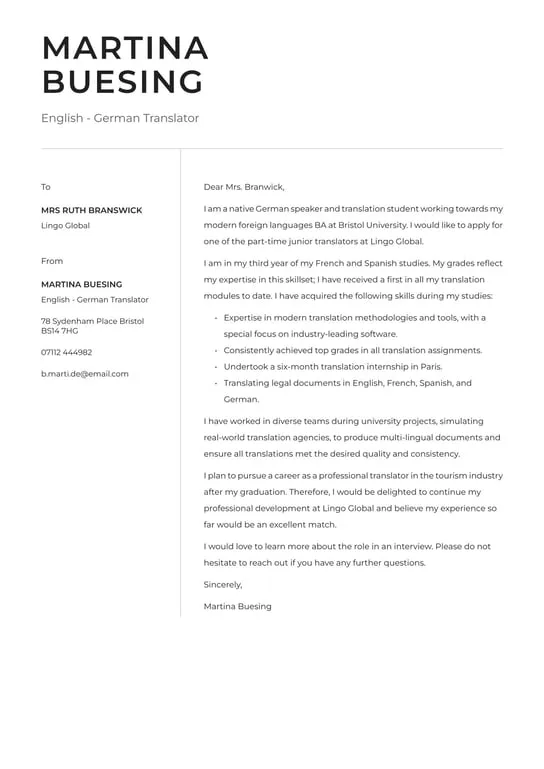
Crafting a Student Cover Letter Overview
A well-crafted cover letter is a crucial element of your job application package, especially when you’re a student. It offers you the opportunity to go beyond your resume, allowing you to showcase your personality, enthusiasm, and the specific skills and experiences that make you a strong candidate. This guide will walk you through every step of creating a winning cover letter that will impress potential employers and increase your chances of landing an interview. From understanding its purpose to formatting and submitting it, this comprehensive guide provides all the necessary tools and information to help you stand out from the competition and make a memorable first impression. Mastering the art of cover letter writing can significantly boost your job search success, helping you secure internships, part-time jobs, and entry-level positions that align with your career aspirations. This overview will set the stage for a successful job application.
Understanding the Purpose of a Student Cover Letter
The primary goal of a cover letter is to introduce yourself to the hiring manager and persuade them to read your resume. It’s your chance to highlight why you’re a good fit for the role and the company, going beyond the basic information listed on your resume. For students, a cover letter is particularly valuable as it provides an opportunity to explain any gaps in your work experience, such as limited professional experience, and to demonstrate how your academic achievements, coursework, and extracurricular activities have equipped you with the necessary skills. It also lets you express your genuine interest in the company and the specific position. By clearly articulating your motivations and qualifications, you can make a compelling case for why you deserve an interview, setting yourself apart from other applicants and showcasing your unique value proposition.
Highlighting Your Skills and Experiences

One of the most crucial aspects of a cover letter is effectively showcasing your skills and experiences, even if you have limited professional experience. Identify the key skills that the employer is looking for in the job description, such as communication, teamwork, problem-solving, or specific technical skills. Then, provide concrete examples from your academic projects, extracurricular activities, volunteer work, or any part-time jobs where you’ve demonstrated these skills. Use the STAR method (Situation, Task, Action, Result) to describe your accomplishments and how you used your skills to achieve positive outcomes. Quantify your achievements whenever possible by providing specific metrics or data to demonstrate the impact of your contributions. Tailor your examples to the specific job requirements and the company’s values to show that you’re a good fit.
Showcasing Relevant Coursework and Projects
As a student, your coursework and academic projects are valuable experiences that can be highlighted in your cover letter. Identify courses and projects that align with the job requirements and describe them briefly, emphasizing the skills and knowledge you gained. For example, if you’re applying for a software engineering internship, mention relevant programming courses or projects, such as developing a mobile app or contributing to open-source projects. Highlight the technologies you used, the problems you solved, and the results you achieved. Similarly, showcase any group projects, emphasizing your teamwork, communication, and leadership skills. Including relevant academic experiences demonstrates your proactive approach to learning and your ability to apply your knowledge to real-world scenarios, making you a more attractive candidate, even with limited professional experience.
Tailoring Your Cover Letter to the Job
A generic cover letter sent to multiple employers is unlikely to make a strong impression. To increase your chances of success, tailor your cover letter to each specific job application. Carefully review the job description and identify the key skills, experiences, and qualifications the employer is seeking. Then, customize your cover letter to address those requirements directly. Use keywords from the job description and provide examples that demonstrate your relevant skills and experiences. Research the company and mention specific aspects that resonate with you and your career goals. By demonstrating that you understand the job and the company’s needs, you’ll show the hiring manager that you’ve taken the time to learn about the position and that you’re genuinely interested in the opportunity.
Researching the Company and Job Description

Thorough research is essential for writing an effective cover letter. Before you start writing, take the time to research the company you’re applying to. Visit their website, read their mission statement, and learn about their products, services, and culture. Check out their social media presence to gain insights into their values and recent activities. Understand the job description inside and out. Identify the key responsibilities, required skills, and qualifications. Highlight how your skills and experiences align with the job requirements and demonstrate that you understand the role’s demands. This research helps you tailor your cover letter to the specific needs of the company and the position, showing the hiring manager that you have taken the initiative to understand the opportunity and are a good fit.
Structuring Your Student Cover Letter
A well-structured cover letter is easy to read and conveys your message effectively. Begin with a professional heading that includes your contact information and the date. Then, address the hiring manager by name, if possible; otherwise, use a general salutation like ‘Dear Hiring Manager.’ The cover letter typically consists of three to four paragraphs. The opening paragraph should state the position you’re applying for and where you found the job posting, and grab the reader’s attention. The body paragraphs should highlight your relevant skills, experiences, and qualifications, providing specific examples. The closing paragraph should summarize your interest, reiterate your enthusiasm, and include a call to action, such as requesting an interview. Maintain a clear and concise writing style with a professional tone throughout the letter.
Writing a Strong Opening
The opening paragraph is your first chance to capture the hiring manager’s attention. It should immediately state the position you’re applying for and where you found the job posting. Then, write a hook to grab the reader’s interest. This could be a brief statement of your enthusiasm for the role or the company. Or a sentence that highlights a relevant skill or experience. The goal is to make a strong first impression and encourage the hiring manager to continue reading. Avoid generic phrases like ‘I am writing to express my interest.’ Instead, be specific and enthusiastic. For example, “I am excited to apply for the Marketing Intern position at [Company Name], as advertised on [Platform Name], as I believe my passion for social media and data analysis aligns perfectly with your company’s innovative approach to marketing.”
Developing Your Body Paragraphs

The body paragraphs are the core of your cover letter. Use them to showcase your relevant skills, experiences, and qualifications. Break down your content into manageable sections. Focus on a few key points and support them with specific examples from your academic projects, extracurricular activities, volunteer work, or any past employment. Use the STAR method (Situation, Task, Action, Result) to describe your accomplishments. For example, “In my role as Social Media Coordinator for the University’s Marketing Club, I increased followers by 30% in six months by developing a targeted content strategy and leveraging analytics to optimize posts.” Quantify your achievements to demonstrate the impact of your contributions. Tailor your examples to the job requirements and the company’s values to show the hiring manager that you are a good fit for the company and role.
Emphasizing Your Enthusiasm and Fit
Your cover letter should convey your enthusiasm for the role and the company. Show that you’ve done your research and understand what makes the company special. Mention specific aspects of the company’s mission, values, or culture that resonate with you. Explain why you are genuinely interested in the opportunity. For example, if the company is known for its innovative culture, mention how you thrive in a fast-paced environment. Connect your skills and experiences to the job requirements and explain how you will contribute to the company’s success. Demonstrate that you are not just looking for a job but are passionate about the company and the specific role. This will make you stand out from other applicants and increase your chances of landing an interview.
Creating a Powerful Closing
The closing paragraph is your final opportunity to leave a lasting impression. Summarize your interest in the position, reiterate your enthusiasm for the opportunity, and thank the hiring manager for their time and consideration. Include a call to action, such as requesting an interview. This encourages the hiring manager to take the next step. Be confident and professional in your closing. For example, “Thank you for considering my application. I am eager to learn more about the Marketing Intern position and discuss how my skills and experiences can contribute to [Company Name]. I am available for an interview at your earliest convenience.”
Proofreading and Editing Your Cover Letter

Before submitting your cover letter, proofread and edit it carefully. Spelling and grammar errors can damage your credibility. Read the cover letter multiple times, checking for typos, grammatical errors, and awkward phrasing. Consider using grammar and spell-check tools, but don’t rely on them completely. Ask a friend, family member, or career advisor to review your cover letter and provide feedback. They can catch mistakes you might have missed and offer valuable suggestions for improvement. Ensure that your cover letter is clear, concise, and easy to read. A polished cover letter demonstrates your attention to detail and professionalism, increasing your chances of making a positive impression.
Common Mistakes to Avoid in Student Cover Letters
Avoid common mistakes that can hurt your application. Do not use generic cover letters. Customize each letter to the specific job and company. Avoid grammatical errors and typos. Use a professional tone and avoid slang or informal language. Do not simply repeat your resume. Instead, use the cover letter to elaborate on your skills and experiences and to show your personality. Do not make the cover letter too long; keep it concise and to the point. Avoid negative statements, such as criticizing previous employers or focusing on what you lack. Ensure your cover letter is well-formatted and easy to read.
Formatting Your Student Cover Letter
A well-formatted cover letter is easy to read and presents a professional image. Use a standard font, such as Times New Roman, Arial, or Calibri, in a size between 10 and 12 points. Use single-spacing with a space between paragraphs. Left-align your text and avoid excessive formatting or colors. Include your contact information at the top, followed by the date, and the hiring manager’s contact information. Make sure your cover letter fits on one page. Use clear headings to organize your content. Maintaining a professional and consistent format demonstrates your attention to detail and professionalism.
Utilizing Action Verbs

Action verbs make your cover letter more dynamic and engaging. Instead of using passive language, use strong action verbs to describe your skills and accomplishments. For example, instead of writing, “Responsible for managing social media accounts,” write, “Managed social media accounts, increasing engagement by 20%.” Action verbs make your cover letter more compelling and help you demonstrate what you accomplished in past roles. Examples of strong action verbs include created, developed, managed, implemented, led, improved, and achieved. Using a variety of action verbs can also improve the readability and impact of your cover letter.
Cover Letter Examples for Student Resume
Reviewing cover letter examples can give you a better understanding of how to structure and write your own. Look for examples tailored to your field of study or the type of job you are applying for. Pay attention to the language used, the way the applicant highlights their skills and experiences, and how they express their enthusiasm for the role. Adapt the examples to fit your own circumstances. Remember that the best cover letter is one that is personalized and reflects your unique strengths and qualifications. Use these examples as a guide to inspire your writing and to ensure your cover letter is tailored to the specific requirements of the job.
Cover Letter Template for Students
A template can help you create a cover letter quickly and easily. There are many cover letter templates available online, specifically designed for students. A good template will provide a basic structure and suggest what information to include in each section. However, remember to customize the template to reflect your unique skills, experiences, and the specific job requirements. A template will provide you with a solid base to build your cover letter, ensuring that you include all the necessary elements. However, it’s crucial to tailor the template to your individual needs and the specific job you are applying for, rather than using a generic template that does not represent your qualifications effectively.
Submitting Your Student Cover Letter

When submitting your cover letter, follow the instructions provided in the job posting. Usually, you’ll attach your cover letter and resume as separate documents. If the job posting specifies a particular format, such as a PDF, be sure to follow those instructions. Always double-check that you are sending the correct version of your cover letter and resume. Consider saving your documents with a clear filename, such as “Your Name_Cover Letter” and “Your Name_Resume.” Sending your application with professionalism demonstrates your attention to detail and increases your chances of making a positive impression on the hiring manager.