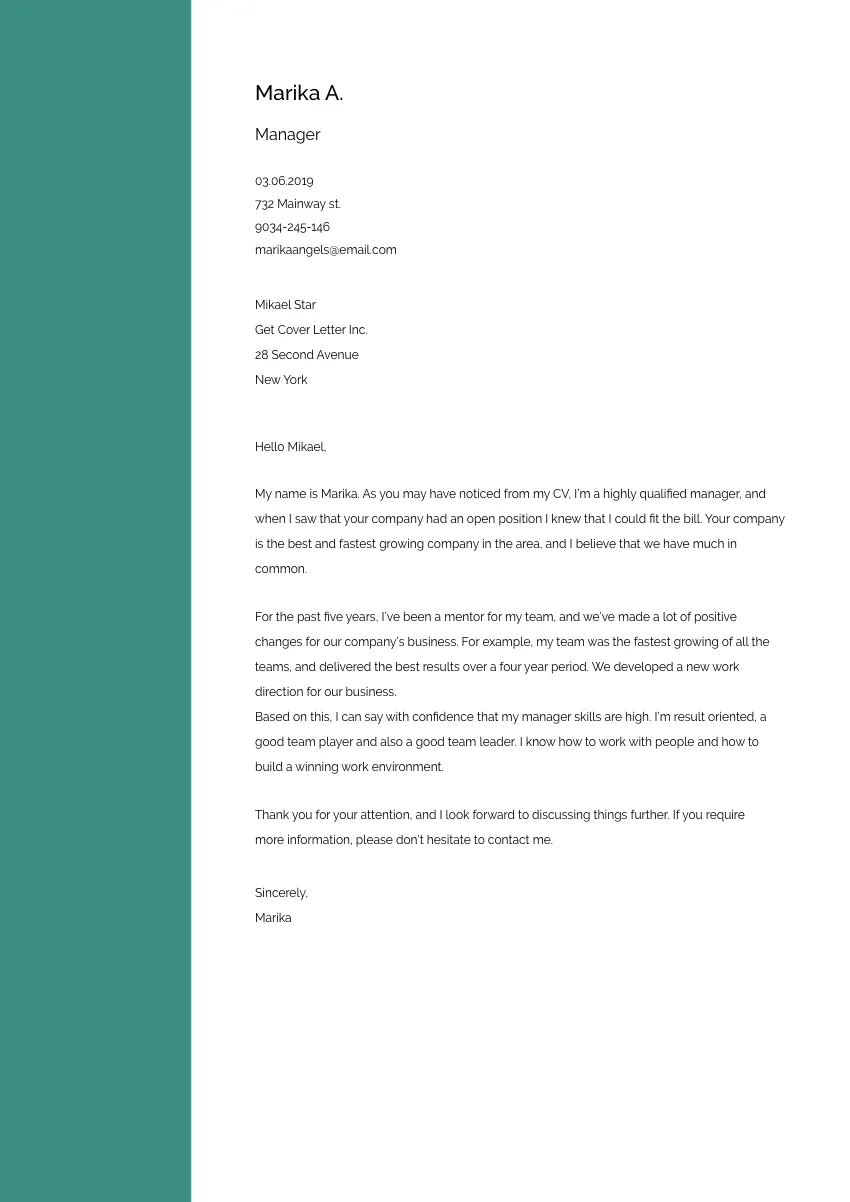
The Importance of a Social Worker Cover Letter
In the competitive field of social work, a well-crafted cover letter is not just an optional addition to your application; it is a fundamental tool that can significantly improve your chances of securing an interview. It serves as your initial introduction to a potential employer, offering a unique opportunity to showcase your personality, passion for social work, and the relevant skills that extend beyond the confines of your resume. A strong cover letter demonstrates your understanding of the specific job requirements and allows you to articulate why you are the perfect fit for the role. By highlighting your unique qualifications and expressing your genuine interest in both the position and the organization, you can create a memorable first impression and differentiate yourself from other applicants. A cover letter is the key to landing the job.
Understanding the Basics of a Cover Letter
Why Cover Letters Matter

Cover letters are essential because they offer a dedicated, personalized space for direct communication with the hiring manager. They are your opportunity to exhibit genuine interest in the role and showcase the qualities that make you stand out. A well-written cover letter adds context to your resume and allows you to expand on experiences and skills that perfectly align with the job requirements. Moreover, cover letters offer a glimpse of your communication style and writing abilities, both of which are critical in social work, where clear and compassionate communication is paramount. The cover letter is also an opportunity to explain any gaps in your work history or to address specific needs that the organization has. Remember, the cover letter is important for the entire application process.
Key Components of a Cover Letter
A compelling cover letter generally consists of a header containing your contact information, a professional salutation, an engaging opening paragraph, detailed body paragraphs highlighting relevant experience and skills, and a strong closing paragraph that incorporates a call to action. Each element should be carefully written to reflect your personality and demonstrate your qualifications. The overall tone should be professional, enthusiastic, and tailored to the specific job and organization. By addressing these key components, you can craft a cover letter that effectively communicates your value as a social worker. The components are the core of the letter.
Crafting a Compelling Cover Letter
Header and Contact Information

Begin your cover letter with a professional header that includes your full name, address, phone number, and email address. Use a clear, easy-to-read font to ensure that the information is easily accessible. Make sure your email address is professional. Avoid using nicknames or informal addresses. If you have a LinkedIn profile, include the URL in the header. The header should be formatted consistently with your resume to establish professionalism from the start. Making a great first impression will help you get the job. Here is a sample image to help you get started: [https://example.com/social-worker-cover-letter-header.webp]
The Salutation
Always address your cover letter to a specific person whenever possible. Do some research to find the hiring manager’s name and use it in your salutation; for instance, “Dear Ms. Smith.” This shows that you have taken the initiative to learn about the organization and demonstrate your genuine interest in the position. If you are unable to find the hiring manager’s name, use a professional alternative, such as “Dear Hiring Manager” or “Dear [Department Name] Team.” It is best to avoid generic salutations like “To Whom It May Concern.” This extra step will help you show your expertise.
The Opening Paragraph
Your opening paragraph should immediately grab the reader’s attention. Clearly state the position you are applying for and where you found the job posting. Briefly mention why you are interested in the role and the organization. Highlight a key skill or experience that makes you stand out from the crowd. The opening paragraph sets the tone for the rest of your cover letter. It demonstrates your enthusiasm and provides a compelling reason for the hiring manager to continue reading. Make a great first impression here, as this is essential for getting the job.
Highlighting Skills and Experience

The body of your cover letter should detail your relevant experience and skills. Carefully review the job description and identify the key requirements. Provide specific examples from your work history that demonstrate your ability to meet those requirements. Utilize the STAR method (Situation, Task, Action, Result) to provide concrete examples of how you have successfully handled challenges and achieved positive outcomes in your previous roles. Focus on showcasing your qualifications in the most impactful way. This is the perfect place to show your skills as a social worker. The skills are what will help you get the job.
Quantifying Achievements
Whenever possible, quantify your achievements. Use numbers and data to demonstrate the impact of your work. For example, instead of saying “Improved client outcomes,” you could say “Improved client outcomes by 15% through the implementation of a new therapeutic approach.” This adds credibility to your claims and provides concrete evidence of your abilities. Quantifiable achievements make a stronger impression and showcase your ability to deliver results. Always add data to your accomplishments to make them pop.
Tailoring to the Job Description
Tailor your cover letter to each job description. Avoid using a generic template. Customize your letter to align with the specific requirements and preferences of the hiring organization. Use keywords and phrases from the job description to show that you understand the needs of the role and that you can meet them. This attention to detail demonstrates your genuine interest in the position and significantly increases your chances of success. This step is extremely important to show that you are a good fit for the job. Make sure you get this part right.
Addressing Specific Needs

Use your cover letter to address any specific needs or requirements mentioned in the job description. If the role requires experience in a particular area, highlight your relevant expertise. If the organization emphasizes a specific value or mission, demonstrate how your values align with theirs. This tailored approach shows that you have taken the time to understand the organization’s needs and that you are well-suited to meet them. In addition, addressing specific needs will give you a considerable advantage when applying for the role.
The Closing Paragraph
In your closing paragraph, express your enthusiasm for the opportunity and reiterate your interest in the position. Thank the hiring manager for their time and consideration. Keep your closing brief and professional. Avoid clichés or overly casual language. The closing paragraph provides a final opportunity to make a positive impression and to reinforce your qualifications and enthusiasm. The closing is a great opportunity to demonstrate that you are excited about the role and the company. Here is another image of a social worker on the job: [https://example.com/social-worker-career.webp].
Call to Action
Include a clear call to action in your closing paragraph. Specifically, request an interview. For example, you could say, “I am eager to discuss my qualifications in more detail and would welcome the opportunity to interview for this position.” This shows that you are proactive and interested in moving forward in the hiring process. A strong call to action encourages the hiring manager to take the next step and consider your application further. Make sure you get the call to action right.
Proofreading and Formatting

Before submitting your cover letter, carefully proofread it for any grammatical errors, spelling mistakes, or typos. These errors can detract from your professionalism and create a negative impression. Use a clear, easy-to-read font, and ensure consistent formatting throughout your letter. Pay attention to the layout, including margins and spacing. Consider having a friend or colleague review your cover letter for a fresh perspective. Proofreading and proper formatting are essential to ensure that your cover letter is polished and professional. Make sure it is perfect to demonstrate your abilities. Here is an image to help with formatting: [https://example.com/social-work-formatting.webp]
Essential Tips for Your Social Worker Cover Letter
Focusing on Relevant Experience
When writing your cover letter, focus on the experiences that are most relevant to the social worker position you are applying for. Tailor your letter to the specific requirements outlined in the job description. Highlight the skills and accomplishments that align with the role’s responsibilities. Be sure to show all the experiences that apply and that you have done successfully. Always show why you will be a great hire. This will help you stand out from the crowd.
Showcasing Empathy and Compassion

Social work is a profession that inherently requires empathy and compassion. Use your cover letter to showcase these essential qualities. Share specific examples of how you have demonstrated empathy in your previous roles, such as how you provided support to clients. Show how you have effectively navigated difficult situations with compassion and understanding. Use language that reflects your genuine care for the individuals and communities you have served. Here is a great example of how empathy works: [https://example.com/social-worker-empathy.webp]
Demonstrating Knowledge of Social Work Principles
Demonstrate your understanding of the core principles of social work, such as social justice, client empowerment, and cultural competence. Mention how you apply these principles in your work. Demonstrate how you advocate for clients and uphold their rights. Show how you adhere to ethical standards. Highlighting these principles is a testament to your commitment to the field and enhances the quality of your cover letter. Here is a great example of the principles: [https://example.com/social-work-principles.webp]
Using Action Verbs
Use action verbs to describe your accomplishments and responsibilities. Instead of saying “Responsible for assisting clients,” say “Assisted clients” or “Managed client cases.” Action verbs make your cover letter more dynamic and engaging. They also help to highlight your skills and experience in a clear and concise manner. Use action verbs throughout to keep the hiring manager engaged. Here is a visual to help with action verbs: [https://example.com/social-work-action-verbs.webp]
Adapting to Different Settings

Social workers often work in diverse settings, from hospitals and schools to community centers and government agencies. Tailor your cover letter to the specific setting of the job you are applying for. Highlight your experience and skills that align with the requirements of that setting. This shows that you understand the context of the job and that you are well-suited for the specific role. Adapt to different scenarios to show how prepared you are for the job.