
Crafting a Compelling Retail Assistant Manager Cover Letter
A well-crafted cover letter is your first opportunity to make a strong impression on a potential employer. For a retail assistant manager position, your cover letter is crucial. It’s not just a formality; it’s a chance to showcase your skills, experience, and enthusiasm for the role. This guide will walk you through the essential steps to create a cover letter that grabs the hiring manager’s attention and increases your chances of landing an interview. By following these tips, you can transform your cover letter from a simple document into a powerful tool that sets you apart from the competition.
Understanding the Purpose of Your Cover Letter
The primary purpose of your cover letter is to introduce yourself and highlight why you are the perfect fit for the retail assistant manager position. It should complement your resume by providing context and depth to your qualifications. A cover letter allows you to explain your career goals, express your passion for the retail industry, and demonstrate your understanding of the company’s needs. Unlike your resume, a cover letter gives you the opportunity to tell your story, demonstrating your personality and communication skills. This is where you can truly convince the hiring manager that you are not just qualified, but also a great cultural fit for their team. Remember, your cover letter is a marketing document; you’re selling yourself as the ideal candidate.
Highlighting Your Relevant Retail Experience

Your retail experience is the cornerstone of your application. In your cover letter, focus on the experiences that are most relevant to the assistant manager role. This means emphasizing your involvement in key areas such as sales, customer service, inventory management, and team leadership. Provide specific examples of how you have contributed to the success of previous employers. Describe your responsibilities and the results you achieved in each role. Show the hiring manager that you have the skills and experience necessary to excel in this position. Mention previous roles, such as sales associate, supervisor, or team lead, that have prepared you for the responsibilities of an assistant manager.
Quantifying Your Achievements in Previous Roles
Instead of simply listing your responsibilities, quantify your achievements whenever possible. This adds credibility and impact to your cover letter. Use numbers, percentages, and specific data to demonstrate your success in previous roles. For example, instead of saying “Increased sales,” state “Increased sales by 15% in Q2 through effective upselling and team training.” Or, instead of saying “Managed inventory,” you might say “Reduced inventory shrinkage by 10% through improved loss prevention strategies.” Quantifiable results make your accomplishments more tangible and show the hiring manager the value you bring to the table. These results also show how your actions made a positive impact on the retail business you served.
Demonstrating Leadership and Management Skills
The role of an assistant manager involves significant leadership and management responsibilities. Your cover letter should highlight your ability to lead and motivate a team. Describe any experience you have in supervising employees, delegating tasks, resolving conflicts, and providing performance feedback. Illustrate your understanding of employee training and development. Showcase examples of how you have fostered a positive and productive work environment. Even if you haven’t held a formal management title, you can demonstrate leadership through examples of how you’ve mentored colleagues or taken initiative to improve team performance. The ideal candidate can step up and assist in running a department, or even the entire store, as needed.
Showcasing Your Customer Service Expertise

Exceptional customer service is a critical aspect of any retail assistant manager role. In your cover letter, highlight your ability to provide outstanding customer service. Provide examples of how you have handled customer complaints, resolved issues, and built rapport with customers. Emphasize your communication skills, your ability to actively listen, and your commitment to exceeding customer expectations. Mention any training or certifications you have in customer service. Demonstrating your understanding of customer service principles will greatly enhance your application. Always mention positive outcomes in previous positions as they relate to great customer service and overall client satisfaction.
Tailoring Your Cover Letter to the Specific Job
Generic cover letters are easily recognizable and often get overlooked. Customize each cover letter to the specific job and company you are applying to. Carefully review the job description and identify the key skills and qualifications the employer is seeking. Then, tailor your cover letter to address those requirements directly. Use the same keywords and phrases that are used in the job description. Make sure to highlight the most relevant aspects of your experience and skills. By showing the hiring manager that you understand their specific needs and have the qualifications to meet them, you’ll significantly increase your chances of being selected for an interview.
Researching the Company and Its Values
Before you write your cover letter, research the company you are applying to. Understand their mission, values, and target market. Visit their website, read their social media pages, and look for news articles or press releases. This research will help you tailor your cover letter to the company’s culture and demonstrate your genuine interest in the position. In your cover letter, mention specific aspects of the company that appeal to you or align with your own values. This shows that you’ve done your homework and are genuinely interested in the opportunity. For example, if the company emphasizes sustainability, highlight any experience you have with eco-friendly practices.
Addressing the Hiring Manager

Whenever possible, address your cover letter to a specific person, such as the hiring manager or the store manager. This shows that you’ve taken the time to find out who will be reading your application. If you can’t find a specific name, use a professional greeting, such as “Dear Hiring Manager.” Avoid generic greetings like “To Whom It May Concern.” You can often find the hiring manager’s name on the company’s website, LinkedIn, or by calling the store and asking. Addressing the letter to a specific individual adds a personal touch that can make your application stand out. If there is no name available, reach out to the company’s HR department and ask.
Structuring Your Cover Letter for Maximum Impact
A well-structured cover letter is easy to read and makes a strong impression. Use a clear and professional format, with an introduction, body paragraphs, and a conclusion. Organize your content logically, with each paragraph focusing on a specific point. Use headings and subheadings to break up the text and make it easier to scan. The structure is critical to ensure the reader is able to find all of the information needed. This structure also allows the reader to go back and look at a certain section again. A good structure also provides a professional image, showcasing your organization and attention to detail.
Formatting Your Cover Letter Professionally
Choose a professional and easy-to-read font, such as Times New Roman, Arial, or Calibri. Use a font size between 10 and 12 points. Ensure your letter has standard margins (1 inch on all sides) and single-space your text. Avoid excessive use of bolding, italics, or underlining. Keep your cover letter to one page in length, unless otherwise specified. Proofread your cover letter carefully to ensure that it is free of grammatical errors and typos. Finally, save your cover letter as a PDF file before submitting it to ensure that the formatting remains consistent regardless of the recipient’s software. A clean format provides a good image of your professionalism, while making it easy for the reader to read and take in the information.
Writing a Strong Opening Paragraph
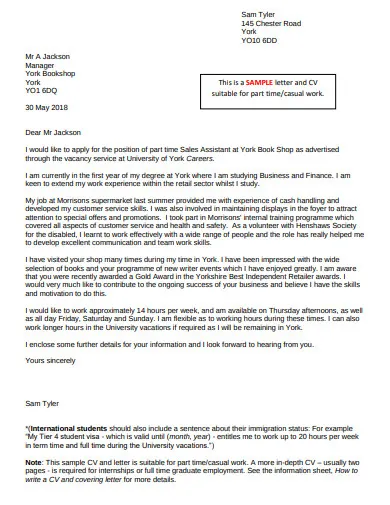
Your opening paragraph is your chance to grab the reader’s attention. Start with a strong statement that immediately indicates why you are writing and what position you are applying for. Briefly mention how you learned about the opportunity and why you are interested in the company. This opening paragraph should create a positive impression and set the tone for the rest of the letter. Be direct and concise, clearly stating your purpose. Show your enthusiasm for the role and the company. Mentioning where you saw the job posting is also recommended. Consider starting with a statement, such as, “I am writing to express my keen interest in the Assistant Manager position at [Company Name], as advertised on [Platform].”
Developing Engaging Body Paragraphs
The body paragraphs are where you showcase your skills and experience in detail. Each paragraph should focus on a specific aspect of your qualifications and provide relevant examples. Use the STAR method (Situation, Task, Action, Result) to structure your examples and show the impact of your actions. Be specific and provide quantifiable results whenever possible. Use action verbs to describe your accomplishments. Tailor these paragraphs to the specific requirements outlined in the job description. Demonstrate how your skills and experience align with the company’s needs. For example, in one body paragraph, you could describe how you improved customer satisfaction in a prior role.
Creating a Powerful Closing Paragraph
Your closing paragraph should summarize your key qualifications and reiterate your interest in the position. Express your enthusiasm for the opportunity and your confidence in your ability to contribute to the company’s success. Thank the hiring manager for their time and consideration. Restate your contact information and make it easy for them to reach you. The closing paragraph is your final chance to leave a lasting impression. Make sure it reflects your professionalism and your eagerness to move forward in the application process. Always end with a professional closing, such as “Sincerely” or “Thank you for your time and consideration.”
Including a Call to Action

A call to action is a statement that encourages the hiring manager to take the next step, such as contacting you for an interview. In your closing paragraph, include a clear and concise call to action. For example, you could say, “I am eager to discuss my qualifications further and am available for an interview at your earliest convenience.” Or, “Thank you for considering my application. I have attached my resume for your review and look forward to the opportunity to speak with you about how I can contribute to [Company Name].” This call to action makes it easy for the hiring manager to take the next step in the hiring process.
Proofreading and Editing Your Cover Letter
Before you submit your cover letter, take the time to proofread and edit it carefully. Even minor errors can detract from your professionalism and reduce your chances of getting an interview. Proofreading is a critical step that many candidates fail to do. Do not rely on spellcheck alone. A second set of eyes can catch errors that you might miss. Review your cover letter multiple times, checking for grammar, spelling, punctuation, and formatting errors. Read your cover letter out loud to ensure that the language flows smoothly and sounds natural. Check for any inconsistencies or awkward phrasing. Ensure your cover letter is the best representation of yourself.
Checking for Grammar and Spelling Errors
Grammatical and spelling errors are major red flags for hiring managers. They suggest a lack of attention to detail and can damage your credibility. Use a grammar checker and spell checker to identify errors, but don’t rely on them completely. Proofread your cover letter carefully, word for word, to catch any mistakes that the software might miss. Pay close attention to homophones (words that sound alike but have different meanings), such as “there,” “their,” and “they’re.” Double-check proper nouns, such as company names and the hiring manager’s name, to ensure they are spelled correctly. Read your cover letter aloud to catch any awkward phrasing or sentence structure issues.
Ensuring Clarity and Conciseness

Your cover letter should be clear, concise, and easy to understand. Avoid jargon, overly complex sentences, and unnecessary words. Make every word count. Focus on conveying your message directly and effectively. Use strong action verbs to describe your accomplishments. Break up long paragraphs into shorter ones to improve readability. Ensure that your language is professional and appropriate for the retail industry. Edit out any redundant or repetitive information. Your cover letter should be a quick and easy read. By ensuring clarity and conciseness, you will make a more impactful impression on the reader and increase your chances of being selected for an interview.
Using a Professional Tone
Your cover letter should maintain a professional tone throughout. Avoid slang, informal language, and overly casual phrasing. Use a formal tone, but avoid sounding stiff or impersonal. Show enthusiasm and passion for the position, but remain professional and respectful in your language. Avoid using contractions, such as “can’t” or “won’t.” Address the hiring manager appropriately and avoid being overly familiar. Proofread your cover letter for any language that might come across as unprofessional or inappropriate. Strive to convey confidence and competence, while remaining respectful and professional.