Crafting a Winning Resume
Your resume is your first impression, a critical document that can open doors to your dream job. It’s a snapshot of your professional life, encapsulating your skills, experience, and achievements. A well-crafted resume is not just a list of past jobs; it’s a strategic marketing tool designed to showcase your value to potential employers. This guide will delve into the art of resume writing, offering insights and practical tips to help you create a resume that stands out and gets you noticed. From understanding different resume formats to mastering the art of formatting and content, we’ll cover everything you need to know to build a compelling resume.
Understanding Resume Formats
Choosing the right format is essential, as it dictates how your information is presented and how easily it is understood by both humans and applicant tracking systems (ATS). The format should reflect your career goals and experience level, highlighting your strengths effectively. The right format will help you to showcase your accomplishments and skills in a way that aligns with the job requirements. There are several common formats, each with its own strengths and weaknesses.
Chronological Resume

The chronological resume is the most traditional format, emphasizing your work history in reverse-chronological order. It’s ideal if you have a consistent work history and want to highlight your career progression. This format is straightforward and easy to read, making it a good choice for those with a clear career path. Ensure that the dates of employment are clearly presented to show your work history.
Functional Resume
A functional resume focuses on your skills and abilities rather than your work history. It is useful for those with gaps in employment or who are changing careers. This format highlights your transferable skills and can be a good choice for those who lack traditional work experience. The focus is on your skills and how they relate to the job you are applying for.
Combination Resume
The combination resume blends elements of both chronological and functional formats. It highlights both your skills and work history. This is often the most versatile format, providing a comprehensive view of your qualifications. You can showcase skills and accomplishments, while also presenting your work history in an easy-to-read format. The combination format helps you address the concerns of both hiring managers and ATS software.
Formatting Your Resume for Success

Effective formatting is crucial for readability and to ensure your resume is ATS-friendly. The design and layout will impact how your resume is perceived by recruiters. A well-formatted resume is easy to scan and quickly conveys your qualifications. Consistent formatting enhances readability and makes it easier for hiring managers to find the information they need. Use white space effectively to separate sections and avoid a cluttered appearance. A professional, clean look is essential for making a strong first impression.
Choosing the Right Font and Size
Select a professional and readable font, such as Arial, Calibri, or Times New Roman. Use a font size between 10 and 12 points for body text. Be consistent with font choices throughout the document, and use bold and italics sparingly. Proper font choice improves readability and reflects professionalism. Select fonts that are easy to read and avoid anything too stylized. Using appropriate font sizes will make the resume easier to read at a glance.
Optimizing Your Resume for ATS
Many companies use Applicant Tracking Systems (ATS) to scan resumes. To pass the ATS, use keywords from the job description, avoid complex formatting, and save your resume as a .docx or .pdf file. ATS-friendly formatting is essential to ensure your resume is seen by human eyes. Choose simple formatting, avoid using tables or text boxes, and use standard section headings. Properly formatting your resume will enhance its chances of being selected by the ATS.
Writing a Compelling Resume Summary/Objective

A strong summary or objective statement provides a brief overview of your qualifications and career goals. Use this section to highlight your key skills and experience, tailoring it to the specific job you are applying for. A concise, well-written summary can immediately grab the attention of the hiring manager and encourage them to read further. A strong summary will increase the chances of your resume being read in its entirety.
Highlighting Your Skills and Experience
This is the heart of your resume, where you showcase your accomplishments and skills. Use action verbs to describe your responsibilities and quantify your achievements whenever possible. Showcase your most relevant skills and experience first, aligning them with the requirements of the job. This part of your resume should be the most impactful and tailored to the job requirements.
Showcasing Your Work History
List your work experience in reverse-chronological order. Include the company name, your job title, dates of employment, and a brief description of your responsibilities and accomplishments. Focus on your achievements and quantify them with data whenever possible. Provide specific examples of your impact and the results you achieved in each role.
Using Action Verbs Effectively

Start each bullet point with a strong action verb to describe your accomplishments. Use verbs that convey your skills and responsibilities, like managed, developed, implemented, and led. Action verbs will make your resume more dynamic and engaging. They quickly convey what you did in previous roles and grab the attention of the reader.
Quantifying Your Achievements
Whenever possible, quantify your achievements with numbers and data. Use metrics to demonstrate the impact of your work, such as increased sales by a certain percentage or reduced costs by a specific amount. This makes your accomplishments more tangible and impressive. Quantifiable achievements make your resume more compelling, offering concrete evidence of your successes.
Listing Your Education and Certifications
Include your educational background, degrees earned, and any relevant certifications. List the institution name, degree, major, and graduation date. If you have limited work experience, you can highlight relevant coursework or projects. Ensure that all information is up-to-date and accurate to accurately represent your qualifications.
Writing a Powerful Cover Letter

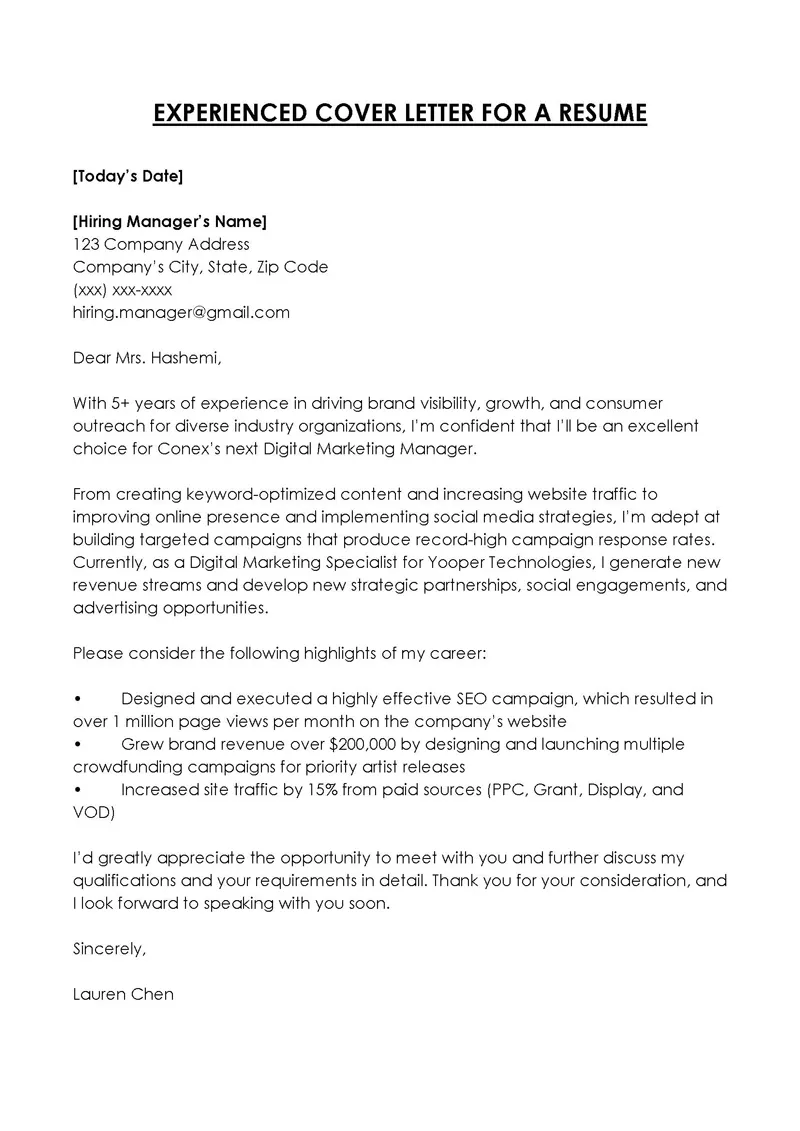
A cover letter complements your resume by providing a personalized introduction and a chance to explain why you are the perfect fit for the job. It allows you to elaborate on your skills and experience and showcase your enthusiasm for the position. A well-written cover letter can significantly improve your chances of getting an interview. Tailoring your cover letter to each job is critical for showing that you’ve researched the company and understand the role.
The Importance of a Cover Letter
A cover letter gives you the opportunity to express your interest in the company and the specific role. It enables you to highlight your key qualifications and explain why you are a good match for the position. A cover letter provides context and personalization that your resume cannot. Many employers expect a cover letter, and not submitting one can be a missed opportunity.
Structuring Your Cover Letter
A standard cover letter consists of an introduction, body paragraphs, and a conclusion. The structure should be clear and easy to follow, making it easy for the hiring manager to understand your qualifications. Use clear and concise language and maintain a professional tone throughout the letter. Ensure the letter is well-organized and error-free.
The Introduction
Start with a strong opening that grabs the reader’s attention and clearly states the position you are applying for. Mention where you found the job posting and express your enthusiasm for the opportunity. The introduction should provide a concise overview of why you’re the right person for the job. It must entice the hiring manager to read the rest of your letter.
The Body Paragraphs
In the body of your cover letter, elaborate on your key skills and experiences, providing specific examples of how you have met the job requirements. Tailor your letter to the job description, highlighting the skills and experiences that are most relevant. Show how your qualifications align with the company’s needs and the role’s responsibilities.
The Conclusion
End your cover letter with a strong closing statement that reiterates your interest in the position and includes a call to action, such as requesting an interview. Thank the hiring manager for their time and consideration. The conclusion should leave a lasting positive impression and encourage further action.
Cover Letter Writing Tips
Here are some additional tips to help you write a compelling cover letter, setting you apart from the competition. Your cover letter needs to stand out. Remember, it is a reflection of you and your attention to detail.
Tailoring Your Cover Letter to Each Job
Customize your cover letter for each job you apply for. Research the company and the specific role to understand their needs and tailor your letter accordingly. Use keywords from the job description and highlight the skills and experiences that are most relevant to the position. Customization is essential for demonstrating your genuine interest and suitability for the role.
Proofreading and Editing Your Documents
Always proofread your resume and cover letter carefully for any grammatical errors or typos. Ask a friend or family member to review your documents for feedback. A polished, error-free resume and cover letter demonstrates professionalism and attention to detail. Careful editing can significantly improve the clarity and impact of your documents.
Final Thoughts
Writing a compelling resume and cover letter takes time and effort, but the rewards are well worth it. By following these guidelines, you can create documents that effectively showcase your skills, experience, and achievements, increasing your chances of landing your dream job. Remember to tailor your documents to each job, proofread carefully, and always present yourself in a professional and confident manner. Good luck with your job search!