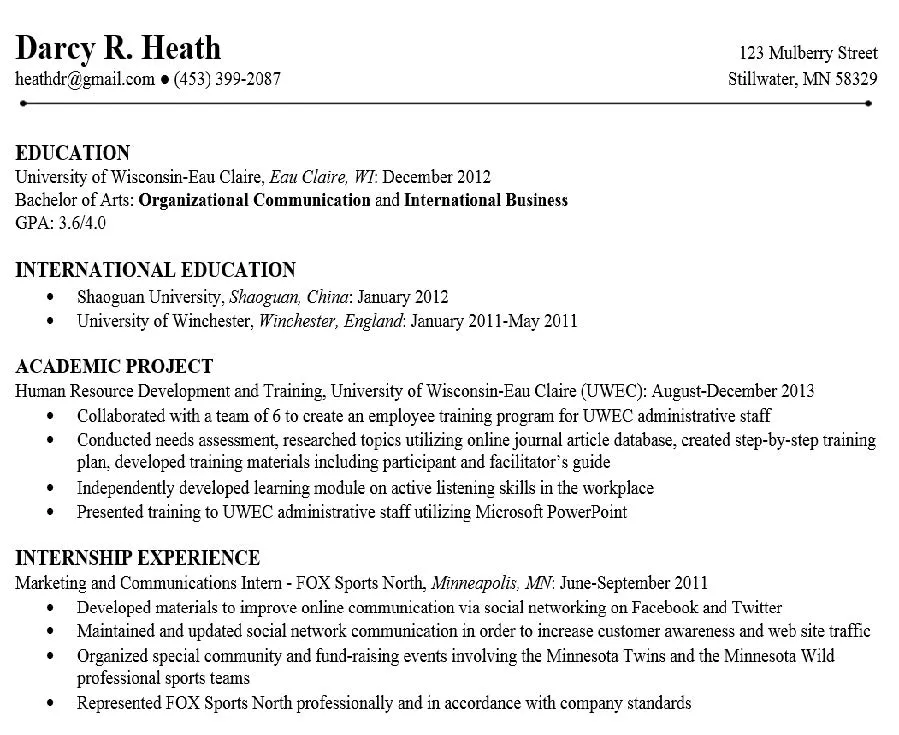
What is a Resume Cover Letter
A resume cover letter serves as your introduction to a potential employer. It’s a concise document that accompanies your resume, providing a personalized overview of your qualifications, skills, and enthusiasm for a specific job. Unlike your resume, which offers a factual account of your professional history, the cover letter allows you to express your personality, explain why you’re a perfect fit for the role, and demonstrate your understanding of the company’s needs. A well-crafted cover letter can significantly increase your chances of landing an interview by capturing the hiring manager’s attention and showcasing your genuine interest in the position.
Your Contact Information
Your contact information is crucial for the hiring manager to reach you. This section should be clear, concise, and easy to find at the top of your cover letter. Ensuring that your contact details are accurate is paramount, as any errors could lead to missed opportunities. This is often the first piece of information a recruiter will look for, so presenting it professionally sets the tone for the rest of your application.
Your Name, Address, Phone Number, and Email

Begin by including your full name at the top of the letter. Directly beneath your name, list your current address. Following your address, provide your phone number, ensuring it’s a number where you can easily be reached, including voicemail. Finally, provide a professional email address. Avoid using nicknames or unprofessional email handles. Your email should look professional, ideally using your first and last name. This ensures the hiring manager has all the necessary details to contact you promptly and efficiently.
The Hiring Manager’s Information
Addressing the hiring manager directly demonstrates initiative and professionalism. Researching the name of the hiring manager or the person responsible for reviewing applications is an important step. This personalization showcases your interest in the role and attention to detail. If you cannot find the hiring manager’s name, use a general greeting such as ‘Dear Hiring Manager,’ but always strive for a more specific approach to make a stronger impression.
Company Name, Hiring Manager Name, and Address
Start by writing the company’s name followed by the hiring manager’s full name and title. If you have it, use the address of the company to show you are serious about this opportunity. This step sets the professional tone of your letter and adds credibility to your application. Proper formatting and accuracy are critical here; double-check the spelling of the name and the accuracy of the title to ensure you make a positive first impression.
A Compelling Opening

The opening of your cover letter is critical; it’s your opportunity to capture the hiring manager’s attention from the start. A strong opening should immediately communicate your interest in the position and provide a clear, concise statement of why you are the ideal candidate. Avoid generic opening statements that lack impact. Instead, use this space to showcase your personality, express your enthusiasm for the company, and highlight something that sets you apart. This is your chance to create a memorable first impression that encourages the reader to delve deeper into your qualifications.
State Your Purpose
Clearly state the position you are applying for in your opening sentence. This ensures the hiring manager immediately knows what you’re applying for and helps them quickly assess your application’s relevance. Additionally, briefly mention where you found the job posting. This provides context and helps the hiring manager track the effectiveness of their job posting channels. Being direct and specific about your purpose sets the stage for the rest of your letter, making your intentions clear from the outset.
Grab Their Attention
Make your opening memorable by showcasing your passion for the company and the role. Mention something specific that drew you to the position. This could be a unique aspect of the company’s mission, a specific project you admire, or an accomplishment that aligns with the role’s requirements. A compelling opening demonstrates genuine interest, encouraging the hiring manager to continue reading and learn more about what makes you the best fit for the job. Show them why you want to work with them and what you can bring to the table.
Highlight Relevant Skills and Experience

The body of your cover letter is where you connect your skills and experience to the job requirements. Focus on the key qualifications listed in the job description and how your background aligns with them. Provide specific examples of how you’ve demonstrated these skills in past roles and achieved measurable results. Tailor this section to the specific job, highlighting what is most relevant to the hiring manager. This ensures you create a compelling case for why you are the ideal candidate.
Showcase Your Achievements
Go beyond listing your responsibilities; instead, emphasize your achievements and results. Use the job description as a guide and identify the specific skills and experiences the employer is seeking. Use these as the basis for highlighting your accomplishments. When possible, provide examples of how you’ve used your skills to solve problems, improve processes, or contribute to your previous organization’s success. Providing concrete examples makes your claims more persuasive and demonstrates the value you can bring to the role.
Quantify Your Accomplishments
To make your accomplishments more impactful, quantify them whenever possible. Instead of saying you ‘improved sales,’ state that you ‘increased sales by 15% in one quarter.’ Numbers provide concrete evidence of your abilities and help the hiring manager quickly assess your impact. Use data, metrics, and statistics to showcase your achievements and demonstrate the value you brought to previous employers. This approach makes your cover letter more compelling and highlights the tangible benefits you can bring to the new role.
Express Your Enthusiasm and Close

Your cover letter should close with a strong expression of your enthusiasm for the opportunity and a clear call to action. Reiterate your interest in the position and the company, and thank the hiring manager for their time and consideration. This is your final opportunity to leave a positive impression and encourage the hiring manager to move forward with your application.
Reiterate Your Interest
Restate your interest in the position and the company. Briefly mention why you are excited about the opportunity and why you believe you are a good fit. Reinforcing your enthusiasm demonstrates your genuine interest and helps you stand out from other candidates. Showing how excited you are helps to build a strong final impression, indicating your dedication and passion for the role.
Call to Action
Conclude your letter with a clear call to action. State that you are eager to discuss your qualifications further and welcome the opportunity to interview. Provide your contact information again for easy reference. Thank the hiring manager for their time and consideration. A clear call to action encourages the hiring manager to take the next step in the hiring process, helping you move forward in the application process.
Proofread and Edit

Before submitting your cover letter, carefully proofread and edit it to ensure it’s free of errors. Pay close attention to grammar, spelling, and punctuation. A polished cover letter reflects your attention to detail and professionalism. Errors can detract from your qualifications and make a negative impression, so taking the time to review your letter is essential.
Review for Errors
Check for any grammatical, spelling, or punctuation errors. These can undermine your credibility and professionalism. Read your cover letter multiple times, and if possible, have a friend or colleague review it as well. A fresh pair of eyes can catch mistakes you may have missed. Proofreading is a critical step in ensuring that your cover letter is error-free and presents you in the best possible light.
Format Properly
Ensure your cover letter is formatted correctly, using a professional font and clear layout. Use a standard font like Times New Roman or Arial, size 11 or 12. Use standard margins and single spacing. Keep the letter concise, ideally no more than one page. Proper formatting enhances readability and makes your cover letter more appealing to the hiring manager. A well-formatted cover letter shows that you pay attention to detail and value the importance of presentation.