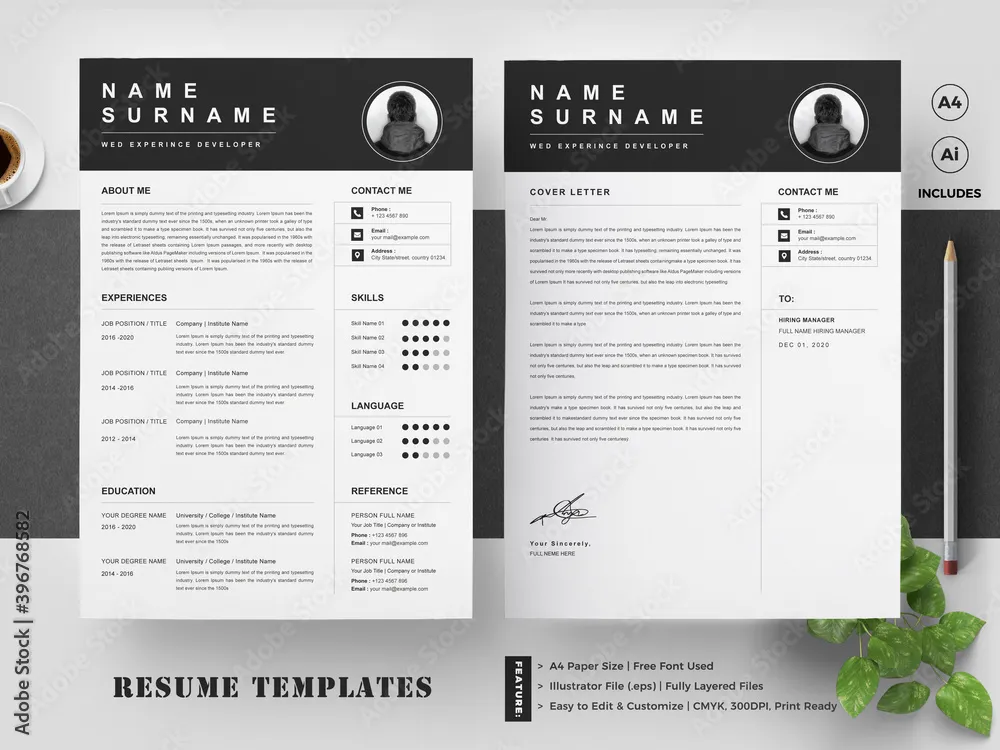
Resume Cover Letter Images Top 5 Tips
In the competitive world of job applications, every detail counts. While your resume and cover letter are crucial, incorporating images can significantly boost your chances of landing an interview. However, it’s important to use images strategically. This article provides the top 5 tips for effectively using images in your resume cover letter to make a lasting impression on potential employers. Done right, the right image can make you stand out, so let’s explore how to do it correctly and professionally. Remember that it is not mandatory to include images in a cover letter; however, if you choose to do so, consider these valuable tips.
Choose the Right Image Type
Selecting the appropriate image type is fundamental to a successful cover letter image strategy. Different types serve different purposes, and choosing the wrong one can be counterproductive. Always consider the message you want to convey and the impression you want to make. High-quality images can showcase your skills, personality, and understanding of design principles. The most common and effective types include infographics and relevant graphics. These can visually represent data, skills, or achievements in a way that grabs the reader’s attention and makes it easier to digest complex information. Choose an image type that complements your overall message and brand.
Understand Different Image Types

Images come in various formats, each serving a specific purpose. Vector images, like those created in Adobe Illustrator, are scalable and ideal for logos and graphics that need to maintain clarity at any size. Raster images, such as JPEGs and PNGs, are best for photographs and detailed illustrations. JPEGs are widely compatible but may lose quality with repeated saving. PNGs support transparency, making them perfect for graphics that need to blend with different backgrounds. The choice of image format affects how your image will appear and how it will be perceived. Ensure that you select the format that best suits the image’s purpose and intended use within your cover letter.
Consider the Use of Infographics
Infographics are powerful tools for conveying complex information in an easily digestible format. They can summarize your skills, experience, and achievements visually. If you have quantifiable results, like increased sales or successful project outcomes, infographics can present them in a compelling way. Infographics are visually engaging and can break up text, making your cover letter more appealing and memorable. When using infographics, ensure they are well-designed, clear, and relevant to the job you are applying for. Do not overload the image with too much data; keep it concise and focused on key information. An effective infographic can significantly elevate your cover letter, demonstrating your attention to detail and ability to communicate effectively.
Keep the Image Resolution High
High-resolution images are crucial for a professional presentation. Low-resolution images appear pixelated and unprofessional, which can undermine your credibility. Always use images with a resolution suitable for the intended display size. When creating or selecting images, aim for a resolution that ensures clarity, especially if the image will be viewed on a variety of devices and screen sizes. Ensure the image maintains its quality without distortion or blurriness. This demonstrates your attention to detail and professionalism. Before submitting your cover letter, always preview it to ensure the image looks sharp and clear on all devices.
Avoid Distracting Backgrounds

The background of your image can either enhance or detract from your message. Avoid backgrounds that are overly busy or cluttered, as they can distract the reader from the main content. If using graphics or illustrations, opt for simple, clean backgrounds that allow the central focus to stand out. For photographs, choose a background that complements your subject and does not compete for attention. Neutral and solid backgrounds are often the best choices for portraits and professional-looking images. The goal is to ensure the image complements your message rather than creating visual noise, which can confuse or frustrate the reader.
Image Placement Matters
How and where you place images in your cover letter can significantly impact its effectiveness. Strategic placement ensures the images complement your message and do not disrupt the flow of your letter. Consider the overall layout and design to maintain a professional and visually appealing presentation. The placement of images should enhance the reader’s understanding and engagement with your application. Poor image placement can lead to confusion, while strategic placement can highlight key information and make your cover letter more memorable.
Place the Image Strategically
Strategic image placement is critical for maximizing impact. Place images near the relevant text to provide context and visual reinforcement. For example, if you are highlighting your skills in a specific area, an infographic showing your achievements in that area should be placed nearby. Avoid placing images in the middle of paragraphs; instead, integrate them neatly into the margins, top, or bottom, or at appropriate section breaks to avoid disrupting readability. Ensure that the image flows well with your content, creating a smooth and engaging reading experience. Proper placement will not only draw the reader’s eye but also reinforce your key points.
Ensure the Image Complements Your Message

Every image in your cover letter should serve a purpose and complement your overall message. The image should visually support the points you are making, reinforcing your qualifications and personality. Avoid using images that are irrelevant or distracting, as they can dilute your message and appear unprofessional. Before including an image, ask yourself whether it adds value to your cover letter. Ensure that the image is consistent with your brand and the job requirements. A well-chosen image will enhance your cover letter, while a poorly chosen one can detract from it.
Optimize Images for SEO
Optimizing images for search engines is an essential aspect of digital marketing. The same principles apply to resume cover letter images, ensuring that they are accessible and contribute positively to your application’s visibility. Proper image optimization improves the chances of your cover letter being found and indexed by search engines, potentially increasing your chances of being noticed by employers.
Use Relevant Alt Text
Alt text, or alternative text, provides a text description of your image. This is crucial for accessibility and SEO. Screen readers use alt text to describe images to visually impaired users, making your cover letter accessible to a broader audience. Search engines use alt text to understand the context of your images, which can improve your cover letter’s ranking in image searches. When writing alt text, use relevant keywords that accurately describe the image’s content. Keep the alt text concise and informative, providing valuable context without being overly descriptive or keyword-stuffed. Well-written alt text enhances the overall user experience and helps your cover letter rank higher in search results.
Compress Images to Reduce File Size

Large image files can slow down your cover letter’s loading time, which can frustrate potential employers and reduce the overall impact of your application. Compressing your images reduces their file size while maintaining acceptable quality. Several online tools and software programs can help you compress images without significant loss of quality. By reducing file size, you ensure that your cover letter loads quickly and provides a smooth user experience. Optimize images to balance file size and visual quality, ensuring that they are easily accessible and do not hinder the viewing experience. This is a standard SEO practice that ensures a positive experience for the viewer.
Ensure Image is Relevant to the Job
The relevance of your images to the job you are applying for is paramount. Any images you include should directly relate to the position or the skills and experience you are highlighting. This demonstrates your attention to detail and your ability to tailor your application to the specific requirements of the job. Irrelevant images can confuse the hiring manager and distract from your qualifications. If the job requires specific software skills, consider including a graphic showing your proficiency. If the job requires creativity, consider adding a well-designed infographic to showcase your creative abilities. Always make sure the images align with the job description, showing how your skills and experiences are a perfect fit for the role.
Focus on Professionalism
Professionalism should be the guiding principle behind all images in your cover letter. Choose images that reflect your career aspirations and the standards of the industry you are targeting. This includes avoiding casual or unprofessional images. The goal is to present yourself as a polished, serious candidate. If you include a portrait, ensure it is a high-quality, professional headshot. Similarly, any graphics or illustrations should be clean, well-designed, and relevant to your professional experience. Maintain a consistent brand identity that reflects professionalism.
Avoid Personal Photos

Unless specifically requested, avoid including personal photos that are unrelated to your professional qualifications. This includes selfies, vacation photos, or images of hobbies. The purpose of your cover letter is to showcase your professional skills and experience, and personal photos can detract from this focus. If you want to add a personal touch, consider a professional headshot or a graphic that represents your skills or industry. Keep your cover letter focused on your professional qualifications to maintain a strong and targeted application. The cover letter is not a personal social media profile.
Always Test Your Cover Letter
Testing your cover letter is essential to ensure everything works as intended before submitting it. Testing allows you to catch any errors, and to ensure that your images appear correctly on different devices and platforms. Take the time to test and refine your cover letter to maximize its impact.
Proofread Everything
Proofreading is a critical step to ensure your cover letter is free from errors. Typos, grammatical errors, and inconsistencies can undermine your credibility and professionalism. Carefully review your cover letter for any spelling mistakes, grammatical errors, and formatting issues. Use a grammar checker and ask a friend or colleague to proofread your cover letter to catch any mistakes you might have missed. Proofreading is a crucial step, it is essential to ensure you make a positive impression.
Test the Cover Letter on Various Devices

Before submitting your cover letter, test it on different devices and platforms to ensure that it displays correctly. Open your cover letter on a computer, tablet, and smartphone to check how the images and layout appear on different screen sizes. Verify that the images are correctly placed and are not distorted or cropped. Test it on different operating systems (Windows, macOS, Android, iOS) to confirm compatibility and consistent display. If your cover letter includes any interactive elements, ensure they function correctly on all devices. Thorough testing guarantees that your cover letter delivers a professional and consistent experience across different platforms, making a strong and positive impression on potential employers.