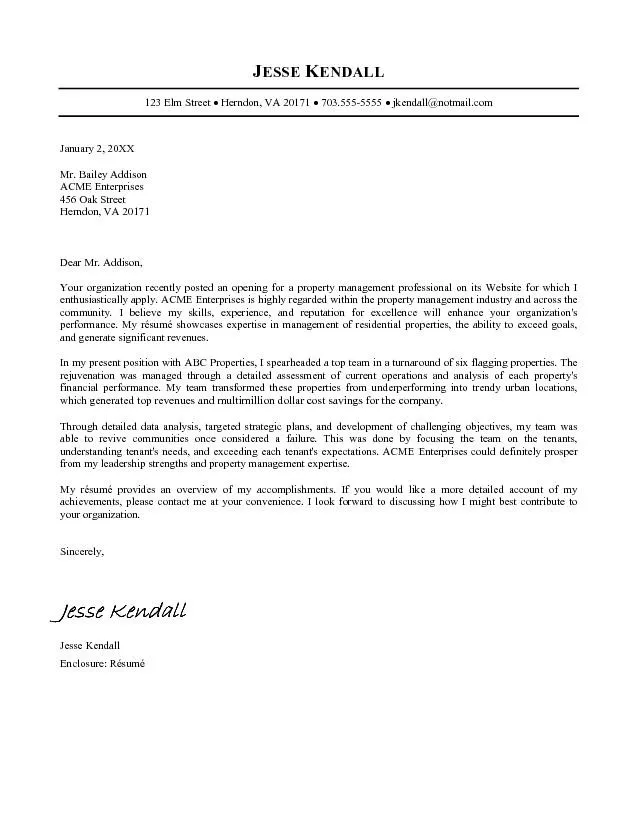
What is a Cover Letter for a Resume?
A resume cover letter is a crucial document that accompanies your resume when applying for a job. It serves as a personalized introduction, allowing you to elaborate on your qualifications, skills, and experiences while expressing your interest in the specific position and company. Unlike the concise nature of a resume, a cover letter provides an opportunity to showcase your personality, writing style, and communication abilities. It’s your chance to make a strong first impression and convince the hiring manager to delve deeper into your resume. Think of it as a sales pitch, highlighting your value proposition and why you’re the perfect fit for the role.
Why You Need a Resume Cover Letter
While not always mandatory, a cover letter can significantly increase your chances of landing an interview. It allows you to personalize your application and demonstrate genuine interest in the opportunity. It shows that you’ve taken the time to understand the company and the specific role, setting you apart from candidates who may have simply submitted a generic resume. Additionally, a cover letter enables you to address any potential gaps in your resume, such as career changes or periods of unemployment, providing context and reassuring the hiring manager. In a competitive job market, a well-crafted cover letter can be the deciding factor between an interview and a rejection.
Key Components of a Compelling Cover Letter

A successful cover letter is comprised of several key elements working in harmony to create a persuasive argument. Each section plays a vital role in conveying your qualifications and enthusiasm. From the initial greeting to the final call to action, every word should be carefully chosen to leave a lasting positive impression. A well-structured letter demonstrates your attention to detail, organizational skills, and writing proficiency, all highly valued qualities in the professional world. By mastering these components, you can craft a cover letter that grabs attention and gets you noticed.
Header Information
Begin your cover letter with a professional header. Include your full name, contact information (phone number and email address), and the date. If you know the hiring manager’s name, include their name, title, and the company’s address. This information ensures that your application can be easily identified and that the recipient knows who the letter is from. Make sure your contact information is up-to-date and professional-looking, as it’s the primary way for employers to reach you.
Greeting and Salutation
Address the hiring manager by name whenever possible. Research the company website or LinkedIn to find out who will be reviewing your application. If you’re unable to find a specific name, use a professional greeting like ‘Dear Hiring Manager’ or ‘Dear [Department Name] Team’. Avoid generic greetings such as ‘To Whom It May Concern,’ as these can make your letter feel impersonal. A personalized greeting shows you’ve put in the effort to research the company and role.
Introduction: Grab Their Attention

The introduction is your chance to make a strong first impression. Start with a concise and compelling statement that immediately captures the reader’s interest. Mention the specific position you’re applying for and how you found the opportunity. Briefly highlight your most relevant qualifications or accomplishments that align with the job requirements. This opening should be engaging and make the reader want to learn more. Avoid generic openings and instead focus on demonstrating your enthusiasm and showcasing your value proposition.
Body Paragraph 1 Skills & Experience
In the first body paragraph, elaborate on your skills and experience. Focus on the most relevant qualifications mentioned in the job description. Use specific examples and quantifiable results to demonstrate your achievements. Tailor your content to the specific requirements of the role and explain how your past experiences have prepared you for success. Instead of simply listing your skills, explain how you’ve used them to achieve positive outcomes in previous roles. Show, don’t just tell, the value you can bring to the company.
Body Paragraph 2 Show Enthusiasm and Personality
The second body paragraph provides an opportunity to showcase your enthusiasm and personality. Explain why you’re interested in the company and the specific role. Mention something that resonates with you about the company culture, values, or mission. Highlight what excites you about the opportunity and how your goals align with the company’s objectives. Show that you’ve done your research and genuinely want to be a part of their team. This section allows you to connect with the hiring manager on a personal level and demonstrate that you are more than just a list of qualifications.
Body Paragraph 3 Call to Action

The third and final body paragraph should be a call to action. Summarize your key qualifications and reiterate your interest in the position. Express your confidence in your ability to contribute to the company’s success. Clearly state your availability for an interview and how you can be reached. Thank the hiring manager for their time and consideration. This concluding paragraph should leave the reader with a sense of your enthusiasm and professionalism, prompting them to move forward with your application.
Closing and Signature
Close your cover letter with a professional closing. Use ‘Sincerely,’ ‘Best regards,’ or a similar closing phrase. Then, type your full name. If you are submitting a hard copy, sign your name above your typed name. This final touch adds a professional finish to your cover letter. Double-check that all your information is accurate and that the letter is free of any errors.
Formatting Your Resume Cover Letter for Success
Proper formatting can significantly improve the readability and visual appeal of your cover letter. A well-formatted letter is easier to scan and allows the hiring manager to quickly grasp the key information. The formatting choices you make reflect your attention to detail and professionalism. By adhering to established formatting guidelines, you can ensure your cover letter looks polished and creates a positive first impression.
Font Choice and Readability

Choose a professional and easy-to-read font, such as Times New Roman, Arial, or Calibri. The font size should be between 10 and 12 points. Avoid using overly decorative or unusual fonts, as they can distract the reader and make your letter difficult to read. The goal is to create a clean and professional appearance that allows the content to shine. Consistency in font choice throughout the letter is essential for a polished look.
Page Margins and Spacing
Use standard 1-inch margins on all sides of the page. This creates sufficient white space, making your letter easier on the eyes. Double-space between paragraphs to improve readability and provide visual separation. The overall effect should be clean and organized, allowing the reader to easily navigate the content. Pay attention to the alignment; left alignment is generally preferred for a professional look.
Length and Structure
Keep your cover letter concise and to the point. Aim for a length of one page. Limit the number of paragraphs and use clear, concise language. Structure your letter with a clear introduction, body paragraphs that highlight your skills and enthusiasm, and a strong closing. Avoid long blocks of text; use bullet points or short paragraphs to break up the text and enhance readability. Ensure your letter flows logically and highlights the most important information.
Top Resume Cover Letter Mistakes to Avoid

Even the most qualified candidates can sabotage their chances with a poorly written cover letter. Common mistakes can instantly disqualify your application. By understanding these pitfalls, you can avoid them and craft a compelling letter that grabs attention and makes a positive impression. Avoiding these errors demonstrates your professionalism and attention to detail.
Grammar and Spelling Errors
Carelessly written letters filled with grammatical errors and spelling mistakes can immediately undermine your credibility. Always proofread your cover letter multiple times before submitting it. Use a grammar checker and ask a friend or family member to review it. Errors signal a lack of attention to detail and can create a negative impression. Take the time to ensure your writing is polished and error-free.
Generic Cover Letters
Submitting a generic cover letter that could apply to any job is a major turnoff for hiring managers. It shows a lack of interest in the specific role and company. Tailor your letter to each specific job application, highlighting the skills and experiences most relevant to the position. Show that you’ve done your research and genuinely want to work for that particular company. Generic letters demonstrate a lack of effort and often end up in the rejection pile.
Failing to Tailor Your Letter

Failing to customize your cover letter is a missed opportunity to make a strong connection with the hiring manager. Even if you’re applying for similar roles, tailoring your letter demonstrates your understanding of the specific requirements and challenges of each position. Research the company, the team, and the role, then align your skills and experiences accordingly. Customization shows you’re invested in the opportunity and can bring specific value to the team. Always proofread your letter to ensure that the company name and job title are accurate.
How to Customize Your Cover Letter for Each Job
Customization is key to writing a compelling cover letter that grabs attention and secures an interview. It demonstrates your interest in the specific opportunity and shows you’ve put in the effort to tailor your application. By following a systematic approach, you can create a letter that highlights your relevant skills and experiences while showcasing your enthusiasm for the role and company. This approach significantly increases your chances of landing an interview and ultimately getting hired.
Researching the Company and Role
Before you start writing, thoroughly research the company and the specific role. Visit the company’s website, read news articles, and check out their social media profiles. Understand their mission, values, and recent achievements. Analyze the job description carefully, identifying the key skills, experiences, and qualifications the employer is seeking. This research will provide you with valuable insights that you can use to tailor your cover letter and demonstrate your genuine interest in the opportunity. Knowing the company’s needs allows you to showcase the value you can bring to the team.
Highlighting Relevant Skills
Carefully review the job description and identify the key skills and qualifications the employer is seeking. Then, highlight your relevant skills and experiences in your cover letter. Provide specific examples of how you’ve used these skills in previous roles and the positive outcomes you achieved. Quantify your accomplishments whenever possible to demonstrate your value. Tailor your language and content to align with the keywords and phrases used in the job description. This ensures your letter resonates with the hiring manager and demonstrates that you’re a strong fit for the role.
Using Keywords from the Job Description
Incorporate relevant keywords and phrases from the job description into your cover letter. Applicant Tracking Systems (ATS) often scan applications for specific keywords, so including them can improve your chances of getting noticed. Don’t simply stuff your letter with keywords, but weave them naturally into your writing, ensuring that the content remains clear and engaging. Use keywords to describe your skills, experience, and accomplishments, demonstrating that you meet the requirements of the role. This strategic use of keywords helps your letter stand out and increases the likelihood of being reviewed by a human.
Cover Letter Examples & Templates
Reviewing cover letter examples and using templates can be a great starting point for creating your own. Look for examples that align with your industry, experience level, and the types of jobs you are applying for. Adapt templates to fit your specific qualifications and the requirements of each role. Be sure to personalize the content and avoid simply copying and pasting. Examples and templates can provide inspiration and guidance, but your cover letter should ultimately reflect your unique skills, experiences, and personality. Tailoring the template to your specific circumstances demonstrates your commitment and interest.
Resume Cover Letter Writing Tips for Different Industries
Cover letter conventions and best practices can vary across different industries. Tailoring your letter to the specific norms of the field is crucial for making a positive impression. Research the expectations of the industry, and adapt your language, tone, and formatting accordingly. This industry-specific approach demonstrates your understanding of the field and your commitment to a successful career.
Cover Letter Examples for Entry-Level Jobs
Entry-level cover letters should emphasize education, internships, relevant coursework, and any transferable skills. Highlight your enthusiasm and willingness to learn and grow. Focus on your achievements and the value you can bring, even with limited professional experience. Tailor your letter to the specific role, and show that you understand the company and its needs. Be sure to proofread carefully and present a professional image.
Cover Letter Examples for Experienced Professionals
Experienced professionals should focus on quantifiable accomplishments and career progression. Highlight your key achievements and the impact you’ve made in previous roles. Tailor your letter to the specific requirements of the new position, demonstrating how your skills and experience align with the company’s needs. Provide specific examples of your success and the value you can bring to the new role. Emphasize your leadership capabilities and how you have contributed to the success of previous employers. Demonstrate that you’re a strategic thinker and can make a significant contribution to the company.
Cover Letter Examples for Creative Fields
Cover letters for creative fields often have more flexibility in terms of style and format. Showcase your creativity and personality while adhering to professional standards. Highlight your portfolio and provide links to your work. Use compelling language and visuals to capture the reader’s attention. Showcase your uniqueness and innovation. Tailor your letter to the specific role and demonstrate your passion for the field. Make your letter a reflection of your creative abilities.