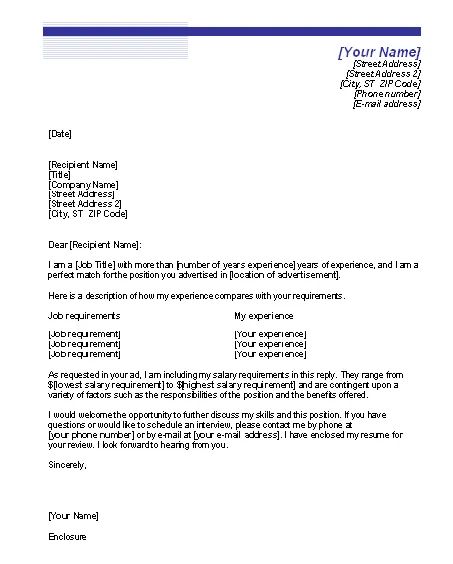
What is a Resume and Cover Letter
A resume and cover letter are essential documents in the job application process, serving as your initial introduction to potential employers. Your resume provides a concise overview of your skills, experience, and education, while your cover letter offers an opportunity to expand on your qualifications and express your interest in a specific position or company. These documents play a vital role in securing interviews and ultimately landing your dream job. Both resume and cover letter are critical for effectively showcasing your capabilities and qualifications to the hiring manager. Each document serves a unique purpose and, when used together, create a compelling case for your candidacy. They are also highly dynamic and need frequent revision and tweaking to reflect the job requirements.
Why Do You Need a Resume and Cover Letter
A well-crafted resume and cover letter are indispensable tools in your job search arsenal. They demonstrate your ability to communicate effectively and present yourself professionally. Without these documents, you risk being overlooked by recruiters and hiring managers. A resume provides a structured snapshot of your skills and experience, allowing employers to quickly assess your suitability for a role. The cover letter allows you to personalize your application, highlighting how your qualifications align with the specific requirements of the job. It is also your chance to demonstrate your enthusiasm and suitability for the role in ways that a resume alone cannot achieve, providing context and personality that a resume may lack. These documents are your first impression, and the better the impression, the higher the chances of you getting the job.
Resume Basics

Your resume should be clear, concise, and easy to read. It typically includes sections for your contact information, summary or objective, work experience, skills, and education. Each section serves a specific purpose, and the overall structure should be logical and tailored to the jobs you are applying for. Use a professional font, such as Arial, Calibri, or Times New Roman, and maintain consistent formatting throughout the document. The language used should be direct and to the point, highlighting the aspects of your career that make you a prime candidate. Highlighting your key achievements and contributions in previous roles is important; the more impact you had, the better the odds.
Formatting Your Resume
Formatting your resume correctly is crucial for making a positive first impression. Choose a clean and professional layout with clear headings and ample white space. This makes it easier for recruiters to scan your document and quickly identify relevant information. Consider using bullet points to list your responsibilities and accomplishments, as this helps to break up large blocks of text and make the information more digestible. Make sure you use a consistent font size and style throughout the document. Proper formatting demonstrates attention to detail and professionalism, both of which are qualities that employers value in candidates. Use bolding and italics strategically to draw attention to important details, but avoid overuse.
Contact Information
At the top of your resume, include your full name, phone number, email address, and LinkedIn profile URL. Make sure your email address sounds professional. It’s also a good idea to include your location, although you don’t need to provide your full address. Ensure all the contact information is current and that you regularly check your voicemail and email. Double-check all the information for accuracy to avoid any potential issues with recruiters trying to contact you. A missing phone number or email can result in you losing the opportunity.
Summary or Objective

A summary is a brief overview of your key skills and experience, while an objective states your career goals. A summary is generally preferred, as it immediately highlights your value to the employer. Tailor your summary or objective to the specific job you’re applying for, highlighting the skills and experiences that align with the requirements. If you’re an experienced professional, a summary is generally better. For entry-level candidates or those changing careers, an objective can be appropriate, as it clearly states your career aspirations. Keep the summary concise, ideally within three or four sentences, and use strong keywords that match the job description.
Work Experience
List your work experience in reverse chronological order, starting with your most recent job. For each position, include the job title, company name, dates of employment, and a brief description of your responsibilities and achievements. Quantify your accomplishments whenever possible using numbers and data to demonstrate the impact you’ve made in previous roles. Use action verbs to describe your contributions. Focus on the skills and experiences that are most relevant to the job you’re applying for, tailoring each description to match the specific requirements of the role. Provide specific examples and details.
Skills Section
Create a skills section to showcase both your hard and soft skills. Hard skills are technical abilities, such as software proficiency or data analysis, while soft skills include communication, teamwork, and problem-solving. Group your skills into categories to make them easier to scan and highlight the skills that are most relevant to the job. Use keywords from the job description to ensure your resume gets noticed by applicant tracking systems. Always be honest about your skill level and provide examples of how you’ve utilized those skills in your work experience. Prioritize skills based on their importance to the role.
Education

Include your educational background, listing the degree, major, university name, and graduation date. If you have a degree, include it. If you are still in school, include the expected graduation date. You can also include relevant coursework, honors, or academic achievements, especially if you’re an entry-level candidate. If you have extensive work experience, this section can be placed towards the end of your resume. Highlighting your educational background demonstrates your knowledge base. Don’t include high school details if you have a college degree.
Cover Letter Essentials
A cover letter should complement your resume by providing additional context and showcasing your personality. It allows you to express your enthusiasm for the role and demonstrate why you’re a good fit. The cover letter should be customized for each job you apply for. You should also highlight how your skills and experience align with the specific needs of the employer. Proofread it very carefully. Always personalize your cover letter by addressing the hiring manager by name, if possible. A well-written cover letter can significantly increase your chances of getting an interview.
The Cover Letter Format
A standard cover letter typically includes an opening paragraph, body paragraphs, and a closing paragraph. Keep it concise and easy to read, aiming for no more than one page. Use a professional font and format, similar to your resume. The tone should be professional and enthusiastic. The structure should be logical, with each paragraph serving a specific purpose. Keep it simple, to the point, and clearly express your interest in the position.
Opening Paragraph

In the opening paragraph, state the position you’re applying for and how you learned about the opportunity. Express your enthusiasm and briefly mention why you’re interested in the company. If you were referred by someone, mention their name. This is your chance to grab the reader’s attention and make a strong first impression. Indicate the specific job title, or use similar language to show your interest. Demonstrate your knowledge of the company.
Body Paragraphs
The body paragraphs should highlight your relevant skills, experience, and accomplishments, providing specific examples to support your claims. Connect your qualifications to the requirements outlined in the job description. Explain why you are a good fit for the role and how you can contribute to the company’s success. Focus on the most important skills and experiences. Provide concrete examples that demonstrate your abilities and qualifications.
Closing Paragraph
In the closing paragraph, reiterate your interest in the position and thank the reader for their time and consideration. Express your eagerness to hear back from them and mention how you can be contacted. Include a call to action, such as requesting an interview. End with a professional closing, such as “Sincerely” or “Best regards,” followed by your full name. Proofread the entire document to ensure it is free of errors.
Tips for Writing a Strong Resume

Creating a compelling resume requires careful attention to detail and strategic presentation. By following these tips, you can increase your chances of securing an interview and landing your dream job. Focus on highlighting your key skills and experiences and tailoring your resume to each specific job application. Your resume must be formatted correctly to avoid any chance of it being discarded. Be sure to quantify your achievements whenever possible. Always use action verbs to describe your accomplishments and contributions.
Highlight Your Achievements
Instead of just listing your responsibilities, focus on your achievements and the impact you made in previous roles. Use quantifiable results to demonstrate your accomplishments. For example, instead of writing, ‘Managed social media accounts,’ write ‘Increased social media engagement by 30% in six months.’ Quantifiable results are always a more effective and impactful way of selling your qualifications. Use data and numbers to illustrate your successes and contributions. Provide specific examples that show how you excelled in previous roles.
Use Action Verbs
Start each bullet point with a strong action verb to make your resume more dynamic and engaging. Action verbs convey what you did and the results you achieved. For example, use verbs like ‘managed,’ ‘developed,’ ’led,’ ‘implemented,’ or ‘achieved.’ Avoid using passive voice and instead use active voice to describe your responsibilities and accomplishments. Choose the action verbs that are most relevant to the job description. Using strong action verbs makes your resume more impactful.
Proofread Carefully

Proofreading is essential to ensure your resume and cover letter are free of errors. Typos, grammatical errors, and inconsistencies can undermine your credibility and make a negative impression. Read your documents multiple times. Have a friend or family member review them for you. Use a grammar and spell-checking tool. Double-check all dates, names, and contact information for accuracy. A polished and error-free resume shows that you pay attention to detail.
Resume Templates and Examples
Utilizing resume templates and examples can significantly streamline the resume-writing process. Templates provide a pre-designed structure and format, which you can customize with your own information. Examples offer inspiration and help you understand how to effectively present your skills and experience. Choosing the right template and studying examples can save you time and effort, while ensuring your resume looks professional and well-organized.
Where to Find Resume Templates
There are numerous online resources where you can find free and premium resume templates. Websites like Microsoft Word, Google Docs, and Canva offer a wide variety of templates that you can download and customize. You can also find templates on job search websites and career-focused platforms. Make sure the template aligns with your field or the jobs you are applying for. Select a template that is visually appealing and easy to read. Customize the template with your own information and skills.
Analyzing Resume Examples
Studying resume examples can provide valuable insights into effective resume writing. Pay attention to the layout, formatting, and content of the examples. Analyze how the candidates highlight their skills, experience, and accomplishments. Identify best practices and common formats in your industry. Use the examples as a guide to create your own resume. Adapt the examples to suit your specific experience and the job you are applying for.
Common Resume Mistakes
Avoid these common resume mistakes to increase your chances of success. These mistakes can lead to your application being rejected. A well-crafted resume should always be free of these potential errors. Always proofread to ensure the information is correct and formatted correctly.