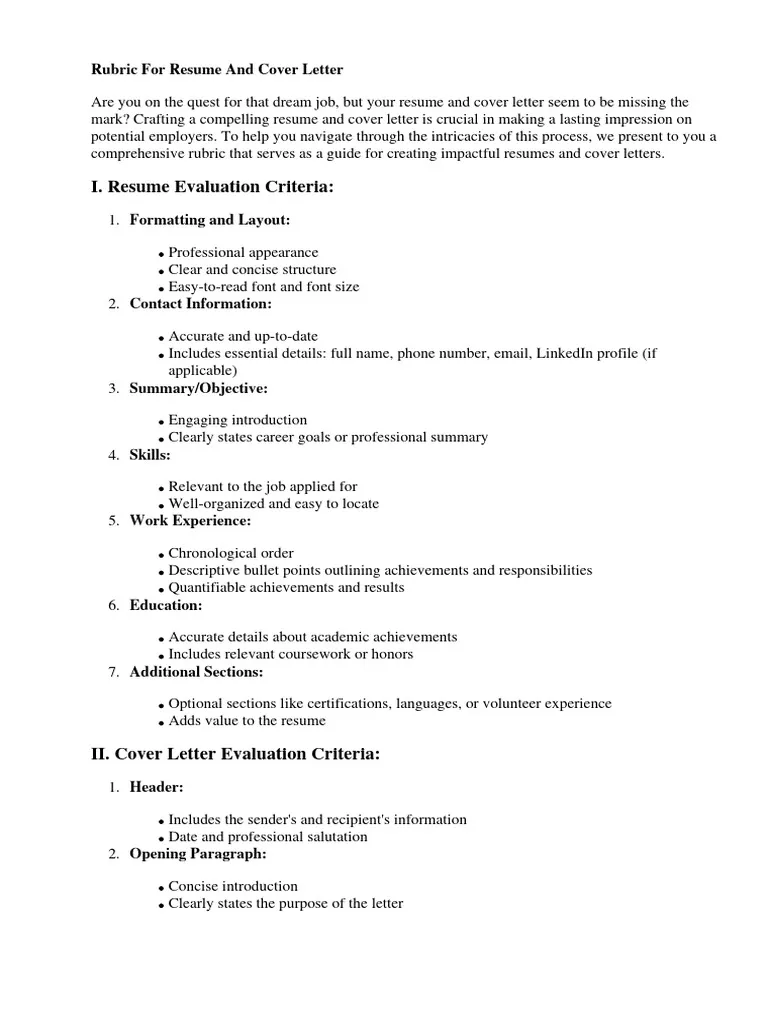
Crafting a Winning Resume
Your resume is your first impression on potential employers, so it’s crucial to make it count. A well-crafted resume showcases your skills, experience, and achievements in a concise and easy-to-read format. This section will guide you through the key elements of creating a resume that grabs attention and gets you noticed. Focus on clarity, relevance, and a strong presentation to ensure your resume effectively represents your professional brand. Remember, your resume is a marketing tool, so tailor it to the specific jobs you’re applying for, emphasizing the skills and experience that align with the employer’s needs. Avoid generic language and instead, use action verbs to describe your accomplishments.
Highlighting Your Skills and Experience
One of the most important aspects of a strong resume is clearly highlighting your skills and experience. This involves carefully selecting and presenting information that directly relates to the jobs you are targeting. Start by creating a skills section, listing both hard skills (technical abilities) and soft skills (interpersonal and communication abilities). Then, in the experience section, use bullet points to describe your responsibilities and accomplishments in each role. Focus on what you achieved, not just what you did. When describing your experience, use keywords from the job description to demonstrate that you possess the necessary qualifications and that you have the knowledge to deliver positive outcomes.
Quantifying Your Achievements

To make your resume even more impactful, quantify your achievements whenever possible. Instead of saying you ‘improved customer service’, state that you ‘increased customer satisfaction scores by 15%’. Using numbers and data provides concrete evidence of your accomplishments and demonstrates your ability to deliver results. This makes your resume more persuasive and memorable. For example, if you managed projects, include the budget size, the number of team members, or the project’s impact on the company. Use metrics such as percentages, dollar amounts, or timeframes to showcase the tangible value you brought to previous employers and the expertise you have. Including these statistics helps potential employers understand the depth of your experience.
Tailoring Your Resume to the Job
Generic resumes rarely impress hiring managers. Tailoring your resume to each specific job application is essential for success. Carefully review the job description and identify the key skills, qualifications, and requirements. Then, adjust your resume to highlight the experiences and accomplishments that are most relevant to the position. This may involve reordering sections, modifying bullet points, or even adding or removing information. When you customize your resume, you show the employer that you have taken the time to understand their needs and that you are a strong match for the role. Use the same keywords and phrases from the job description to ensure your resume passes the Applicant Tracking System (ATS).
Resume Formatting and Design
The format and design of your resume are as important as its content. Choose a clean, professional template that is easy to read and visually appealing. Use clear headings, consistent formatting, and sufficient white space to make your resume scannable and user-friendly. Avoid using excessive colors, fonts, or graphics that might distract the reader. Ensure that your contact information is prominently displayed and up-to-date. Use a modern font like Calibri, Arial, or Times New Roman. Keep the layout organized, using clear sections for your contact information, summary/objective (optional), skills, experience, education, and any other relevant information. Be consistent in your formatting throughout the document to maintain a professional presentation.
Creating a Compelling Cover Letter

While your resume provides a summary of your qualifications, a cover letter allows you to expand on your experiences and express your personality and enthusiasm for the job. A well-written cover letter can significantly increase your chances of getting an interview. It provides an opportunity to tell your story, explain why you’re a good fit for the company and the role, and showcase your communication skills. Always customize your cover letter for each job application. Generic cover letters are quickly dismissed. The best cover letters go beyond simply restating the information from your resume; they provide additional context, and enthusiasm, and make the candidate stand out from others.
Understanding Cover Letter Structure
A well-structured cover letter follows a standard format that includes an introduction, body paragraphs, and a conclusion. The introduction should grab the reader’s attention, state the position you are applying for, and briefly explain why you are interested in the company. The body paragraphs should highlight your relevant skills and experiences, providing specific examples of your accomplishments and explaining how they align with the job requirements. The conclusion should reiterate your interest in the position and thank the reader for their time and consideration. Include a call to action, such as expressing your eagerness to discuss your qualifications further in an interview. Address the hiring manager directly, if possible, to demonstrate that you have taken the time to do your research.
Showcasing Your Personality and Enthusiasm
Your cover letter is your chance to let your personality shine through and demonstrate your genuine enthusiasm for the job and the company. Use a professional yet engaging tone, and write in a way that reflects your unique voice. Share anecdotes or stories that highlight your skills and experiences in a relatable way. Express your passion for the industry or the company’s mission. This enthusiasm can make a lasting impression on the hiring manager. Avoid sounding overly formal or stiff. Let your personality show and convey your excitement about the opportunity. Show genuine interest and enthusiasm by referencing specific aspects of the company or job that excite you.
Cover Letter Formatting and Tone

Just like your resume, your cover letter should be well-formatted and easy to read. Use a professional font, such as Times New Roman, Arial, or Calibri, and maintain consistent formatting throughout the document. Ensure that the text is aligned and that there is adequate spacing between paragraphs. Use a clear and concise writing style, avoiding jargon or overly complex sentences. Tailor the tone of your cover letter to the specific company culture. Some companies may appreciate a more formal tone, while others may prefer a more casual approach. Regardless of the tone, always be professional and respectful in your communication. Pay attention to the overall presentation of your cover letter, and make sure it reflects the level of care and attention you would bring to the job.
Proofreading and Editing
Before submitting your resume and cover letter, proofread and edit them meticulously. Even a small error can make a negative impression on the hiring manager. Thorough proofreading ensures your documents are polished and professional. Set aside time specifically to edit your resume and cover letter, and read them aloud to catch errors you might miss when reading silently. Ask a friend or family member to review your documents for a fresh perspective. Pay attention to all details, including grammar, spelling, punctuation, and formatting. A mistake-free resume and cover letter demonstrate your attention to detail and commitment to quality.
Checking for Grammar and Spelling Errors
Grammatical errors and spelling mistakes can undermine your credibility and make you appear careless. Use a spell checker and grammar checker, but don’t rely on them entirely. They can sometimes miss errors or suggest incorrect corrections. Read your resume and cover letter carefully, looking for typos, incorrect word usage, and sentence structure issues. Double-check the names of the hiring manager, company, and any other specific details mentioned in your documents. Make sure that the font is correct and formatting is consistent throughout your resume and cover letter. A polished document is vital in the job application process.
Ensuring Consistency and Clarity

Consistency and clarity are essential for a polished resume and cover letter. Ensure that all the information is presented in a consistent format, including dates, job titles, and descriptions. Use a consistent style for bullet points, headings, and other formatting elements. Your writing should be clear, concise, and easy to understand. Avoid using jargon or overly complex language that might confuse the reader. Organize your thoughts logically, and use transitions to help the reader follow your train of thought. Ensure that the information in your resume and cover letter aligns and that there are no contradictions. A well-organized and clearly written document is more likely to impress the hiring manager.
Seeking Feedback and Revision
After completing your resume and cover letter, seek feedback from trusted sources. Ask friends, family members, career counselors, or other professionals to review your documents. They can provide valuable insights and help you identify areas for improvement. Ask them to look for grammar errors, clarity, and overall effectiveness. Revise your resume and cover letter based on the feedback you receive. Be open to suggestions and willing to make changes. A fresh pair of eyes can often catch errors or provide suggestions that you might have missed. Make sure to use the feedback to improve the content and presentation of your documents. Reviewing your documents and making appropriate adjustments can ensure your resume and cover letter are the best they can be.
Maximizing Your Chances
Once you have perfected your resume and cover letter, there are several steps you can take to maximize your chances of success. This involves strategically distributing your application, networking, and preparing for interviews. Your job search strategy is just as important as the documents you submit. The more effort you put into these tasks, the better your chances of landing your ideal job. Consider all the different steps involved, from job searching to preparing for interviews, to achieve optimal results. Take advantage of all opportunities available to you, including professional networking and targeted job searches. Ensure your job application materials are always up to date and tailored for each individual job you apply for to achieve the greatest success.
Following Up After Submission

After submitting your application, follow up with the hiring manager or recruiter. This shows your interest in the position and helps to keep your application top of mind. Send a brief email or make a phone call a week or two after submitting your resume and cover letter. Thank the hiring manager for their time and reiterate your interest in the position. Briefly mention a key skill or experience that aligns with the job requirements. Always be polite and professional in your follow-up. If you don’t hear back, consider sending a follow-up email or making a phone call to check on the status of your application. This demonstrates your initiative and your interest in the position.