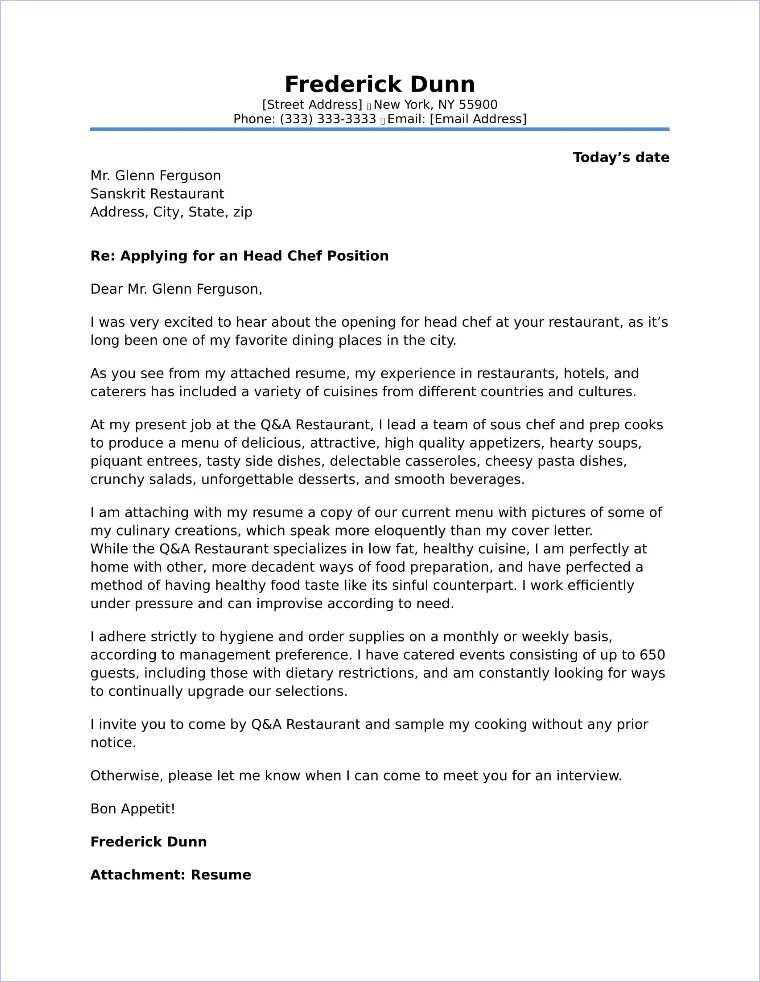
Landing your dream restaurant manager position starts with a compelling cover letter. Your cover letter is your first chance to make a strong impression on a potential employer. It should showcase your skills, experience, and passion for the restaurant industry. This guide provides a detailed look at all the must-have elements of a winning cover letter, ensuring you stand out from the competition. We’ll cover everything from the essential contact information to the critical call to action, helping you craft a cover letter that gets you noticed and secures an interview.
Key Elements of a Restaurant Manager Cover Letter
A well-structured cover letter demonstrates your attention to detail and professionalism. Here’s a breakdown of the essential components that every restaurant manager cover letter should include, ensuring you present yourself in the best possible light and capture the hiring manager’s attention from the start. Properly formatting your letter will show that you are capable of managing a team and a restaurant.
Contact Information and Date
This section ensures the recipient knows who you are and how to reach you. It should be the first thing they see and should be clearly formatted. Using a clear and consistent font will make it easy to read and professional in appearance.
Your Name and Contact Details

Begin with your full name, followed by your phone number and a professional email address. Including your LinkedIn profile URL (if applicable) is also a good idea, as it provides the hiring manager with quick access to your professional background. This shows you are up-to-date with technology and shows you are eager to share your resume. Ensure your email is professional and not something informal or outdated.
Recipient’s Information
Direct your cover letter to the hiring manager whenever possible. Include their name, title, and the restaurant’s address. If you can’t find the hiring manager’s name, address the letter to ‘Hiring Manager’. This personalized approach shows you’ve taken the time to research the company and demonstrates your attention to detail, a crucial quality for a restaurant manager. Addressing the letter correctly demonstrates your professionalism.
Professional Salutation
Start your cover letter with a professional salutation such as ‘Dear Mr./Ms./Mx. [Last Name]’ or ‘Dear Hiring Manager’. Avoid casual greetings like ‘Hi’ or ‘Hello’. The salutation sets the tone for your letter, so it is important to maintain a professional tone. If you know the hiring manager’s name, use it; otherwise, ‘Dear Hiring Manager’ is a safe and respectful option.
Body Paragraph 1 Grab Their Attention

The first paragraph is your chance to grab the reader’s attention. State the position you are applying for and briefly explain why you are interested in the role and the restaurant. Mention something specific that attracted you to the restaurant, such as its reputation, values, or a recent achievement. This demonstrates your genuine interest and shows you’ve done your homework. A strong opening paragraph will encourage the reader to continue reading and learn more about your qualifications. This is where you make that initial connection.
Highlighting Relevant Skills and Experience
The core of your cover letter should focus on showcasing your relevant skills and experience. Highlight the skills and experiences that directly match the job requirements. Use keywords from the job description to demonstrate that you are a good fit. Provide specific examples of how you have successfully managed restaurants, improved operational efficiency, and led teams to achieve goals. Quantify your achievements whenever possible to provide concrete evidence of your capabilities. Showcasing these skills is a key part of setting yourself apart.
Quantifiable Achievements
Instead of just stating what you did, demonstrate your success with numbers. For example, mention how you increased revenue by a certain percentage, reduced food costs, or improved customer satisfaction scores. Quantifiable results provide tangible proof of your abilities and make your accomplishments more impactful. Use numbers, percentages, or specific metrics to illustrate your achievements. This will show the hiring manager the value you can bring to their restaurant. For example, “Increased restaurant revenue by 15% in one year.”.
Leadership and Team Management

Restaurant managers must be effective leaders and team builders. Describe your leadership style and provide examples of how you have motivated and trained your staff, resolved conflicts, and created a positive work environment. Mention any specific leadership training or certifications you have. Highlight any experience with staff scheduling, performance evaluations, and disciplinary actions. Your ability to manage and lead a team is essential for a restaurant manager.
Body Paragraph 2 Why This Restaurant?
This paragraph should focus on why you are interested in working for this specific restaurant. It should also demonstrate that you have researched the restaurant. Avoid generic statements; instead, express your enthusiasm for the restaurant’s brand, values, or mission. Explain how your skills and experience align with the restaurant’s goals and how you can contribute to its success. This is where your research pays off, so show the reader that you have a genuine interest in working for them. Show your potential employer you understand the goals of their business.
Expressing Enthusiasm and Alignment
Convey your genuine enthusiasm for the role and the restaurant. Explain what excites you about the opportunity and why you believe you would be a good fit for their culture. Describe how your values align with the restaurant’s values. If the restaurant is known for its excellent customer service, mention your passion for providing exceptional guest experiences. The purpose is to show you care about the brand and what it represents. Show the reader how you can contribute to their success by aligning with their values.
Researching the Restaurant

Before writing your cover letter, conduct thorough research on the restaurant. Visit their website, read reviews, and check their social media profiles. Understand their menu, target audience, and any recent news or achievements. Mentioning specific details you have learned about the restaurant demonstrates your genuine interest and initiative. Show the hiring manager that you are committed to success. Tailor your letter to their brand.
Body Paragraph 3 Call to Action
Conclude your cover letter with a clear call to action. Express your interest in an interview and state your availability. Thank the hiring manager for their time and consideration. Reiterate your enthusiasm for the role and your belief that you would be a valuable asset to their team. End with a positive and confident tone. This paragraph is where you make your final push and demonstrate your initiative to be considered for the position.
Thank You and Closing
End your cover letter with a professional closing, such as ‘Sincerely’, ‘Best regards’, or ‘Yours sincerely’. Sign off with your typed name. If you are submitting a printed letter, leave space for your handwritten signature above your typed name. This final step completes your professional application. Proper formatting is key when creating a cover letter. This shows your professionalism.
Formatting and Presentation

The appearance of your cover letter is just as important as its content. Proper formatting and presentation show that you pay attention to detail and are professional. Ensure your letter is easy to read and visually appealing. Consider the overall layout, font, and spacing to create a polished and professional document.
Font and Readability
Choose a clear and readable font such as Times New Roman, Arial, or Calibri, and use a font size between 10 and 12 points. Use consistent formatting throughout your letter, including consistent spacing and alignment. Use white space to separate paragraphs and sections, making the letter easier to read and digest. Avoid using excessive formatting or distracting elements, which can detract from the content. A well-formatted letter presents you well.
Proofreading and Editing
Always proofread your cover letter carefully before submitting it. Check for any typos, grammatical errors, or punctuation mistakes. Read your letter aloud to catch any awkward phrasing or inconsistencies. It is always a good idea to have someone else review your letter for a fresh perspective. Proofreading is critical; a polished cover letter shows your attention to detail. Sending a well-written letter demonstrates your professionalism, showing that you will pay attention to detail in the workplace.
Common Mistakes to Avoid

Avoiding common mistakes can significantly increase your chances of success. Be aware of these pitfalls to ensure your cover letter makes a positive impression. By avoiding these errors, you’ll present yourself as a more prepared and professional candidate. Avoiding common errors can help you gain an edge over other applicants. These mistakes could prevent you from getting an interview.
Generic Cover Letters
Avoid using generic cover letters that could be sent to any employer. Tailor each cover letter to the specific job and restaurant. Highlight the specific skills and experiences that align with the job requirements, and express your genuine interest in that particular restaurant. Show the reader that you have taken the time to tailor your letter to their specific needs. Customized cover letters show you have done your research and you are taking this seriously.
Typos and Grammatical Errors
Carelessly written cover letters with typos or grammatical errors create a negative impression. Proofread your cover letter multiple times. Use grammar checkers and ask someone else to review it. These errors can distract from your qualifications and make you appear unprofessional. Taking the time to avoid these common mistakes will help you show your attention to detail. Make sure the cover letter is perfect to avoid any issues. This will keep the hiring manager from finding reasons to dismiss your application.
Lack of Customization

Failing to customize your cover letter shows a lack of interest and effort. Make sure to tailor your cover letter to each job. Include specific details about the restaurant and the role. Demonstrate your understanding of the restaurant’s brand, values, and mission. This shows that you have taken the time to research the restaurant. Customize your cover letter for each job application. A customized cover letter will show your unique interest in the company.