Crafting Your RBT Cover Letter
An RBT (Registered Behavior Technician) cover letter is your initial opportunity to make a positive impression and showcase your qualifications for the role. It’s more than just a formality; it’s a chance to demonstrate your understanding of the position, your enthusiasm for working with individuals with behavioral needs, and your ability to communicate effectively. This guide provides a comprehensive approach to crafting an entry-level RBT cover letter that grabs attention and highlights your potential. The goal is to secure an interview, where you can further elaborate on your skills and passion for Applied Behavior Analysis (ABA).
Understanding the Role of an RBT
Before you begin writing, it’s crucial to have a clear understanding of what the RBT role entails. RBTs work under the supervision of a BCBA (Board Certified Behavior Analyst) or BCaBA (Board Certified Assistant Behavior Analyst) to implement behavior intervention plans. This involves direct client interaction, data collection, and implementing strategies to improve social, communication, and daily living skills. Familiarize yourself with common ABA principles like reinforcement, prompting, and shaping. Understanding the responsibilities of the role will allow you to tailor your cover letter to demonstrate your suitability for this position.
Essential Skills and Qualities of an RBT

Your cover letter should highlight the skills and qualities that make you a strong candidate. While experience may be limited for entry-level positions, focus on transferable skills. These include patience, empathy, communication skills (both verbal and written), the ability to follow directions, and a strong work ethic. Highlight any experience working with children, individuals with disabilities, or in a caregiving role. Demonstrate your understanding of confidentiality and ethical considerations within the field of ABA. Mention any training or coursework related to child development, psychology, or special education.
Highlighting Relevant Experience (Even if Limited)
Even if you haven’t worked directly as an RBT, you likely have relevant experiences. Consider volunteer work, babysitting, tutoring, or any role where you’ve worked with individuals and supported their development. Describe the tasks you performed and the skills you utilized. Focus on how these experiences have prepared you for the RBT role. For example, if you’ve tutored children, emphasize your ability to explain concepts clearly and your patience. If you’ve volunteered at a special needs camp, highlight your experience in a supportive environment. Be creative, but be truthful.
Structuring Your RBT Cover Letter for Success
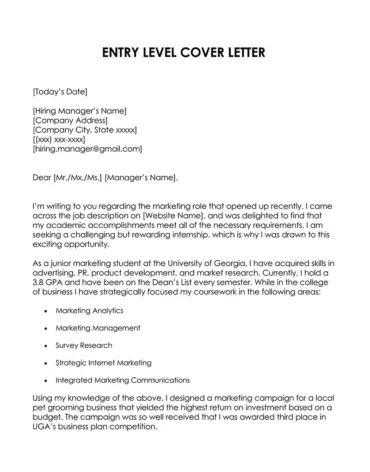
A well-structured cover letter is essential for conveying professionalism and clarity. Each section should serve a specific purpose. Organize your cover letter into the following sections Contact information and Salutation, Opening Paragraph, Body Paragraphs, Closing Paragraph. Use a clear and professional format. Make sure your cover letter is easy to read, with a font size that is appropriate and easy to understand, making it visually appealing.
Contact Information and Salutation

Start with your full name, address, phone number, and email address at the top of the letter. Then, address the hiring manager or the appropriate contact person, if known. If you don’t know the hiring manager’s name, use a general greeting such as “Dear Hiring Manager” or “Dear [Company Name] Hiring Team.” Avoid generic greetings like “To Whom It May Concern.”
Opening Paragraph: Captivating the Reader
Your opening paragraph should immediately grab the reader’s attention. State the position you’re applying for and where you found the job posting. Briefly explain why you’re interested in the role and the company. Show enthusiasm and passion. Consider including a brief statement about your understanding of ABA or your related experience. The goal is to make the reader want to continue reading.
Body Paragraphs: Showcasing Your Skills
The body paragraphs are where you demonstrate your qualifications and why you are a good fit. Focus on the essential skills and qualities, and how you demonstrate them. Use specific examples from your experience to illustrate your abilities. Highlight how your skills align with the requirements of the RBT role. Use strong action verbs to describe your experiences and responsibilities. Quantify your achievements whenever possible to give a deeper understanding of the work you have done.
Highlighting Relevant Experience

In this section, provide detailed information about your experience, even if it’s not directly related to ABA. Describe your responsibilities, the skills you developed, and how these experiences translate to the RBT role. For instance, if you worked as a camp counselor, mention your experience with behavior management, group activities, and creating a supportive environment. If you’ve volunteered at a special needs school, highlight your ability to assist individuals with different abilities.
Quantifying Your Achievements
Whenever possible, quantify your achievements. Use numbers and data to demonstrate the impact of your work. For example, instead of saying “I assisted with tutoring students,” you could say “I assisted in tutoring 10 students, resulting in a 20% improvement in their grades.” Quantifying your achievements makes your cover letter more compelling and demonstrates your ability to make a difference.
Closing Paragraph: Call to Action
Your closing paragraph should reiterate your interest in the position and express your enthusiasm to learn more. Thank the reader for their time and consideration. Include a call to action, such as “I am eager to discuss my qualifications further in an interview” or “I look forward to hearing from you soon.” Provide your contact information again, making it easy for the hiring manager to reach you.
Proofreading and Editing
Before submitting your cover letter, carefully proofread and edit it. Check for grammatical errors, spelling mistakes, and typos. Ensure that your writing is clear, concise, and professional. Consider having a friend or family member review your cover letter for feedback. A well-written, error-free cover letter shows attention to detail and professionalism.
Common Mistakes to Avoid
Avoid common mistakes that can undermine your application. These include generic cover letters, using jargon that the reader may not understand, and exaggerating your skills or experience. Also, avoid grammatical errors and typos, and do not include negative comments about previous employers. Ensure that you tailor your cover letter to each job and that it is specifically catered for that position.
Formatting and Presentation
Pay attention to the formatting and presentation of your cover letter. Use a professional font, such as Times New Roman or Arial, and a font size of 11 or 12 points. Use clear headings, bullet points, and white space to make the document easy to read. Ensure your cover letter is properly aligned and formatted, with consistent margins. Submit your cover letter as a PDF file to preserve the formatting and prevent any compatibility issues.
Tailoring Your Cover Letter

Customize your cover letter for each job application. Do not send a generic cover letter. Research the company and tailor your letter to match the specific requirements of the position and the company’s values. Refer to the job description and highlight the skills and experiences that are most relevant. Show that you understand the company’s mission and what they are looking for in a candidate.
Researching the Company
Before submitting your cover letter, research the company. Visit their website, read about their mission, and learn about their values and services. Understand their client base and the types of programs they offer. This knowledge will help you tailor your cover letter and demonstrate your genuine interest in the organization. It also enables you to incorporate keywords from the job description in your letter.
Using Keywords Effectively
Use keywords from the job description throughout your cover letter. Include phrases such as “ABA principles,” “data collection,” “behavior intervention plans,” and “client interaction.” This will show the hiring manager that you have the necessary skills and experience, and that you have carefully reviewed the job description. However, avoid keyword stuffing. Use keywords naturally and integrate them into your sentences.
The Importance of a Professional Tone

Maintain a professional tone throughout your cover letter. Use formal language and avoid slang or casual expressions. Proofread carefully to ensure there are no grammatical errors or typos. Present a positive and enthusiastic attitude. Show your genuine interest in the RBT role and express your enthusiasm for working with the organization and the client base. Ensure that your language is easy to understand and professional.
Example RBT Cover Letter
Here’s a sample RBT cover letter to guide you. Remember to customize it with your information and tailor it to the specific job. [Insert Example Cover Letter Here]. Remember to adapt the example to reflect your unique skills and experience. You can also use the example as a template to guide the structure and formatting of your letter.
Tips for Interview Preparation
If your cover letter is successful, you may be invited for an interview. Prepare for common interview questions about your experience, skills, and understanding of ABA. Be prepared to discuss ethical considerations and how you would handle challenging situations. Research the company and practice answering interview questions. Have questions prepared to ask the interviewer. This preparation is essential for making a positive impression and landing the job.
Writing a strong entry-level RBT cover letter is an essential first step in your job search. By following these guidelines, you can create a cover letter that effectively showcases your skills, experience, and enthusiasm for the role. Take your time, tailor your letter to each job, and always proofread before submitting. Good luck!