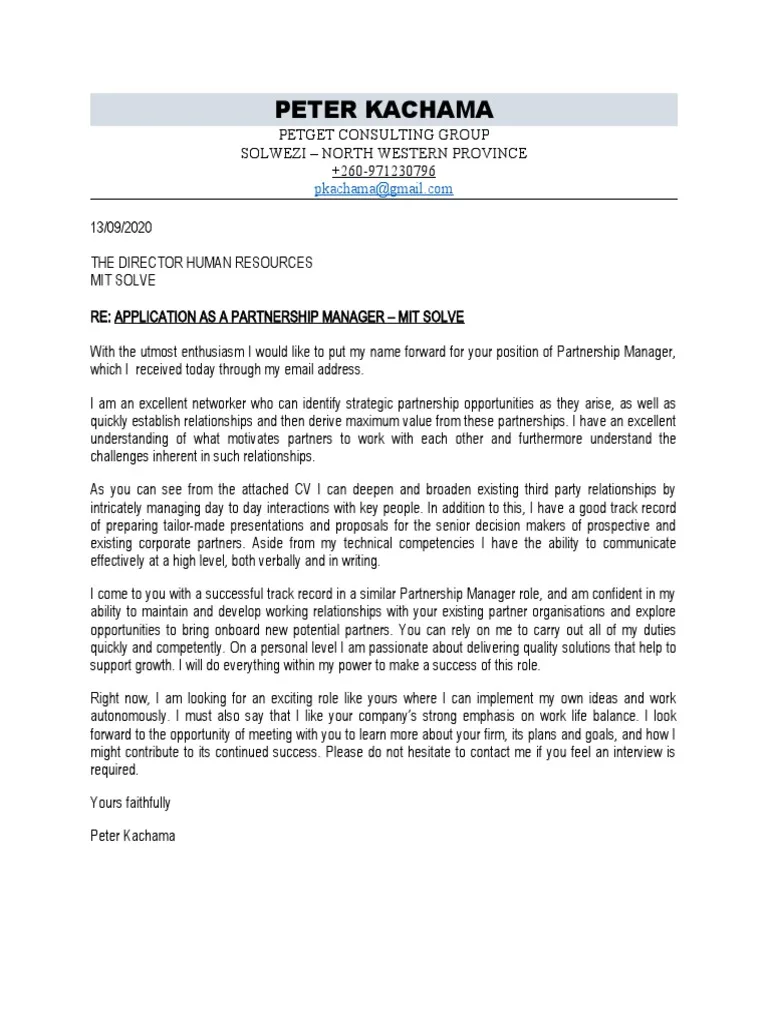
Why You Need a Standout Pet Care Cover Letter
In the competitive world of pet care, a well-crafted cover letter can be the key to unlocking your dream job. It’s your first impression, a chance to showcase your passion, skills, and experience beyond what’s listed on your resume. A generic application might get lost in the pile, but a compelling cover letter grabs the hiring manager’s attention and demonstrates why you’re the perfect fit for their team. It provides a platform to express your enthusiasm for pet care and highlight your unique qualifications, making you stand out from other applicants. A strong cover letter can significantly increase your chances of getting an interview and ultimately landing the job. Therefore, investing time in writing a standout pet care cover letter is an investment in your career.
Understanding the Role
Before you start writing, it’s crucial to understand the specific requirements of the pet care role. Whether you’re applying for a dog walker position, a veterinary assistant role, or a pet groomer job, each position demands a different set of skills and experiences. Carefully read the job description and identify the key responsibilities and qualifications the employer is seeking. This will guide you in tailoring your cover letter to address their specific needs. For instance, if the role emphasizes experience with senior dogs, highlight your relevant experience. If the job description mentions specific software or equipment, be sure to mention your proficiency in those areas. Understanding the role is the foundation for crafting a cover letter that resonates with the employer and demonstrates your suitability for the position.
Skills to Highlight

Pet care roles require a diverse skill set that goes beyond a love for animals. Your cover letter should highlight these key skills, demonstrating your competence and professionalism. Emphasize your experience in animal handling, including your ability to safely and effectively manage different breeds and temperaments. Mention any specific training or certifications you possess, such as pet first aid or dog training. Highlight your communication skills, as you’ll need to interact with pet owners and potentially other staff members. Strong organizational skills are also essential, especially if the role involves scheduling, medication administration, or maintaining detailed records. Don’t forget to emphasize your patience, empathy, and ability to remain calm under pressure. These skills will reassure the employer that you can handle the challenges of pet care.
Researching the Employer
Before sending your cover letter, research the pet care business. Understanding the company’s values, mission, and services demonstrates your genuine interest and initiative. Visit their website, read reviews, and check their social media profiles to learn more about their culture and approach to pet care. This research will allow you to tailor your cover letter to their specific needs and show the hiring manager that you’ve taken the time to learn about their organization. Mention specific aspects of the company that appeal to you, such as their commitment to animal welfare or their use of innovative pet care techniques. This will help you make a strong impression and demonstrate that you’re not just applying for any job, but specifically this opportunity.
Finding the Right Tone
The tone of your cover letter should strike a balance between professionalism and your genuine enthusiasm for pet care. It’s important to convey your passion for animals, but avoid sounding overly casual or informal. Maintain a respectful and professional tone throughout the letter, while still allowing your personality to shine through. The tone should match the culture of the company. If the company has a relaxed and friendly atmosphere, you can adopt a slightly more casual tone. However, if the company is more formal, your cover letter should reflect that.
Professional vs. Friendly

Finding the right balance between professional and friendly is important. Start with a formal opening, such as Dear [Hiring Manager Name], and use a clear, concise writing style. Show your personality by sharing a brief anecdote about your passion for animals or what draws you to pet care. Be enthusiastic, but avoid overly effusive language. Throughout the letter, show respect for the hiring manager and the company. Proofread carefully to ensure your letter is free of errors. This balance will show the hiring manager that you are capable and dedicated while still being approachable and passionate.
Key Elements of a Pet Care Cover Letter
A well-structured cover letter consists of several key elements that work together to create a compelling narrative. Each element plays a crucial role in conveying your qualifications and enthusiasm. The structure of your letter should be logical and easy to follow. Begin with an impactful opening, followed by a section highlighting your relevant experience, showcasing your passion, and addressing the employer’s needs. End with a strong call to action. This structured approach will make your cover letter stand out.
Opening with Impact
The opening paragraph of your cover letter is the first chance to capture the hiring manager’s attention. Start with a brief and impactful introduction that immediately states your interest in the position. Mention the job title and where you found the job posting. Consider including a brief, relevant anecdote that demonstrates your passion for pet care. Clearly state why you are interested in the specific role and company. Avoid generic openings; instead, show the hiring manager your personality and interest. Make it concise and to the point, leaving a positive impression.
Highlighting Relevant Experience

The body of your cover letter should highlight your relevant experience. Use specific examples to demonstrate your skills and achievements. Instead of simply listing your responsibilities, describe your accomplishments and quantify your results whenever possible. For example, if you have experience with dog walking, mention the number of dogs you’ve walked or any special needs you have accommodated. If you’ve worked in a veterinary clinic, highlight your skills with assisting with animal care, and medical procedures. This section should match the job description. Tailor this section to the specific requirements of the job, emphasizing the skills and experiences most relevant to the position.
Showcasing Your Passion
Pet care is a field where passion is essential. Your cover letter is an opportunity to showcase your love for animals and your dedication to their well-being. Share your personal connection to animals, whether it’s through volunteering at a shelter, owning pets, or simply having a lifelong love for animals. Describe what motivates you to work in pet care and why you are excited about the opportunity. This will let the employer see that you are genuinely dedicated to the role. Show them you are not just looking for a job, but that you want to improve the lives of animals.
Addressing the Employer’s Needs
The most effective cover letters directly address the employer’s needs. Carefully review the job description and identify the key skills, qualifications, and responsibilities. In your cover letter, explain how your experience and skills align with these requirements. Provide specific examples that demonstrate your ability to meet the employer’s needs. This shows the hiring manager that you understand the position and that you are capable of excelling in the role. Tailor your letter to each job application to show that you’re a good fit for the company and their needs.
Call to Action

Conclude your cover letter with a clear call to action. Reiterate your interest in the position and express your desire for an interview. Thank the hiring manager for their time and consideration. Provide your contact information, including your phone number and email address. A strong call to action encourages the hiring manager to take the next step and contact you. Consider adding a phrase such as, “I am eager to discuss my qualifications further and look forward to the opportunity.” This demonstrates your enthusiasm and initiative, leaving a positive impression.
Formatting and Structure
A well-formatted cover letter is easy to read and visually appealing. It should follow standard business letter conventions. Choose a clear and professional font, such as Times New Roman or Arial. Use a clean layout with adequate margins and spacing. Proofread your cover letter to eliminate any typos and grammatical errors. Organize the content into clear paragraphs and use headings to make it easy for the hiring manager to scan. This demonstrates your professionalism and attention to detail.
Choosing the Right Font
The font you choose contributes to your cover letter’s readability and professionalism. Stick to standard fonts, such as Times New Roman, Arial, or Calibri. Avoid unusual or overly decorative fonts that could be distracting. The font size should be between 10 and 12 points. Make sure the font is easy to read and aligns with the overall professional tone of your letter.
Maintaining Brevity

Keep your cover letter concise and to the point. Aim for one page, or a maximum of two pages if you have extensive experience. Avoid lengthy paragraphs and excessive details. Focus on the most relevant information and skills. Hiring managers often have many applications to review, so a brief, well-written cover letter is more likely to be read carefully. Use clear and concise language to express your qualifications.
Proofreading and Editing
Before submitting your cover letter, carefully proofread and edit it for any errors. Typos and grammatical mistakes can create a negative impression and undermine your credibility. Read your cover letter multiple times, looking for any mistakes. Check for correct spelling, punctuation, and grammar. Have a friend or family member review it as well. A fresh pair of eyes can often catch errors you might have missed. Proofreading demonstrates your attention to detail, so take the time to perfect your cover letter.
Tailoring Your Cover Letter
Avoid using a generic cover letter for every job application. Tailor your cover letter to each specific position. This shows the hiring manager that you’ve taken the time to understand the role and the company. Customize the content by highlighting the skills and experiences most relevant to the specific job description. Mention the company’s name and address the specific requirements. Personalize your cover letter by referencing the company’s values or mission. Show that you are genuinely interested in the role and the company.
Analyzing the Job Description

The job description is the most important resource when tailoring your cover letter. Carefully read the job description and identify the key requirements and qualifications the employer is seeking. List the required skills and experiences. Then, review your own skills and experiences and identify how they match the job requirements. In your cover letter, highlight the skills and experiences that align with the job description. This shows the hiring manager that you are a good fit for the position. The more you tailor your letter, the better your chances of getting an interview.
Using Keywords Strategically
In addition to tailoring the content of your cover letter, use keywords strategically. Review the job description and identify the key terms and phrases used to describe the role. Then, incorporate these keywords into your cover letter naturally and appropriately. This is important because some employers use applicant tracking systems (ATS) to screen applications, and these systems often search for keywords. Strategically using keywords increases the likelihood that your application will be noticed. Do not overdo it. The focus should be on clarity and readability.
Common Mistakes to Avoid
Even the most enthusiastic pet care professionals can make mistakes in their cover letters. Knowing the common pitfalls to avoid can improve your chances of getting hired. Avoid common mistakes to make your cover letter the best it can be. It is important to be thoughtful when writing your cover letter.
Generic Cover Letters
Submitting a generic cover letter is a major mistake. Hiring managers can easily spot generic letters, which are often ignored. Avoid using templates or canned phrases that are not specific to the role. Tailor your cover letter to each job application. Mention the company by name and address the specific requirements. Show the hiring manager that you have taken the time to understand the role and the company. Personalize your cover letter and avoid generic language.
Typos and Grammatical Errors
Typos and grammatical errors create a poor first impression. Proofread your cover letter carefully before submitting it. Use a spell checker and grammar checker. Also, have a friend or family member review it for errors. Typos and grammatical errors demonstrate a lack of attention to detail, which is essential in pet care. Make sure that your cover letter is polished and professional, which shows the hiring manager that you pay attention to detail.
Ignoring the Employer’s Instructions
Always follow the employer’s instructions. Carefully read the job posting and any application instructions. If the instructions ask for a specific format or require you to submit your cover letter in a certain way, follow those instructions. Ignoring the instructions shows a lack of attention to detail and may result in your application being rejected. Demonstrate your ability to follow instructions by carefully adhering to the requirements.
The Importance of a Strong Closing
The closing of your cover letter is just as important as the opening. It’s your final opportunity to make a positive impression. Reiterate your interest in the position. Thank the hiring manager for their time and consideration. A clear call to action encourages the hiring manager to contact you. By crafting a strong closing, you can increase your chances of getting an interview and landing your dream job in pet care. A well-written cover letter is essential for career success.