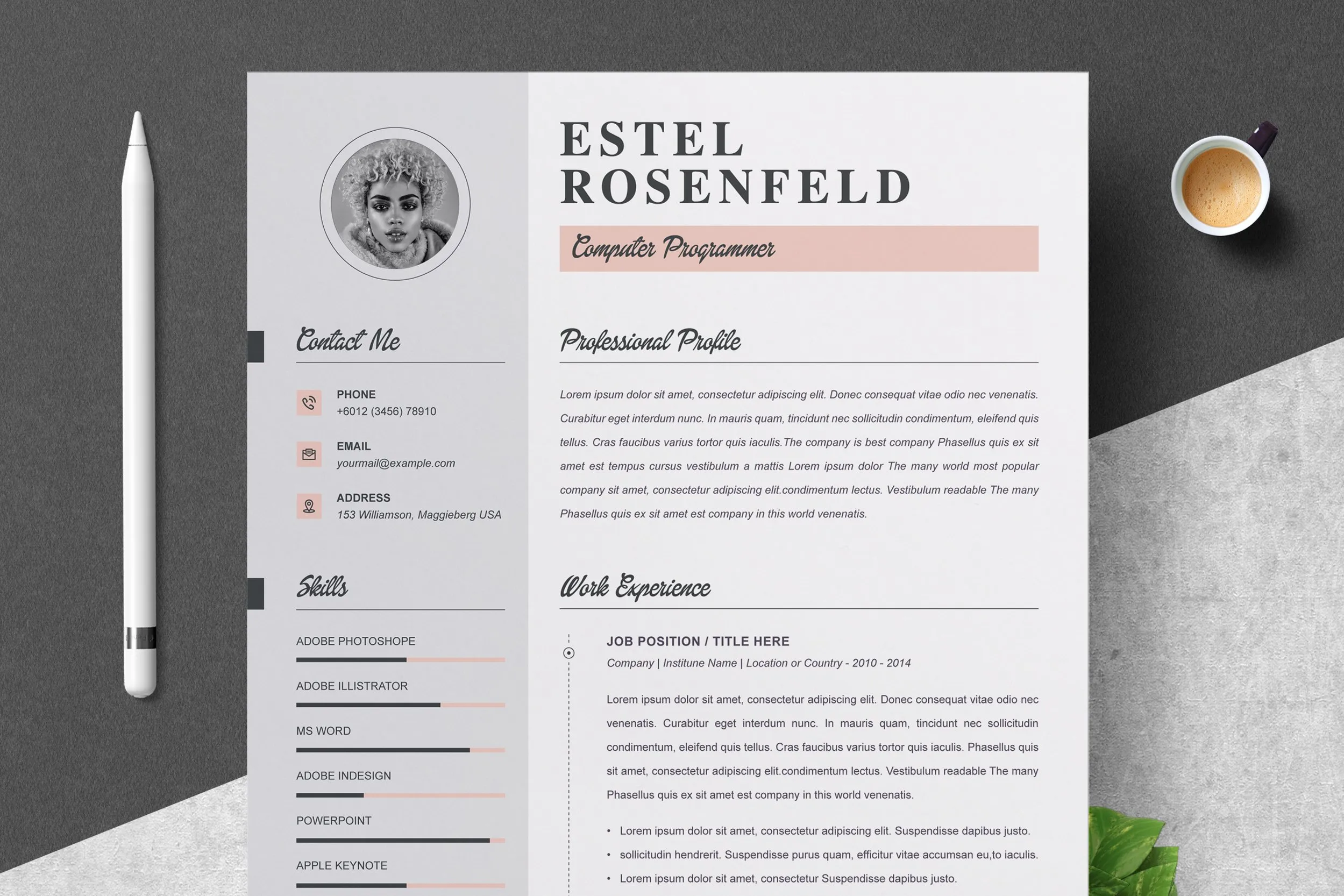
What is a Microsoft Word Resume Template?
A Microsoft Word resume template is a pre-formatted document designed to help you create a professional-looking resume quickly and easily. These templates provide a structured framework, including sections for your contact information, work experience, education, skills, and other relevant details. By using a template, you can save time on formatting and design, allowing you to focus on the content of your resume and showcase your qualifications effectively. Templates often come in various styles, from simple and minimalist to more elaborate and creative designs, catering to diverse industry standards and personal preferences. They serve as a foundation, ensuring your resume presents a polished and organized appearance, which is crucial for making a positive first impression on potential employers.
Why Use a Microsoft Word Template?
Utilizing a Microsoft Word template offers several significant advantages in the job application process. Primarily, templates streamline the resume creation process, saving you considerable time and effort. Instead of starting from scratch, you can simply input your information into the pre-designed sections, making it faster to build a well-structured resume. Moreover, templates often incorporate best practices in resume formatting, ensuring your document is easy to read and visually appealing. This professional appearance can significantly enhance your chances of catching the attention of hiring managers. Furthermore, Word templates allow for easy customization, enabling you to personalize your resume to match specific job requirements and reflect your unique skills and experiences. They are also readily accessible and widely compatible, ensuring that your resume can be opened and viewed by anyone, regardless of their operating system or software.
Benefits of Microsoft Word Resume Templates
Time-Saving and Efficiency
One of the primary benefits of using a Microsoft Word resume template is the significant time savings it offers. Creating a resume from scratch can be a lengthy and complex process, involving formatting, layout design, and structure planning. Templates eliminate much of this groundwork by providing a pre-designed format, allowing you to focus solely on the content of your resume. This efficiency is particularly valuable when applying for multiple jobs, as you can quickly customize the template for each position, tailoring your resume to highlight the most relevant skills and experiences. Templates provide a ready-made framework, which dramatically reduces the time spent on creating a professional-looking document, letting you concentrate on crafting compelling content that accurately reflects your qualifications and career aspirations.
Professional Appearance
Microsoft Word resume templates are designed to help you create resumes that have a professional appearance. The pre-formatted layouts often include sections that are strategically placed to present your information in a clear and organized manner. This structured approach is crucial for making your resume easy to read and allowing recruiters to quickly find the information they need. Templates typically incorporate design elements such as clean fonts, consistent spacing, and well-defined sections, contributing to a polished and visually appealing document. This professionalism not only enhances your credibility but also demonstrates that you pay attention to detail, a quality that employers value highly. A well-designed resume, thanks to the template, can make a significant difference in how your application is perceived, increasing your chances of getting noticed by potential employers.
Customization Options

Microsoft Word templates offer a high degree of customization, allowing you to personalize your resume to match your unique qualifications and the specific requirements of a job. While templates provide a structured foundation, they are flexible enough to be adapted to your individual needs. You can easily change fonts, colors, and layouts to create a resume that aligns with your personal brand or the industry standards. Sections can be added, removed, or reordered, allowing you to emphasize your most relevant skills and experiences. This level of customization ensures that your resume reflects your individual personality and career goals, making it stand out from generic applications. The ability to tailor your resume to different job descriptions significantly enhances your chances of getting selected for an interview, as it demonstrates that you have carefully considered the employer’s needs and presented yourself as the best fit for the role.
How to Choose the Right Microsoft Word Template
Consider Your Industry and Experience Level
Selecting the right Microsoft Word resume template is crucial for making a strong impression. Start by considering your industry and experience level, as different fields often have different resume style preferences. For example, a creative industry might favor a more visually appealing template, while a corporate environment might lean towards a clean and professional design. Entry-level candidates may benefit from templates that emphasize skills and education, whereas experienced professionals might prefer formats that highlight their work history and achievements. Look for templates that complement your professional background and the specific requirements of the jobs you are targeting. It’s also helpful to research the standard resume formats within your field to ensure your chosen template aligns with industry norms.
Formatting and Design

The formatting and design of a resume template significantly impact its readability and overall appeal. When choosing a template, pay close attention to the font choices, spacing, and layout. Opt for templates with clear, easy-to-read fonts and sufficient white space to prevent the document from appearing cluttered. The design should be professional and consistent, with a logical flow that guides the reader through your information. Avoid templates with overly complex designs or distracting visual elements, as these can detract from your content. Consider the balance between text and graphics, ensuring that any design elements enhance rather than detract from your professional presentation. A well-designed template ensures that your qualifications are presented in the most effective and accessible way, increasing your chances of getting your resume noticed by hiring managers.
Finding Microsoft Word Resume Templates
Microsoft Office Templates
One of the easiest ways to find Microsoft Word resume templates is through the built-in template library within Microsoft Word itself. When you open Word, you’ll typically see a selection of pre-designed templates available directly on the start-up screen. These include a variety of resume templates, ranging from basic to more complex designs. Simply search for ‘resume’ or ‘cover letter’ in the search bar to browse the available options. These templates are free to use and are already compatible with your Word software, making them a convenient and accessible choice. They offer a good starting point for creating a professional-looking resume, especially for those new to the job search process. The templates can be easily modified to fit your specific needs and information.
Online Template Marketplaces

Numerous online marketplaces offer a vast selection of Microsoft Word resume templates. Websites like Etsy, Creative Market, and Envato Elements feature a wide range of templates created by professional designers. These marketplaces often provide both free and premium options, allowing you to choose a template that matches your style and budget. Premium templates typically offer more advanced designs and features, such as multiple color schemes, additional layout options, and sometimes even cover letter and reference templates. When browsing online, pay attention to the reviews and ratings to ensure the template is well-designed and user-friendly. Also, check the file format compatibility to confirm that it works with Microsoft Word. Exploring online marketplaces gives you access to a diverse range of designs, helping you create a resume that stands out from the competition.
Creating Your Resume Using a Microsoft Word Template
Downloading and Opening the Template
Once you’ve selected a Microsoft Word resume template, the first step is to download it. Ensure that you download the template in a .docx format, which is compatible with Microsoft Word. After downloading, open the file in Word. Familiarize yourself with the layout and pre-formatted sections, as this will guide your input of personal information. Some templates may require you to enable editing or macros, depending on the features they use. Always save a copy of the template before you begin to modify it, preserving the original design. This allows you to revert to the original if you make any changes you’re not happy with. Opening the template correctly is the essential initial step to ensure a smooth resume creation process.
Filling in Your Personal Information

The next step involves filling in your personal information within the designated sections of the template. This typically includes your full name, contact details (phone number, email address, and professional social media profiles), and sometimes a professional headshot. Ensure the contact information is accurate and up-to-date, as this is how potential employers will reach you. Carefully review the formatting of each section and adjust your text to fit seamlessly. Make sure your name is clearly displayed and that your contact information is easy to find. Using a professional email address is recommended. Double-check all entries for any typos or errors. Providing complete and accurate personal details is critical for making a positive first impression and facilitating communication with potential employers.
Writing Your Resume Sections
With your personal information in place, the core task is to write the content for each section of your resume. Focus on highlighting your skills, experiences, and achievements in a clear, concise, and compelling manner. The essential sections typically include an objective or summary, work experience, education, and skills. Tailor the content to each job application, emphasizing the aspects of your background that are most relevant to the specific role. Use action verbs to describe your responsibilities and accomplishments, and quantify your achievements whenever possible. Keep the language professional and avoid jargon. The goal is to provide a comprehensive overview of your qualifications in a format that captures the attention of recruiters and demonstrates your suitability for the position.
Objective or Summary
The objective or summary section is your chance to make a strong first impression. An objective statement focuses on your career goals, while a summary highlights your key skills and experiences. Choose the option that best suits your experience level and the job requirements. If you are an entry-level candidate, an objective stating your career aspirations may be appropriate. For experienced professionals, a summary that showcases your core competencies and significant achievements is often more effective. This section should be brief, typically no more than a few sentences, and should be tailored to each specific job. Clearly state your career intentions or highlight the skills that make you a great fit. This is your elevator pitch for a potential employer.
Experience

The experience section is where you list your work history, detailing your responsibilities and accomplishments in each role. Use reverse-chronological order, starting with your most recent position. For each job, include the job title, company name, dates of employment, and a brief description of your responsibilities. More importantly, quantify your achievements and showcase your impact. Instead of simply listing tasks, describe what you accomplished, using action verbs and providing measurable results. For example, you might write, ‘Increased sales by 15% within six months’ or ‘Managed a team of five employees.’ This section is critical for demonstrating your skills and value to prospective employers. Tailor each description to the specific job description, emphasizing the skills and experiences that align with the employer’s needs.
Education
In the education section, include your academic qualifications, such as degrees, diplomas, and certifications. List the name of the institution, the degree earned, the major, and the dates of attendance or graduation. You may also include honors, awards, or relevant coursework if they are pertinent to the job application. If you have a significant amount of work experience, you can place the education section towards the end of your resume. However, if you are an entry-level candidate, highlighting your education early on can be beneficial. Ensure that all educational information is accurate and up-to-date. This section helps employers to understand your background and assess your formal training.
Skills
The skills section is a concise summary of your key abilities and competencies. Categorize your skills into relevant groups, such as technical skills, soft skills, and language proficiencies. Include skills that are specifically mentioned in the job description or that are relevant to the position you are applying for. Be honest and accurate when listing your skills, and consider including your proficiency level (e.g., proficient, intermediate, or beginner) for each skill. This section provides a quick overview of your qualifications and allows recruiters to see if you possess the necessary skills for the role. By carefully selecting and organizing your skills, you can make your resume more targeted and effective.
Customizing Your Resume
Formatting Tips
Customizing your Microsoft Word resume template involves several formatting considerations. Ensure consistent font usage throughout the document. Choose a professional font like Arial, Calibri, or Times New Roman, and maintain a consistent size for headings, subheadings, and body text. Pay attention to spacing and alignment; use clear and consistent spacing between sections and paragraphs. Utilize bullet points to organize information in the experience and skills sections, making the content easier to read. Use bolding, italics, or underlining sparingly and strategically to emphasize key information. Keep the formatting clean and organized, with a focus on readability and visual appeal. Consistent formatting enhances the professionalism of your resume and improves its overall impact.
Font Choices
Selecting the right font is crucial for the readability and overall appearance of your resume. Choose a font that is professional and easy to read, such as Arial, Calibri, or Times New Roman. These fonts are widely recognized and have a clean, simple design that won’t distract from your content. Avoid using overly stylized or decorative fonts, as they can be difficult to read and may not be suitable for professional applications. Maintain consistency in your font choices throughout the entire document. Use a slightly larger font size for headings and a smaller size for body text. Ensure that the font size is appropriate for the content and does not make the document appear cramped or sparse. A well-chosen font enhances the professionalism and clarity of your resume.
Margins and Spacing
Proper margins and spacing are critical for ensuring your resume looks organized and professional. Set consistent margins throughout the document, typically one inch on all sides. This creates a visual frame around your content, making it easier to read. Use adequate spacing between sections, headings, and paragraphs. White space is your friend; it prevents the document from looking cluttered and helps guide the reader’s eye. Avoid overcrowding your text; ensure there is sufficient space between lines and paragraphs. Use consistent spacing throughout your resume to achieve a polished and professional appearance. Adjust the spacing to ensure that the content is well-balanced and visually appealing, contributing to a positive impression on the reader.
Color and Design Elements
While Microsoft Word resume templates often provide a basic layout, you can customize the color and design elements to make your resume more visually appealing. Use color sparingly and strategically. Choose a professional color scheme that complements the tone and industry of the job you are applying for. Consider using a single accent color to highlight headings or key information, but avoid overusing color, as it can be distracting. Pay attention to the use of lines, borders, and other design elements, ensuring that they are used consistently and tastefully. A well-designed resume should be visually appealing but professional, avoiding excessive ornamentation. The color and design should enhance readability and organization, contributing to an overall positive impression.
Creating a Cover Letter with Microsoft Word
Cover Letter Template Essentials
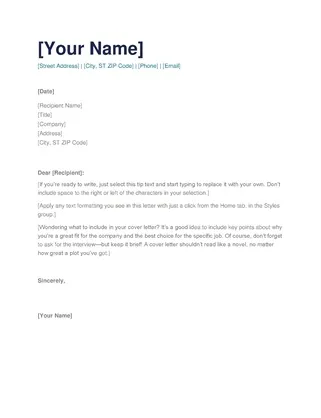
Creating a cover letter in Microsoft Word is similar to creating a resume. Begin by selecting a cover letter template, which is usually available within Microsoft Word’s template library or from online sources. A cover letter template provides a structure for your letter, including sections for your contact information, the date, the recipient’s information, a formal salutation, and the body of the letter. The essential elements of a cover letter template include a well-crafted introduction, a body that showcases your skills and experiences, and a strong conclusion that expresses your interest in the position. Templates offer a starting point and ensure that you include the necessary information in the appropriate format. The choice of a template that complements your resume’s design can create a cohesive application package.
Personalizing Your Cover Letter
Personalizing your cover letter is crucial for making a strong impression on potential employers. While the template provides the structure, the content must be tailored to each specific job application. Address the hiring manager by name whenever possible; personalize your introduction to capture their attention and express your enthusiasm for the opportunity. In the body of the letter, highlight the skills and experiences most relevant to the job description, and provide specific examples of your accomplishments. Explain why you are interested in the company and how your skills align with their values and goals. The personalized approach demonstrates that you have taken the time to research the role and the organization, increasing your chances of securing an interview.
Proofreading and Editing
Proofreading and editing are the final steps in ensuring your resume and cover letter are polished and professional. Carefully review your documents for any grammatical errors, spelling mistakes, and typos. Consider using spell-check and grammar-check tools, but don’t rely on them entirely; these tools may miss subtle errors. Read your documents aloud to catch awkward phrasing or unclear sentences. Ask a friend, family member, or career counselor to proofread your documents for a fresh perspective. Correct any errors, and ensure that your writing style is consistent and professional. Errors in a resume or cover letter can reflect poorly on your attention to detail. Thorough proofreading and editing are essential for presenting a positive and professional image.
Saving and Submitting Your Resume and Cover Letter
File Formats
When saving your resume and cover letter, choose the appropriate file format. While Microsoft Word’s .docx format is widely compatible, it is sometimes recommended to save your documents as PDFs (Portable Document Format). PDFs preserve the formatting of your documents, ensuring that they look the same regardless of the recipient’s software or operating system. This is particularly important if you have used custom fonts or design elements. Always check the job application instructions to see if there are any specific requirements for the file format. If the application doesn’t specify a preferred format, a PDF is usually the safest option. Ensure your file names are clear and professional (e.g., ‘Your Name_Resume.pdf’ or ‘Your Name_CoverLetter.pdf’).
Best Practices for Submission
Follow best practices when submitting your resume and cover letter. Carefully review the job application instructions for specific submission guidelines. If the application requires you to upload your documents, make sure you upload the correct files and that the file names are accurate. Send your documents as attachments unless the application specifies a different method. If sending via email, include a brief, professional subject line and a polite message in the body of the email. Always proofread your email before sending it. Be mindful of the file size limits if uploading documents. Ensure that all the necessary documents are included, such as references or a portfolio, if requested. Paying attention to these details will help create a positive impression and increase your chances of getting noticed.
Common Mistakes to Avoid
Template Customization Issues
Avoid common mistakes when customizing your Microsoft Word resume template. Ensure that you don’t accidentally overwrite the original template. Always save a copy of the template before making changes to preserve the original design. Be careful when altering the template’s formatting; if you make significant changes, ensure they don’t compromise the readability of your resume. Make sure that all sections are filled in completely; omitting information can make your resume seem incomplete. If you’re having trouble with specific formatting elements, seek help from Word’s help resources or consult online tutorials. Thoroughly review the document to ensure there are no formatting inconsistencies or errors. Taking care with these technical details helps you create a professional resume.
Content Errors
Several content errors can undermine the effectiveness of your resume. Avoid typos and grammatical errors; carefully proofread your document before submitting it. Ensure that your content is accurate and up-to-date; review all dates, job titles, and company names. Don’t include irrelevant information; tailor your resume to the specific job description, highlighting the most relevant skills and experiences. Avoid clichés and jargon; use clear, concise, and professional language. Don’t exaggerate your accomplishments; be honest and factual in your descriptions. Be consistent in your use of language and formatting throughout the document. These content-related issues are crucial for making your resume impressive and professional.
Troubleshooting Tips
If you encounter any issues while using a Microsoft Word resume template, there are several troubleshooting tips to consider. If you are unable to edit the template, ensure that the document is not protected and that you have enabled editing mode. If the formatting is not displaying correctly, try opening the template in a different version of Microsoft Word or on a different computer. For font issues, ensure the font you selected is installed on the system you are using. If you have issues with the layout, experiment with adjusting the margins, spacing, and alignment settings. Consult Microsoft Word’s help resources or search online forums for specific solutions to common problems. Many templates have online tutorials to assist with customizations. Troubleshooting can ensure that you’re able to properly create and tailor your resume.
In conclusion, using a Microsoft Word resume template offers a streamlined and effective way to create a professional resume and cover letter. By following the steps outlined in this guide – selecting the right template, customizing the content, and paying attention to formatting and presentation – you can craft documents that capture employers’ attention. Remember to tailor your resume to each job application and ensure your resume is error-free and easy to read. A well-crafted resume, created using a Microsoft Word template, will significantly enhance your job search efforts, increase your chances of getting an interview, and ultimately help you land your dream job. With careful preparation and attention to detail, your resume and cover letter can effectively showcase your qualifications and help you stand out in a competitive job market.