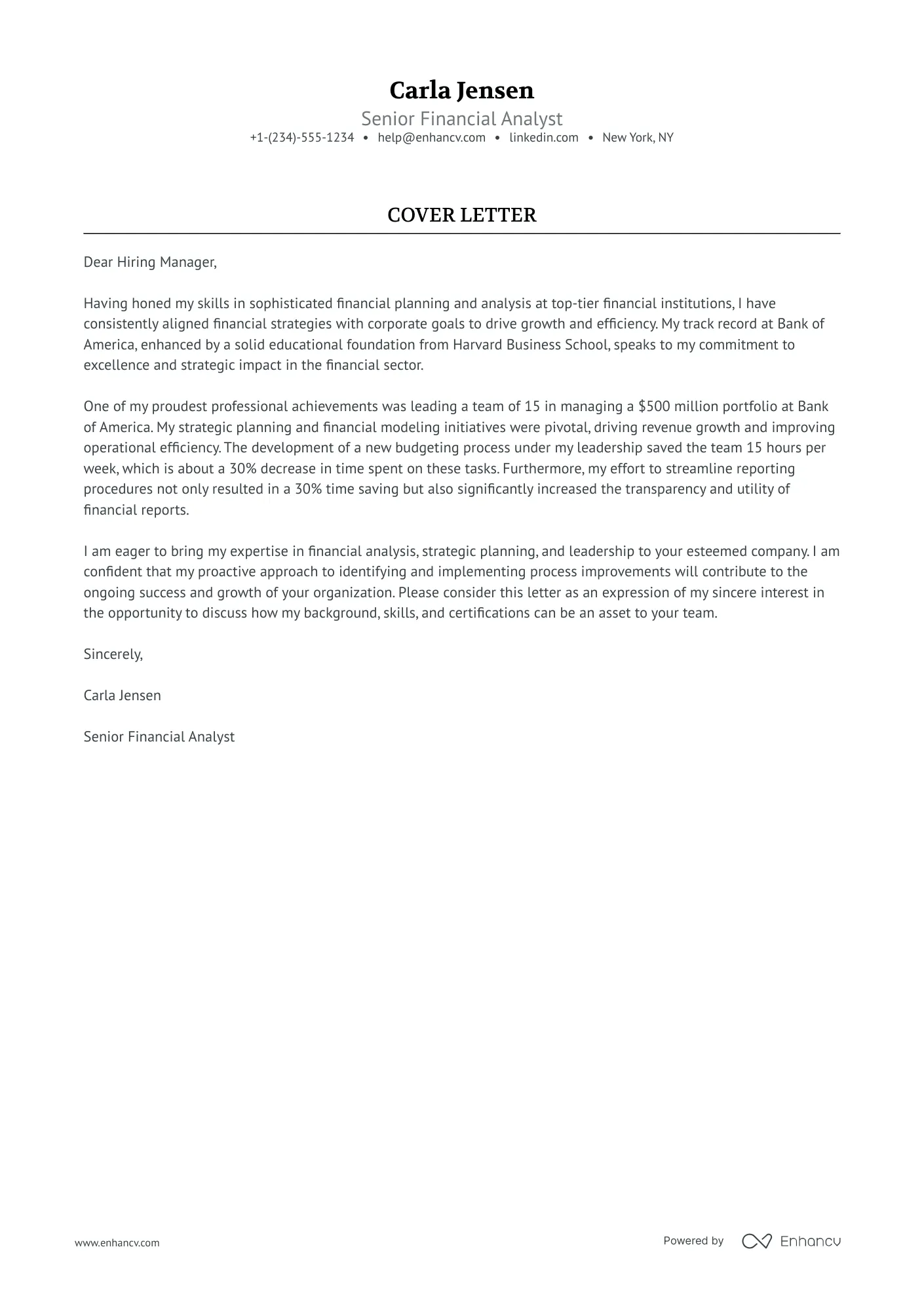
Crafting a Winning MBA Cover Letter
An MBA cover letter is your first impression on potential employers, a crucial tool in securing your dream job. It’s more than just a formality; it’s an opportunity to showcase your unique skills, experiences, and the value you can bring to an organization. A well-crafted letter highlights your accomplishments and demonstrates your understanding of the company and the specific role. This guide provides the top secrets to crafting an impactful cover letter that grabs the attention of hiring managers and sets you apart from other MBA graduates. It should not just rehash your resume; it should tell a compelling story of your career aspirations and why you are the best fit for the position.
Highlighting Your MBA Accomplishments
Your MBA journey is packed with achievements, and your cover letter is the perfect place to showcase them. Focus on the skills and knowledge you’ve gained, such as strategic thinking, financial analysis, marketing expertise, or leadership capabilities. Illustrate how your MBA has prepared you to tackle real-world business challenges. It is important to provide concrete examples of your achievements, emphasizing what you have accomplished and the impact it had. Remember to align your accomplishments with the requirements of the job you are applying for. The goal is to demonstrate the tangible value you can bring to the company.
Quantifying Your Achievements

Use numbers, percentages, and specific data to quantify your accomplishments. Instead of saying ‘Improved sales,’ say ‘Increased sales by 15% in Q4.’ Quantifying your achievements makes them more credible and demonstrates your ability to deliver results. For instance, if you led a team project, mention the budget, the resources you managed, or any cost savings achieved. Providing measurable results makes your achievements more compelling and shows the employer the value you bring. Consider using metrics like ‘reduced operational costs by X%’, ‘increased customer satisfaction by Y%’, or ‘successfully launched Z project.’
Showcasing Leadership Skills
MBA programs often emphasize leadership, so highlight any leadership roles you’ve held, such as team lead, project manager, or club president. Describe your leadership style and how you motivate and guide teams to achieve goals. Provide specific examples of how you have led or influenced others. For example, if you spearheaded a project, detail how you delegated tasks, resolved conflicts, and ensured the team met its objectives. You can describe your ability to inspire and drive a group of people. Include examples like, ’led a team of X members to complete Y project ahead of schedule and under budget.’
Demonstrating Relevant Experience
Connect your previous work experience with the job requirements. Focus on the skills and experiences most relevant to the position you’re applying for. This involves providing specific examples of projects, responsibilities, and accomplishments that align with the job description. Think about your internship experiences, consulting projects, or any significant work experience. If you have experience in a particular industry or function, highlight it. If you’re transitioning careers, explain how your past skills and experiences are transferable to the new role. Use keywords from the job description to emphasize this alignment.
Tailoring Your Cover Letter

A generic cover letter is easily spotted and often discarded. Tailoring your letter to each job application is crucial. It demonstrates that you have invested time and effort to understand the role and the company. Personalization shows you have a genuine interest and that you’re not just sending out mass applications. Take the time to research each company and role, then customize your letter to highlight relevant skills and experiences.
Researching the Company and Role
Before you start writing, research the company. Understand its mission, values, culture, and recent achievements. Visit the company website, read news articles, and check their social media profiles. Analyze the job description carefully. Identify the key requirements, responsibilities, and desired skills. Tailor your cover letter to match the job requirements, highlighting how your skills align with their needs. Showing your understanding of the company and role demonstrates your genuine interest and commitment.
Customizing Your Letter for Each Application
Once you understand the company and role, tailor your cover letter to fit. Use keywords from the job description, and highlight the skills and experiences that match the requirements. Address specific needs mentioned in the job description and explain how you can contribute to the company’s goals. Modify your letter for each application, even if you are applying for similar positions. Avoid using a generic template; personalize the content to demonstrate that you are genuinely interested and prepared for the role. Every cover letter must reflect your understanding of the specific job and the company’s requirements.
Using Keywords Effectively

Job applications often go through an Applicant Tracking System (ATS). Use keywords from the job description to ensure your cover letter passes through this screening. Identify the most important keywords and phrases related to the role and integrate them naturally into your cover letter. The more keywords you match, the more likely it is that your application will be reviewed by a human. Avoid keyword stuffing, which makes your cover letter sound unnatural. Instead, use keywords in a way that enhances your narrative and demonstrates your qualifications.
Structuring Your Cover Letter for Impact
A well-structured cover letter is easy to read and makes a positive impression. Structure your letter with an engaging opening, a strong body, and a compelling closing. Each paragraph should have a clear purpose and contribute to the overall message. It is important to make it flow naturally and highlight key points effectively. The correct structure is essential for engaging the reader and making your case. Consider the impact of each paragraph as a key to maximizing your chances.
The Opening Paragraph
The opening paragraph is your first chance to grab the reader’s attention. Start with a strong statement that immediately indicates your interest in the role and the company. Briefly mention how you learned about the opportunity and why you are a good fit. State your strongest qualifications and express your enthusiasm. Make your opening concise and to the point, making sure to capture the reader’s interest and encouraging them to read on. Create an immediate connection that will make them want to read the rest of your application.
The Body Paragraphs

The body of your cover letter is where you elaborate on your skills, experiences, and accomplishments. Use several paragraphs to address the key requirements of the job description. Provide specific examples and quantifiable results to demonstrate your value. Focus on the most relevant experiences and highlight how your skills align with the needs of the role. Use clear and concise language, and make each paragraph focused and impactful. Ensure the body of your cover letter is interesting, engaging, and makes a convincing case for why you are the right candidate.
The Closing Paragraph
Conclude with a strong closing paragraph that reiterates your interest and expresses your desire to learn more. Reiterate your key qualifications and thank the reader for their time and consideration. Include a call to action, such as inviting the hiring manager to contact you for an interview. End with a professional closing, such as ‘Sincerely’ or ‘Best regards,’ followed by your name. Ensure the closing paragraph is confident and leaves a positive final impression, reinforcing your enthusiasm and suitability for the position.
Formatting and Design Best Practices
The appearance of your cover letter is as important as its content. Use a professional format and design to create a positive impression and make your cover letter easy to read. The goal is to create a document that is aesthetically pleasing and well-organized.
Choosing the Right Font and Layout

Choose a professional font, such as Times New Roman, Arial, or Calibri, for your cover letter. Keep the font size between 11 and 12 points for easy readability. Use a standard layout with 1-inch margins and double-space between paragraphs. Ensure the letter is well-organized with clear headings and subheadings to break up the text. Avoid using too many colors or distracting design elements; the focus should be on your content. A clean and professional layout makes your cover letter more appealing and easier to review.
Proofreading and Editing Meticulously
Proofread your cover letter carefully for any errors in grammar, spelling, and punctuation. Errors can undermine your credibility and make a negative impression. Read your cover letter multiple times and use spell-check and grammar-check tools. Consider having a friend, mentor, or career advisor review your letter for feedback. Pay attention to detail and ensure the letter is free from any errors before submitting it. Thorough proofreading shows your attention to detail and professionalism.
In conclusion, a strong MBA cover letter is vital for MBA graduates to land their dream jobs. By following these tips, MBA graduates can craft a cover letter that highlights their accomplishments, demonstrates their skills, and makes a compelling case for why they should be hired. Remember to tailor your letter to each application, use relevant keywords, and present your qualifications in a clear, concise, and professional manner. Good luck!