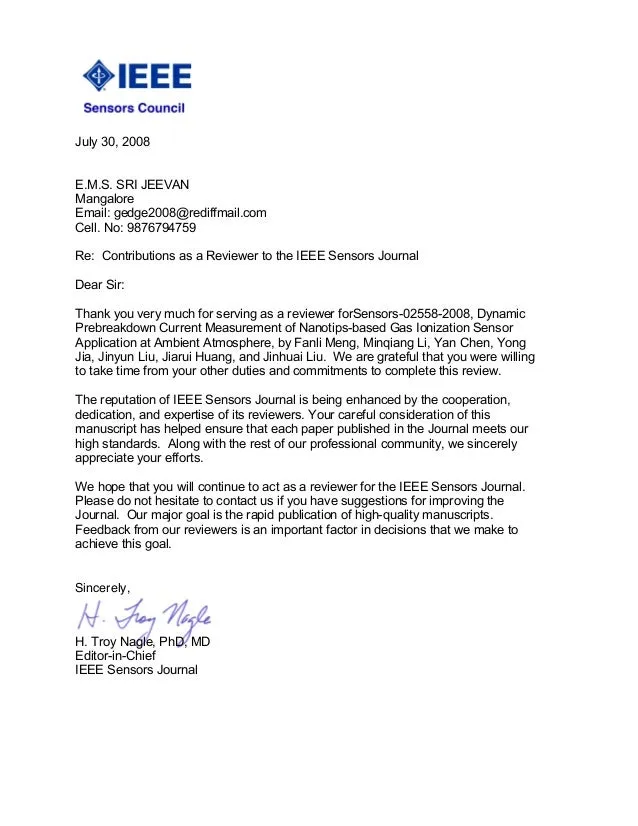
Understanding the Manuscript Submission Cover Letter
The manuscript submission cover letter is a crucial document accompanying your research paper when submitting it to a journal. Often overlooked, it’s your first, and sometimes only, direct communication with the journal editor. A well-crafted cover letter serves multiple purposes, from introducing your work to highlighting its significance and compliance with journal guidelines. It’s not merely a formality, but a strategic tool that can significantly influence the editor’s initial perception of your manuscript. This introduction sets the stage for understanding the importance of a compelling cover letter and its role in the publication process.
Purpose of a Cover Letter
The primary purpose of a cover letter is to persuade the editor that your manuscript is suitable for their journal. It provides a concise overview of your research, emphasizing its novelty, importance, and alignment with the journal’s scope and audience. Furthermore, a cover letter establishes a professional tone and provides essential information about the authors, manuscript details, and any potential conflicts of interest or ethical considerations. Properly written cover letters help journals by ensuring that submissions are quickly identified and proceed efficiently through the peer review process. Proper formatting and professional tone can also help your submission avoid the trash bin.
Key Components of a Cover Letter

A well-structured cover letter includes several key elements that work together to present your research effectively. These components include author information, manuscript details, a compelling explanation of why the journal is a good fit, a summary of the key findings, a statement on ethical considerations, and a declaration of any potential conflicts of interest. Each of these sections plays a vital role in making a positive impression on the editor. The absence of any crucial component could lead to the automatic rejection of your manuscript before the peer review process even begins. The structure and approach is almost as important as the content.
Author Information
Begin with your contact information and that of any co-authors. Provide the corresponding author’s details, including full name, affiliation, email address, and phone number. This information is essential for the journal to communicate with the authors and manage the manuscript throughout the review and publication process. Make sure all the contact details are up-to-date and accurate. This is where the editor will contact you for any questions or concerns. Any omissions will lead to delays.
Manuscript Details
Clearly state the title of your manuscript and confirm the manuscript type (e.g., original research article, review article, case study). Mention the word count, number of figures, and tables included. Indicate the intended journal and its specific requirements, if any. This information helps the editor quickly understand the scope and nature of your submission. Any mismatch here will make your manuscript appear non-compliant.
Why is this Journal the Best Fit?

Articulate why your research is a suitable fit for the target journal. Briefly describe the journal’s scope and audience, and explain how your work aligns with its aims and scope. You should also mention any articles published in the journal that are similar to your work, demonstrating that you have researched the journal and understand its publishing profile. This shows the editor that you have made an informed decision about submitting your manuscript and that you have not just sent it to the first journal you found.
Highlighting Your Manuscript’s Importance
Summarize the significance of your research. Briefly describe the research question, methods, and key findings. Emphasize the novelty and impact of your work, and explain how it contributes to the existing body of knowledge. You might include a brief statement about the implications of your findings for the field. Make sure to avoid technical jargon that will be difficult for an editor to understand.
Key Findings and Contributions
Present the most important findings of your research concisely. Highlight any novel contributions, such as new methods, results, or interpretations. If possible, mention specific implications or applications of your work. State your most important findings clearly so that an editor can quickly grasp the value of your research. If you make it difficult for them, then they may decline to review your manuscript.
Ethical Considerations and Declarations

Include a statement about any ethical considerations related to your research, such as informed consent, approval from an institutional review board (IRB), or compliance with ethical guidelines. State that the research was conducted following appropriate ethical standards. This demonstrates that you are aware of ethical considerations and that your research was carried out responsibly. If ethics are a concern, then it must be addressed in your submission letter.
Conflict of Interest Disclosure
Disclose any potential conflicts of interest, such as financial or personal relationships that could influence the research. Declare whether any funding sources played a role in the study’s design, conduct, or interpretation. Transparency is essential for building trust with the journal and its readers. Failure to disclose a conflict of interest can seriously damage your credibility and could lead to the retraction of your paper.
Following Journal-Specific Guidelines
Each journal has specific requirements for manuscript submissions. Familiarize yourself with these guidelines before writing your cover letter. Include any information the journal requests, such as preferred keywords, suggested reviewers, or any special formatting instructions. Adhering to these guidelines ensures your manuscript meets the journal’s standards and increases its chances of a positive review. This also shows the editor that you are careful and attentive to detail.
Formatting and Structure

The structure and formatting of your cover letter should be clear, concise, and professional. Use a standard business letter format, including a formal salutation (e.g., ‘Dear Editor-in-Chief’). Keep the language professional and avoid jargon. Proofread your cover letter carefully for grammar, spelling, and punctuation errors. A well-formatted cover letter reflects your professionalism and attention to detail. Ensure the letter is easy to read and navigate.
Reviewing and Revising Your Cover Letter
Before submitting your cover letter, take the time to review and revise it carefully. This step is essential for ensuring that your letter is accurate, clear, and persuasive. A polished cover letter can significantly improve the editor’s initial impression of your manuscript and increase its chances of being accepted for review. The time you invest in revising your cover letter is well worth it.
Proofreading for Errors
Proofread your cover letter thoroughly for any grammatical errors, spelling mistakes, or punctuation errors. These errors can undermine your credibility and make your letter appear unprofessional. Use spell-check and grammar-check tools, but also read through the letter yourself to catch any errors those tools might miss. Having a clear and polished letter increases your chance of getting accepted.
Seeking Feedback

Ask a colleague, mentor, or friend to review your cover letter. They can offer an objective perspective and identify any areas for improvement. Consider asking someone familiar with the journal to provide feedback on whether your letter aligns with its scope and expectations. A second pair of eyes can catch errors that you might miss and provide valuable suggestions for improving the letter’s clarity and persuasiveness.
Cover Letter Templates and Examples
Utilizing templates and examples can simplify the process of writing a cover letter. They provide a structure and framework that you can adapt to your specific needs. However, it’s crucial to personalize the template to reflect your manuscript and the target journal accurately. Templates and examples should serve as a starting point, not a one-size-fits-all solution.
Utilizing Templates
Use cover letter templates to save time and ensure you include all essential components. Many journals and academic resources offer templates that can be customized for your manuscript. Begin by selecting a template that aligns with the journal’s style and formatting preferences. Then, replace the placeholder information with your manuscript details and tailor the content to highlight the key aspects of your work.
Adapting Examples to Your Manuscript

Review example cover letters to gain insights into different writing styles and approaches. However, avoid simply copying and pasting content from examples. Instead, use them as a guide to structure your own cover letter and adapt the language to reflect your unique research and the journal’s focus. Ensure that the content is original and tailored to your specific manuscript. If you copy, then you’ll likely be penalized.
Common Mistakes to Avoid
Several common mistakes can weaken your cover letter and reduce its effectiveness. These include improper formatting, generic language, and failing to tailor the letter to the specific journal. Being aware of these pitfalls can help you avoid them and ensure your cover letter presents your manuscript in the best possible light.
Improper Formatting
Avoid using incorrect formatting, such as inconsistent font styles, spacing issues, or an unprofessional layout. Ensure that your cover letter adheres to the journal’s formatting guidelines, as this demonstrates your attention to detail and respect for the journal’s requirements. A properly formatted letter is easy to read and reflects well on your professionalism.
Generic Language
Refrain from using generic or overly general language that does not reflect the specifics of your research or the target journal. Tailor your language to highlight the unique aspects of your work and explain its relevance to the journal’s scope and audience. This helps to show the editor that you have thoroughly researched the journal and understand its priorities.
Submitting Your Cover Letter
Follow the journal’s instructions for submitting your cover letter. This often involves uploading it through the journal’s online submission platform. Pay close attention to the required file format and naming conventions. Submitting your cover letter correctly is a crucial step in the publication process, ensuring that your manuscript is processed efficiently. Proper submission leads to a better impression on the editor.
File Format and Naming
Use the file format specified by the journal, typically a .doc, .docx, or .pdf file. Name your file according to the journal’s instructions, often including the author’s last name and the manuscript title. This makes it easier for the journal staff to identify and manage your submission.
Submission Platforms
Submit your cover letter and manuscript through the journal’s designated online submission platform. Ensure that you follow all the instructions provided by the platform and that all required documents are uploaded correctly. Double-check that all necessary information is included and that your submission is complete. This ensures that your work is reviewed appropriately.
What Happens After Submission?
Once you submit your manuscript and cover letter, you enter the review process. Understanding what happens next can help you manage your expectations and respond effectively to any requests for revisions. This process varies from journal to journal, but it generally follows a similar pattern.
The Review Process
After submission, the journal editor will review your cover letter and manuscript to determine whether it aligns with the journal’s scope and standards. If the manuscript is deemed suitable, it will undergo peer review, where experts in your field will assess the quality, originality, and significance of your research. Be prepared for this process to take some time.
Responding to Revisions
If the peer reviewers suggest revisions, carefully address their comments and provide a detailed response in your revised cover letter and manuscript. Explain how you have addressed each comment and provide any additional information requested. This demonstrates your commitment to improving your work and responding to feedback thoughtfully. This greatly improves your odds of acceptance.
Conclusion Cover Letter Best Practices
A well-crafted cover letter is essential for a successful manuscript submission. By understanding its purpose, key components, and best practices, you can significantly increase your chances of getting your research published. A thoughtful cover letter tells the editor you care, and they’re more likely to take your submission seriously.