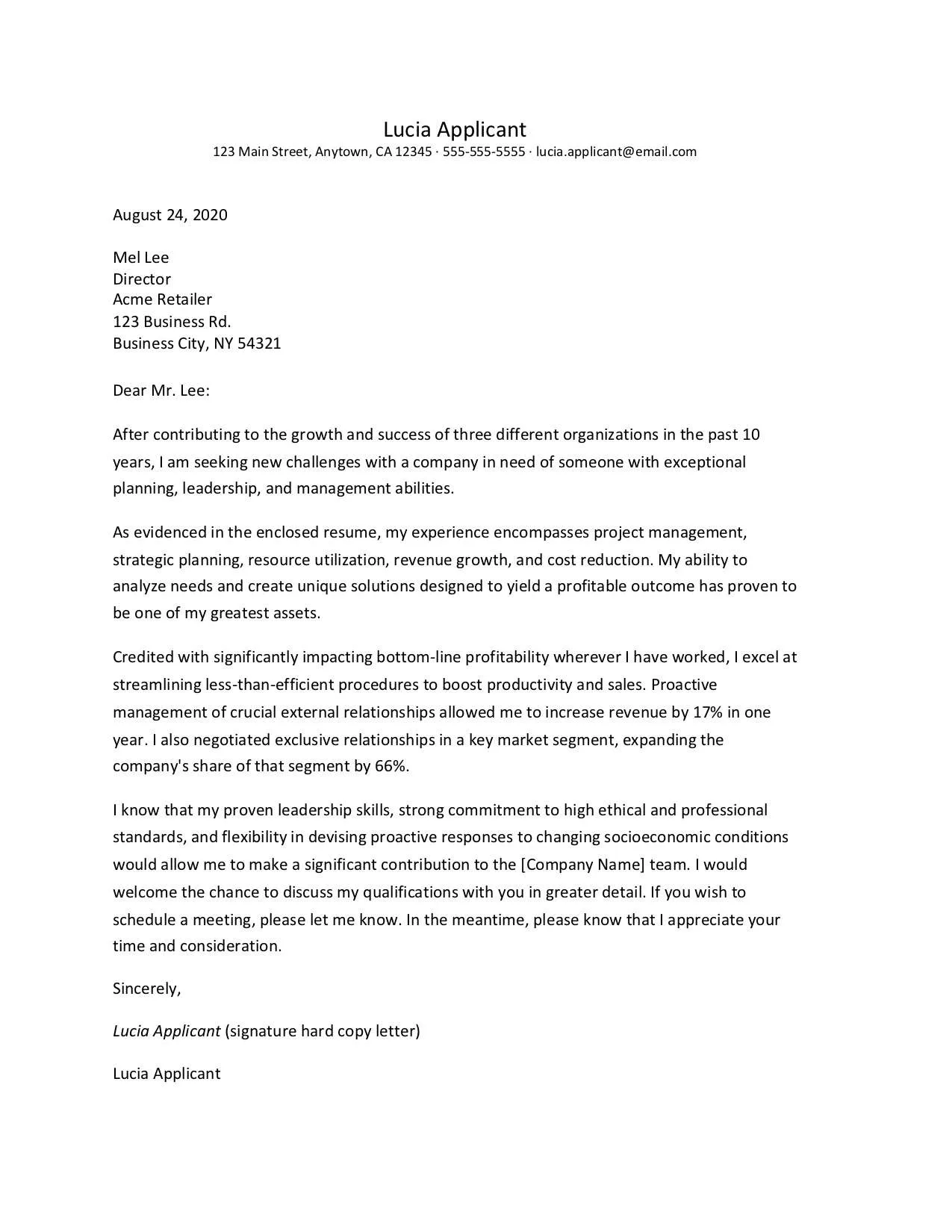
What Is a Management Job Cover Letter?
A management job cover letter is a crucial document that accompanies your resume when applying for management positions. It serves as your first direct communication with a potential employer, allowing you to introduce yourself, highlight your key qualifications, and express your interest in the specific role. Unlike a resume, which provides a summary of your professional history, a cover letter offers an opportunity to showcase your personality, explain why you’re a good fit for the company, and demonstrate your writing and communication skills. Think of it as your personal sales pitch; it’s your chance to make a strong first impression and persuade the hiring manager to read your resume and consider you for an interview. A well-written cover letter can significantly increase your chances of landing an interview, while a poorly written one can lead to your application being overlooked. It’s important to remember that in today’s competitive job market, crafting a compelling management job cover letter is essential for success.
Key Components of a Management Cover Letter
A strong management job cover letter is composed of several key components that work together to create a compelling narrative. These components include your contact information, the date, the recipient’s details, a professional salutation, an engaging opening paragraph, a body that highlights your skills and experience, a closing paragraph expressing gratitude, and a professional closing and signature. Each element plays a vital role in conveying your qualifications and enthusiasm to the employer. A well-structured letter is not only easy to read but also demonstrates your organizational skills and attention to detail, traits highly valued in management roles. By carefully crafting each part of your cover letter, you can ensure it effectively communicates your value proposition and increases your chances of securing an interview.
Your Contact Information

At the very top of your cover letter, you must include your contact information. This typically consists of your full name, phone number, email address, and sometimes your LinkedIn profile URL. Ensure that the email address you use is professional and that your phone number is up-to-date and easily accessible. This information allows the hiring manager to quickly reach out to you if they are interested in your application. Make sure that the font type is clear and easy to read. Check that the information is formatted correctly, and free from errors. This shows professionalism and attention to detail, which is important for any management position.
The Date and the Recipient’s Details
Following your contact information, you should include the date of the letter and the recipient’s details. The date is the day you are sending the cover letter. Below the date, include the hiring manager’s name, title, the company name, and the company’s address. If you are unable to find the hiring manager’s name, try to find the name of the recruiter, or someone that works in human resources. Addressing the letter to a specific person shows you’ve done your research and are genuinely interested in the position. Using a specific name instead of ‘To Whom It May Concern’ makes the letter more personal and engaging. Correctly formatting this section demonstrates your attention to detail and professionalism.
The Salutation
The salutation is the greeting of your cover letter. A professional salutation sets the tone for your letter. If you know the hiring manager’s name, use ‘Dear Mr./Ms./Mx. [Last Name]’. If you are unsure of the name, use ‘Dear Hiring Manager’ or ‘Dear [Department Name] Team’. Avoid generic greetings like ‘To Whom It May Concern’ as they lack personalization. Ensure you spell the name correctly and use a respectful and professional tone. The salutation is the first interaction, and it’s important to make a positive impression.
Crafting the Opening Paragraph

The opening paragraph is your chance to immediately grab the reader’s attention. Start by stating the position you’re applying for and where you saw the job posting. Then, briefly mention why you’re excited about the role and the company. Highlight a key skill or accomplishment that makes you a strong candidate. Your opening should be concise, enthusiastic, and tailored to the specific job. Avoid generic openings; instead, show that you understand the company’s needs and are a great fit. The goal is to make the reader want to continue reading and learn more about you. It should immediately explain why you are writing.
Highlight Your Relevant Skills and Experience
The body of your cover letter is where you demonstrate how your skills and experience align with the job requirements. Focus on the most relevant aspects of your background. Review the job description and identify the key skills and qualifications the employer is looking for. Use specific examples from your previous roles to showcase how you’ve successfully used those skills. If you can, align your skills and previous roles with the job descriptions and company goals. Provide concise, impactful examples of how you’ve achieved results, such as increased productivity, improved team performance, or successful project management. Show, don’t just tell; use concrete examples and data to support your claims. This section is the meat of your cover letter, and needs to contain powerful statements.
Quantify Your Achievements
Quantifying your achievements is a powerful way to demonstrate your impact and value as a candidate. Instead of simply stating what you did, use numbers, percentages, and specific data to show the results you achieved in previous roles. For instance, instead of saying ‘Managed a team,’ say ‘Managed a team of 15 employees, resulting in a 15% increase in sales.’ Or, rather than saying ‘Improved efficiency,’ state ‘Implemented a new process that reduced operational costs by 10%.’ Use the STAR method (Situation, Task, Action, Result) to provide context to your accomplishments, making them more understandable and relatable. Quantifiable achievements make your cover letter more credible and memorable. The main point is to add as much data as possible, but in a concise and easy-to-read manner.
Demonstrate Company Knowledge

Demonstrating your knowledge of the company is critical for making a strong impression. Before you write your cover letter, research the company thoroughly. Understand its mission, values, recent projects, and industry position. In your cover letter, mention specific company initiatives or goals that resonate with you and explain how your skills and experience align with them. This shows that you’re genuinely interested in the company and have taken the time to understand its needs. You might reference a recent company achievement, a product launch, or a specific company value that aligns with your own. Highlighting your knowledge shows that you are well-prepared for the role and are a good fit for the company culture.
Show Enthusiasm and Fit
Your cover letter should convey genuine enthusiasm for the position and the company. Show that you are excited about the opportunity and believe you would be a good fit for the role. Express your enthusiasm through your word choice and tone. Clearly state why you are interested in the specific role and company. Explain how your skills and experience align with the company’s needs and values. By showing your passion and enthusiasm, you make yourself more appealing to the hiring manager. This includes discussing how your personal values align with the company values. Be sure to express yourself in a clear and concise manner, showing your professional abilities.
The Closing Paragraph
The closing paragraph should reiterate your interest in the position and summarize why you are the best candidate. Briefly restate your key qualifications and emphasize your eagerness to contribute to the company’s success. Make a confident statement that you are looking forward to the opportunity. Highlight your enthusiasm again to ensure you leave a lasting impression. Keep the tone positive and professional. Summarize your qualifications and restate your excitement for the role.
Expressing Gratitude and Next Steps

Always express gratitude to the hiring manager for considering your application. Thank them for their time and the opportunity. Then, clearly state your willingness to discuss your qualifications further in an interview. Include a call to action, indicating your availability for an interview and how they can reach you. Express your interest in the role one last time. By offering your gratitude and making it clear that you welcome the next steps, you demonstrate your professionalism and your enthusiasm for the role.
The Closing and Signature
Use a professional closing, such as ‘Sincerely,’ ‘Best regards,’ or ‘Thank you.’ Followed by your full name. If you’re submitting a digital cover letter, you can type your name. If you are printing the letter, leave space for your handwritten signature above your typed name. Ensure that your signature is legible and reflects your professional image. Double-check that your name is correctly spelled and that the signature is appropriately placed.
Formatting Your Cover Letter
The format of your cover letter should be professional and easy to read. Choose a standard font like Times New Roman, Arial, or Calibri, and use a font size between 10 and 12 points. Use single-spaced lines with a space between each paragraph. Ensure proper spacing and alignment. Maintain consistent formatting throughout the entire document. Keep the letter concise, typically no more than one page long. Use clear and concise language and avoid excessive jargon. Use bullet points to make the text more scannable. Well-formatted cover letters make a good first impression and are easy for hiring managers to review.
Proofreading and Editing

Proofreading and editing are crucial steps in the cover letter writing process. Before submitting your cover letter, carefully proofread for any grammatical errors, spelling mistakes, and typos. Check for inconsistencies in formatting and ensure that your language is clear, concise, and professional. Read the letter aloud to catch awkward phrasing or sentences that do not flow well. Ask a friend or colleague to review your cover letter for feedback. Errors in your letter can lead to your application being overlooked, so ensure that your writing is polished and error-free. Thorough proofreading demonstrates your attention to detail and commitment to quality.
Tools and Resources for Writing Your Management Cover Letter
There are many resources available to help you write a compelling management cover letter. Utilize online resources, templates, and cover letter builders to get started. These tools offer guidance on structuring your letter, highlighting your skills, and tailoring the content to your specific situation. Cover letter examples for management positions can provide valuable insight into the expectations of hiring managers. Use these resources to create a document that showcases your best self. Some key tools are listed below, to help you write a cover letter.
Cover Letter Templates
Cover letter templates provide a pre-formatted structure and layout for your document. They offer a starting point for your writing, making it easier to organize your thoughts and create a professional-looking cover letter. Many online resources offer free cover letter templates in various formats, such as Microsoft Word or Google Docs. These templates often include prompts and guidelines to help you fill in the content. When using a template, customize it to reflect your skills, experience, and the specific job you are applying for. Ensure the template is relevant to the management role and industry.
Online Cover Letter Builders

Online cover letter builders offer an interactive way to create your cover letter. These tools typically guide you through the process, providing suggestions and prompts to help you write each section of your letter. You can input your information, select a template, and customize the content to your needs. Some cover letter builders also offer features such as grammar and spelling checkers, as well as the ability to download your cover letter in various formats. When using an online cover letter builder, ensure that it aligns with the job requirements and that you customize the content to highlight your unique qualifications. These tools can be especially helpful for those who are new to writing cover letters or are looking for guidance on the content.
Final Tips for a Successful Management Cover Letter
To maximize the impact of your management job cover letter, keep these final tips in mind: tailor your letter to each job application, as no two jobs are the same. Use keywords from the job description to demonstrate that you are the right fit. Highlight your leadership skills, management experience, and any relevant achievements. Be specific and provide examples that showcase your ability to drive results. Proofread carefully and avoid any grammatical errors or typos. Keep your cover letter concise and easy to read. Most importantly, be confident and enthusiastic about the role. By following these tips, you can create a cover letter that effectively communicates your value and increases your chances of landing your dream management job.