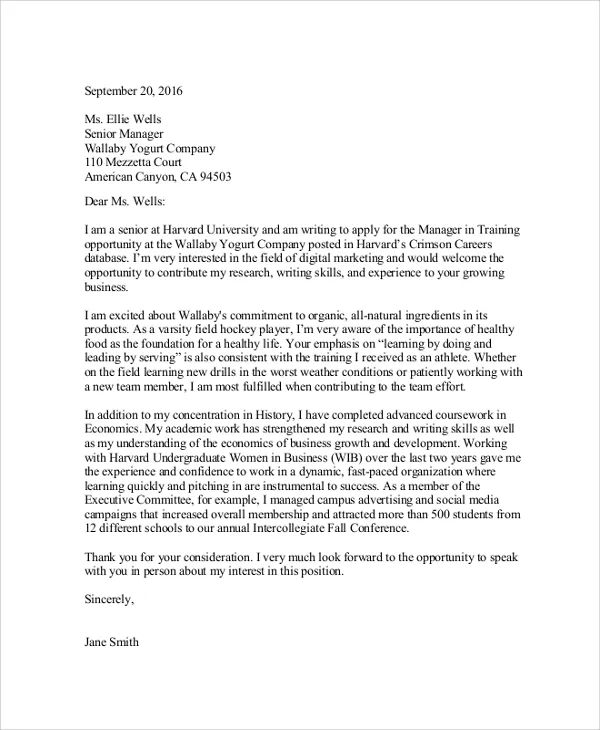
What is a Cover Letter
A cover letter is a crucial document that accompanies your resume when applying for a job. It serves as an introduction to your application, providing a personalized narrative that expands upon the information presented in your resume. While your resume offers a concise overview of your skills and experience, the cover letter allows you to elaborate on why you are the perfect fit for the specific role and the company. It’s your opportunity to showcase your personality, enthusiasm, and writing abilities, making a compelling case for why the hiring manager should invite you for an interview. A well-crafted cover letter is essential for making a positive first impression and significantly increasing your chances of landing your dream job.
The Purpose of a Cover Letter
The primary purpose of a cover letter is to introduce yourself to the hiring manager and express your interest in a particular job opening. It allows you to highlight your relevant skills and experiences and explain why you’re a suitable candidate for the position. Furthermore, a cover letter provides an opportunity to demonstrate your understanding of the company and the role, as well as your enthusiasm for the opportunity. It can also address any gaps in your resume or explain career transitions, providing context and a personal touch that a resume alone cannot convey. In essence, a cover letter personalizes your application and increases your chances of making a favorable impression on potential employers.
Cover Letter vs. Resume

The resume and cover letter serve different, yet complementary, purposes in your job application. Your resume is a concise summary of your work experience, education, skills, and accomplishments. Its primary function is to provide a quick overview of your qualifications, using bullet points and short phrases to highlight key information. A cover letter, on the other hand, is a more detailed, narrative document. It allows you to elaborate on your qualifications, explain your interest in the specific role and company, and demonstrate your communication skills. While the resume presents what you’ve done, the cover letter explains why you’re a good fit and what you can bring to the table. Both documents are essential for a successful job application, but they serve distinct roles in showcasing your candidacy.
Key Components of a Cover Letter
Header and Contact Information
Your cover letter should begin with a professional header that includes your contact information. This typically includes your full name, phone number, email address, and optionally, your LinkedIn profile URL. Additionally, include the date and the hiring manager’s name and title, if you know it, along with the company’s address. This header ensures that the recruiter can easily contact you if they wish to schedule an interview. The header should be well-formatted and placed at the top of the document, making it easily visible and professional in appearance. Maintaining a clean and clear header is crucial for making a positive first impression.
Greeting and Introduction

The greeting should be formal and personalized whenever possible. If you know the hiring manager’s name, use it (e.g., “Dear Mr. Smith”). If not, use a generic greeting such as “Dear Hiring Manager” or “Dear [Company Name] Team”. In your introductory paragraph, clearly state the position you are applying for and how you found the job. Briefly mention why you’re interested in the role and the company, creating an immediate connection with the reader. The introduction should grab their attention and set the tone for the rest of the letter, making them want to continue reading to learn more about your qualifications and motivations.
Body Paragraphs (Skills & Experience)
The body paragraphs are the core of your cover letter. Here, you should highlight your skills and experiences that are most relevant to the job requirements. Use specific examples from your previous roles to demonstrate how you’ve successfully used your skills to achieve results. Tailor your examples to align with the job description, emphasizing the keywords and qualifications mentioned by the employer. Focus on your accomplishments, using the STAR method (Situation, Task, Action, Result) to structure your responses and provide concrete evidence of your abilities. Quantify your achievements whenever possible (e.g., “Increased sales by 15%”, “Managed a team of 10 employees”).
Closing and Call to Action
In your closing paragraph, restate your interest in the position and thank the hiring manager for their time and consideration. Express your enthusiasm for the opportunity to discuss your qualifications further. Include a clear call to action, such as stating that you look forward to hearing from them soon or that you’re available for an interview at their earliest convenience. End with a professional closing such as “Sincerely” or “Best regards”, followed by your full name. Proofread carefully before submitting to ensure a polished and professional finish.
Formatting and Design Tips for Cover Letters

Font and Layout Recommendations
Choose a professional and easy-to-read font, such as Times New Roman, Arial, or Calibri, with a font size of 11 or 12 points. Maintain consistent formatting throughout the document, including the font style, size, and spacing. Use clear headings and subheadings to break up the text and make it easier to read. Keep the layout clean and uncluttered, using ample white space to avoid overwhelming the reader. Ensure the margins are standard (1 inch on all sides) and that the text is left-aligned. Avoid excessive use of bolding, italics, or underlining, and ensure that your cover letter is visually appealing and easy to navigate.
Proofreading and Editing Your Cover Letter
Proofreading and editing are critical steps in ensuring your cover letter is polished and professional. Check for any grammatical errors, spelling mistakes, and typos. Read the letter aloud to catch any awkward phrasing or sentence structures. Have a friend or family member review the letter for feedback on clarity, flow, and content. Pay close attention to the tone of the letter and ensure it aligns with the company culture and the job requirements. A well-proofread cover letter demonstrates your attention to detail and commitment to excellence, making a positive impression on the hiring manager. Take the time to thoroughly review your work before submitting your application.
Common Mistakes to Avoid in a Cover Letter

Generic Content
Avoid using generic cover letters that can be used for any job application. Instead, tailor each cover letter to the specific role and company you’re applying for. Research the company’s values, mission, and culture, and reflect this knowledge in your letter. Highlight specific skills and experiences that align with the job requirements and provide concrete examples of your achievements. Personalize your letter by addressing the hiring manager by name and mentioning specific reasons why you’re interested in the company and the position. Generic content shows a lack of effort and can make your application less competitive, so always customize your cover letter to demonstrate genuine interest.
Typos and Grammatical Errors
Typos and grammatical errors can significantly detract from the professionalism of your cover letter. They create a negative impression and suggest a lack of attention to detail. Carefully proofread your letter multiple times to catch any mistakes. Use spell-check and grammar-check tools, but don’t rely on them entirely. Read the letter aloud to identify any awkward phrasing or unclear sentences. Have a friend or family member review the letter for feedback. Ensuring your cover letter is free of errors demonstrates your commitment to quality and professionalism, greatly enhancing your chances of success.
Cover Letter Examples and Templates

Where to Find Cover Letter Templates
There are numerous online resources where you can find cover letter templates. Websites like Microsoft Office, Google Docs, and various job search platforms offer a wide variety of templates that you can download and customize. When choosing a template, select one that aligns with your personal brand and the industry standards. Make sure the template is well-formatted, easy to read, and allows you to showcase your skills and experiences effectively. Before using a template, carefully review it and adapt it to fit the specific requirements of the job and the company you’re applying to. Always personalize your cover letter to make it stand out.
Adapting Templates to Your Needs
While templates can provide a solid foundation for your cover letter, it’s crucial to adapt them to your specific needs. Do not simply copy and paste content from a template; customize it to reflect your individual skills, experiences, and the requirements of the job. Tailor the content to showcase your unique qualifications and explain why you’re the ideal candidate. Change the wording, format the content as needed, and include your own examples and achievements. By adapting a template, you create a more personalized and compelling cover letter that increases your chances of getting noticed by the hiring manager. Always ensure that your cover letter is original, well-written, and tailored to the specific job.