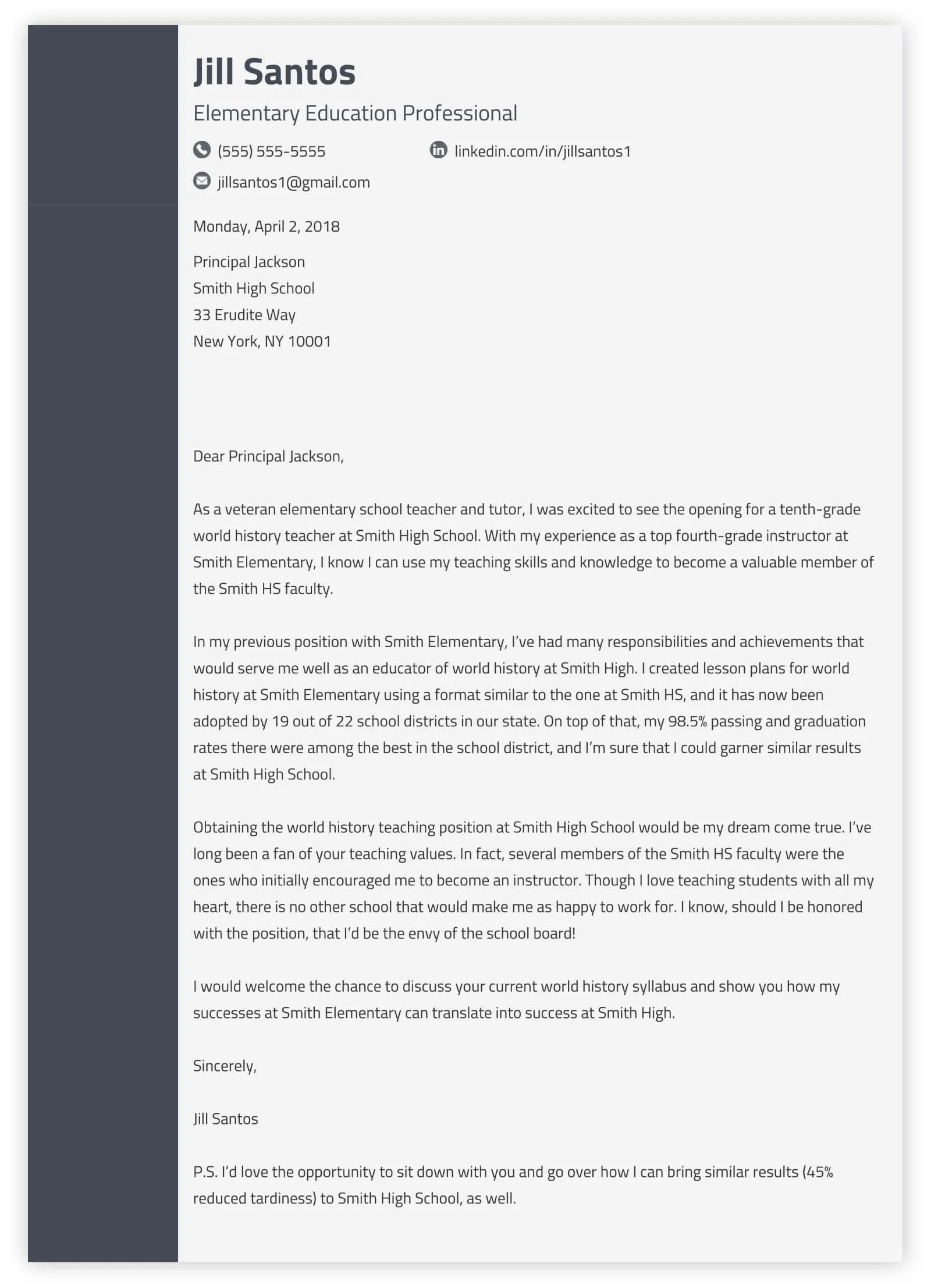
Understanding the Power of Job Cover Letters
In the competitive landscape of job applications, a well-crafted cover letter serves as your initial handshake with a potential employer. It’s more than just a formality; it’s a crucial tool that can significantly enhance your chances of landing an interview. A cover letter provides a unique opportunity to showcase your personality, passion, and the specific skills that make you a perfect fit for the role. While your resume offers a factual overview of your experience and qualifications, the cover letter allows you to tell a compelling story, demonstrating your understanding of the company’s needs and how your skills align with them. A thoughtfully written cover letter can distinguish you from other candidates and leave a lasting positive impression on the hiring manager. It can highlight your key accomplishments and demonstrate your genuine interest in the position and the organization.
Why Cover Letters Still Matter
Despite the rise of online applications and the perceived focus on resumes, cover letters continue to hold significant weight in the hiring process. They allow you to personalize your application and provide context to your resume. In a world where many candidates apply for the same positions, a cover letter is your chance to stand out. It’s a platform to articulate your motivation for applying, explain any gaps in your employment history, or address any concerns that a hiring manager might have. A well-written cover letter displays your communication skills, attention to detail, and genuine interest in the job, all of which are critical factors in the hiring decision. Many employers still value the insights offered in a tailored cover letter, making it an indispensable part of any job application.
The Impact of a Strong Cover Letter

A strong cover letter can dramatically influence whether you secure an interview. It is your first opportunity to create a positive impression and demonstrate your professionalism and communication abilities. It provides a space to highlight your most relevant achievements and articulate how you can add value to the company. A compelling cover letter can sway a hiring manager to overlook minor shortcomings in your resume and focus on your potential. It allows you to make a personal connection with the reader, showing your enthusiasm and genuine interest in the role. In today’s competitive job market, a well-crafted cover letter could be the deciding factor that sets you apart from the competition, leading to an interview and ultimately, the job offer.
Top 5 Job Cover Letter Examples
Example 1 The Enthusiastic Professional
This type of cover letter focuses on conveying excitement and passion for the role and the company. It emphasizes your genuine interest and enthusiasm, making it appealing to hiring managers looking for motivated individuals. It generally opens with a strong, positive statement about your interest in the position and the company’s mission. It highlights how your skills and experience align with the company’s values, illustrating your eagerness to contribute. The tone is upbeat and energetic, making the reader feel your genuine excitement. Remember to maintain a professional demeanor while expressing your passion.
Key Elements of this Cover Letter Type

- Expresses genuine excitement and enthusiasm
- Highlights how your values align with the company’s
- Uses an upbeat and energetic tone
- Demonstrates a clear understanding of the company and the role
Example 2 The Targeted Application
This type of cover letter is highly customized to the specific job and the company. It demonstrates that you’ve thoroughly researched the role and the organization, showing a deep understanding of their needs and challenges. It directly addresses the job description’s requirements, highlighting how your skills and experience meet each point. The letter is tailored to show that you understand the company’s culture and values. It showcases your ability to tailor your communication to specific audiences, illustrating your adaptability and attention to detail. This targeted approach indicates your commitment to the position and the company.
Key Elements of this Cover Letter Type
- Addresses specific requirements from the job description
- Demonstrates a deep understanding of the company’s values
- Highlights relevant skills and experience
- Shows a clear understanding of the role’s responsibilities
Example 3 The Skills-Focused Cover Letter

This cover letter emphasizes your skills and how they align with the job requirements. It’s especially useful if you’re changing careers or highlighting transferable skills. The structure focuses on your abilities, showcasing how they apply to the specific job responsibilities. Instead of listing your experience chronologically, it highlights the skills most pertinent to the role. Using concrete examples, you illustrate how you’ve applied these skills in the past and achieved successful outcomes. This cover letter style emphasizes your value proposition, demonstrating your competence and what you can bring to the company.
Key Elements of this Cover Letter Type
- Emphasizes relevant skills
- Provides concrete examples of skill application
- Highlights transferable skills
- Focuses on how your skills meet the job requirements
Example 4 The Networking Approach
If you have a personal connection or were referred to the job, this cover letter can highlight your network. It acknowledges the referral and emphasizes your connection to the company or someone within it. It uses the referral to establish credibility and build trust with the hiring manager, indicating your commitment to the company. This letter is typically shorter than other types, focusing on your connection and relevant skills, while also showing your awareness of the company’s culture. It is a great way to leverage your network and open the door for consideration, showcasing your ability to build and use professional relationships.
Key Elements of this Cover Letter Type

- Acknowledges a referral or personal connection
- Leverages your network
- Establishes credibility and trust
- Highlights relevant skills and experience
Example 5 The Creative Cover Letter
For roles in creative fields, this cover letter showcases your unique personality and creative skills. It uses an unconventional format, design, or tone to capture the hiring manager’s attention. It showcases your design skills, writing style, or innovative approach to demonstrate your suitability for a creative position. The creativity is tailored to the specific role and company culture, showing your ability to think outside the box. While it aims to grab attention, it still maintains professionalism and demonstrates an understanding of the job requirements. This approach is perfect for roles where originality and innovation are highly valued.
Key Elements of this Cover Letter Type
- Employs an unconventional format or design
- Demonstrates creative skills
- Maintains professionalism while being unique
- Is tailored to a creative role and company
Essential Components of a Compelling Cover Letter

Formatting and Structure
A well-formatted cover letter is easy to read and leaves a positive impression. Use a professional font like Times New Roman or Arial, in a readable size (11 or 12 points), and maintain consistent formatting throughout. Clearly separate paragraphs with spaces, and use bullet points for lists to enhance readability. Your letter should typically be one page, with concise paragraphs. Ensure correct grammar, spelling, and punctuation to demonstrate your attention to detail. Use a simple, clean layout, and include your contact information at the top, and the date and the recipient’s information.
Personalization and Tone
Personalize your cover letter to each job and company by researching the specific requirements. Address the hiring manager by name, if possible, to show that you’ve taken the time to do your research. Tailor the tone to match the company’s culture; for a formal company, maintain a professional tone, and for a more casual environment, you can be slightly more relaxed. Show your enthusiasm and passion for the role and company, highlighting your understanding of their mission and values. Be authentic and let your personality shine through, allowing the hiring manager to get a sense of who you are beyond your resume.
Highlighting Skills and Achievements

In your cover letter, provide a concise overview of your key skills and achievements relevant to the job. Quantify your achievements whenever possible by using numbers, percentages, or specific results to demonstrate your impact. Focus on your accomplishments, showing what you’ve achieved in previous roles. Align your skills with the job description, highlighting those that the employer has specified. This alignment allows you to show the hiring manager how you can solve their problems. Your cover letter is a great opportunity to showcase the value you can bring to the company.
Tips for Tailoring Your Cover Letter
Researching the Company
Before writing your cover letter, research the company to understand their values, mission, and current projects. Visit their website, read news articles, and check their social media profiles to get a sense of their culture. Tailor your cover letter to reflect this understanding; show how your skills and experience align with the company’s needs. Knowing their values will also help you align the tone and language of your letter, showing that you understand their goals and vision. This level of effort can demonstrate your genuine interest and set you apart from other applicants.
Using Keywords Effectively

Use keywords from the job description in your cover letter to demonstrate that you’re a good fit for the role. Identify the key skills and qualifications the employer seeks and incorporate relevant terms naturally throughout your letter. Ensure the keywords fit naturally into your writing, avoiding excessive repetition or keyword stuffing. Using keywords properly can help your application get past Applicant Tracking Systems (ATS), which many companies use to screen applications. Strategic keyword use ensures that your application is seen by human eyes, increasing your chance of an interview.
Proofreading and Editing
Always proofread your cover letter carefully to catch any errors in grammar, spelling, or punctuation. These errors can create a negative impression and suggest a lack of attention to detail. Ask someone else to review your letter for a fresh perspective, as a second pair of eyes can catch mistakes you might miss. Ensure that your formatting is consistent throughout the document, and the tone of your letter matches the job and the company culture. Take the time to edit and refine your letter before submitting, ensuring a polished and professional presentation.
Conclusion
A well-crafted cover letter is an essential tool in the job search process. It allows you to make a strong first impression, showcase your personality, and highlight your skills and achievements. By using the examples provided, tailoring your letter to each job, and paying attention to the key components discussed, you can significantly increase your chances of landing an interview. Take the time to research, write, and edit your cover letter carefully. It’s an investment that can pay off handsomely by opening doors to new career opportunities. Always present yourself in the best possible light, and remember to highlight what makes you unique and valuable.