Understanding the Power of a Cover Letter
In the competitive landscape of job applications, a well-crafted cover letter can be the key that unlocks the door to your dream job. Often overlooked, it’s your first chance to make a strong impression and set yourself apart from the competition. This seemingly simple document is more than just a formality; it’s your personal introduction, your chance to highlight your unique value proposition, and the vehicle for demonstrating your genuine interest in the specific role and company. Mastering the art of the cover letter is a crucial step in navigating the job search process successfully. It provides a platform to articulate your skills, experience, and aspirations in a way that a resume, with its concise format, simply cannot. It’s about more than just listing your qualifications; it’s about telling a compelling story that resonates with the hiring manager.
Why a Cover Letter Matters
A cover letter provides context to your resume. It’s where you explain why you’re the perfect fit for the job and the company. It allows you to connect your past experiences with the requirements of the role. Many hiring managers use cover letters as a screening tool. A poorly written or generic cover letter can be an immediate disqualifier. A well-written one, however, can significantly increase your chances of getting an interview, even if your resume isn’t perfect. It shows that you’ve taken the time to research the company and understand the position. It demonstrates your communication skills and your ability to express yourself clearly and persuasively. It is your opportunity to showcase your personality and enthusiasm, something a resume can often fail to convey.
The Purpose of a Cover Letter

The primary purpose of a cover letter is to introduce you to the hiring manager and express your interest in the specific job. It should briefly explain why you are applying, what makes you qualified, and why you want to work for that particular company. Furthermore, it serves as a way to highlight your most relevant skills and experiences that align with the job’s requirements, going beyond the brief details presented in your resume. It allows you to tell a story about yourself, providing context and showcasing your achievements in a way that is both informative and engaging. Ultimately, the goal is to persuade the hiring manager to read your resume and invite you for an interview.
Essential Components of a Cover Letter
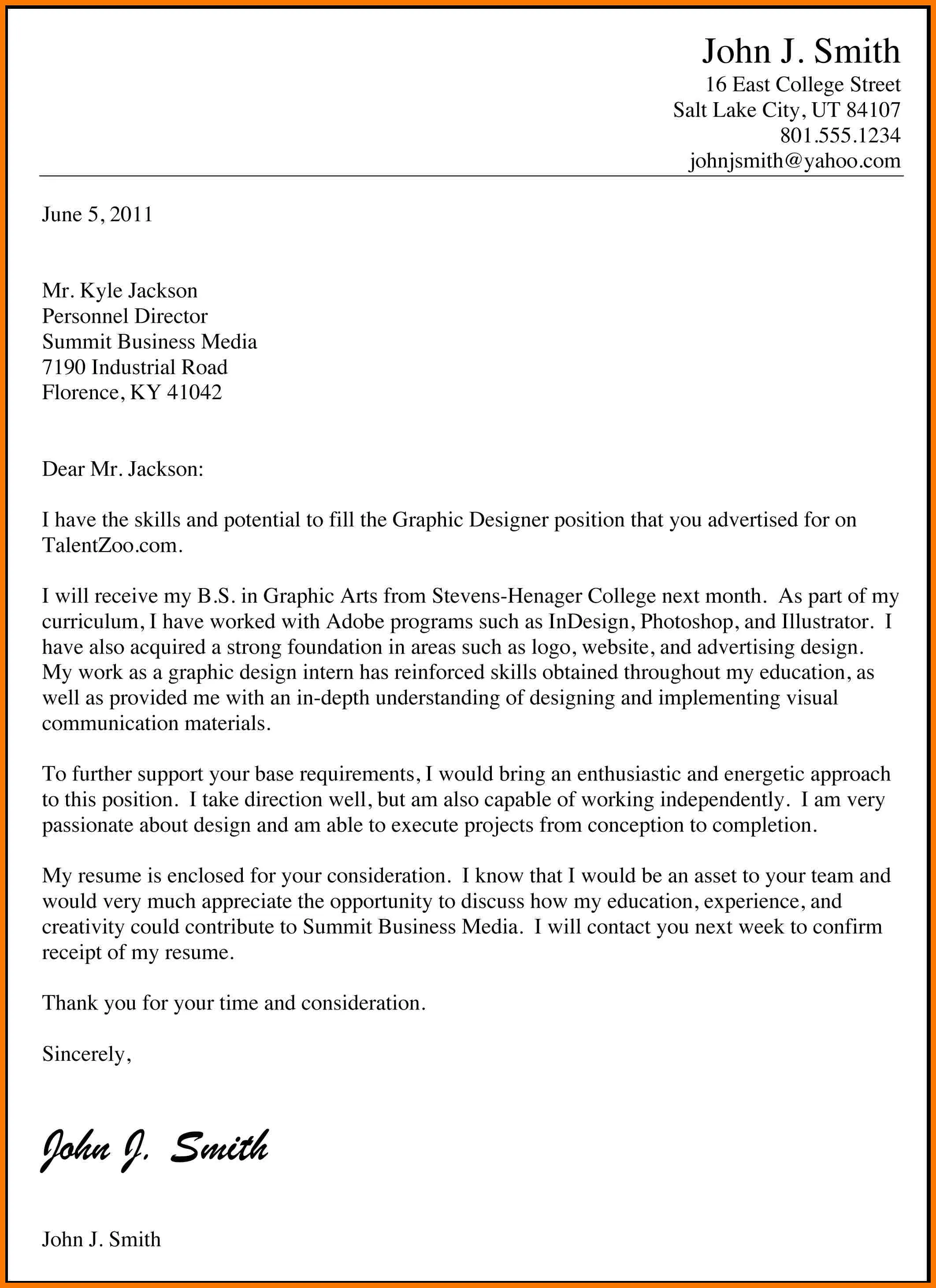
A cover letter, while allowing for personal expression, must adhere to a structured format. The essential components work together to create a cohesive and persuasive document. Each element plays a crucial role in conveying your qualifications and enthusiasm for the position.
Your Contact Information and Date
At the top of your cover letter, include your contact information (name, phone number, email address, and LinkedIn profile URL, if applicable). Directly below this, write the date of the letter. This ensures the hiring manager can easily reach you.
The Hiring Manager’s Information

Address your cover letter to the hiring manager by name if possible. Research the name of the person who will be reviewing your application; this shows you’ve done your homework and that you’re genuinely interested. If you can’t find a name, use a professional title like ‘Hiring Manager’ or ‘Recruiting Team’.
Opening Paragraph Hook
The opening paragraph should immediately grab the reader’s attention. Clearly state the position you’re applying for and how you found the job posting. Briefly explain why you are interested in the company and the role. This section sets the tone for the rest of the letter and encourages the reader to continue.
Body Paragraphs Showcasing Skills & Experience
The body paragraphs are where you showcase your skills, experience, and accomplishments. Use specific examples to illustrate your qualifications and demonstrate how you have met the job requirements. This is your chance to show, not just tell, the hiring manager about your abilities. Keep the focus on what you can offer the company, and use action verbs to describe your achievements.
Tailoring Your Letter to the Job Description

Carefully read the job description and identify the key skills and qualifications the employer is seeking. Then, tailor your cover letter to highlight your experience and skills that directly align with these requirements. Use keywords from the job description to show that you understand the needs of the role and that you are a good match. Avoid sending a generic cover letter; customize it for each application.
Quantifying Your Achievements
Whenever possible, quantify your achievements with numbers, percentages, or specific results. This makes your claims more credible and demonstrates the impact you’ve had in previous roles. For example, instead of saying ‘Improved customer satisfaction,’ say ‘Increased customer satisfaction scores by 15% through the implementation of a new feedback system.’ Concrete numbers are powerful and memorable.
Highlighting Relevant Skills
Focus on the skills and experiences that are most relevant to the job you’re applying for. Provide examples of how you’ve used these skills in the past to achieve positive outcomes. Mention both hard skills (technical skills) and soft skills (interpersonal skills), as both are important to employers. Show how your skills align with the job’s specific requirements.
Closing Paragraph and Call to Action

In the closing paragraph, reiterate your interest in the position and thank the hiring manager for their time and consideration. Include a call to action, such as stating that you look forward to hearing from them soon or that you are available for an interview. Express your enthusiasm for the opportunity and your confidence in your ability to contribute to the company’s success.
Formatting Your Cover Letter for Readability
The formatting of your cover letter is just as important as its content. A well-formatted letter is easy to read and makes a positive impression. Poor formatting, on the other hand, can detract from your message and make it difficult for the hiring manager to focus on your qualifications.
Font and Font Size Recommendations
Choose a professional and easy-to-read font, such as Times New Roman, Arial, Calibri, or Helvetica. Keep the font size between 10 and 12 points. Ensure the font is consistent throughout the document. Avoid using overly decorative fonts or those that are difficult to read. The goal is to create a clean and uncluttered appearance.
Margins and Spacing Best Practices

Use standard margins (1 inch on all sides). This provides enough white space to make the document visually appealing and easy to read. Double-space between paragraphs and single-space within paragraphs. This creates a balanced layout and prevents the text from appearing crowded. Proper spacing ensures that the letter is easy on the eyes and conveys professionalism.
Proofreading and Editing for Perfection
Before submitting your cover letter, proofread it carefully for any errors in grammar, spelling, punctuation, and word choice. Even a minor error can make a negative impression. Use a grammar checker and spell checker, but don’t rely on them completely. Read the letter aloud to catch any awkward phrasing or inconsistencies. Ask a friend or family member to proofread your cover letter for a fresh perspective. A polished cover letter demonstrates your attention to detail and professionalism.
Common Cover Letter Mistakes to Avoid
Many cover letters are rejected because of easily avoidable mistakes. Be aware of common pitfalls to ensure your letter stands out for the right reasons. Here are some of the most frequent cover letter mistakes that job seekers make.
- Using a generic cover letter that isn’t tailored to the specific job and company.
- Including irrelevant information or details that don’t relate to the job requirements.
- Making grammatical errors or spelling mistakes.
- Being overly formal or using jargon that the hiring manager may not understand.
- Focusing too much on what you want rather than what you can offer the company.
- Failing to follow the formatting guidelines, such as using the wrong font or spacing.
Sending Your Cover Letter

Once you have finalized your cover letter, be sure to save it as a PDF to preserve its formatting. This ensures that your letter looks exactly as you intend it to, regardless of the software or device used by the hiring manager. When sending the cover letter, include it as an attachment to your email, along with your resume. Write a brief, professional email that introduces yourself and mentions the position you are applying for. Always double-check that you have included all necessary attachments and that your email address is professional. A well-crafted cover letter is a powerful tool. By following these tips and avoiding common mistakes, you can create a cover letter that grabs the hiring manager’s attention and increases your chances of landing an interview.
In conclusion, a cover letter is not just a formality; it is your chance to make a strong first impression and showcase why you are the ideal candidate for the job. By understanding the essential components, following the formatting guidelines, and avoiding common mistakes, you can craft a compelling cover letter that will help you stand out from the competition and increase your chances of securing your dream job.