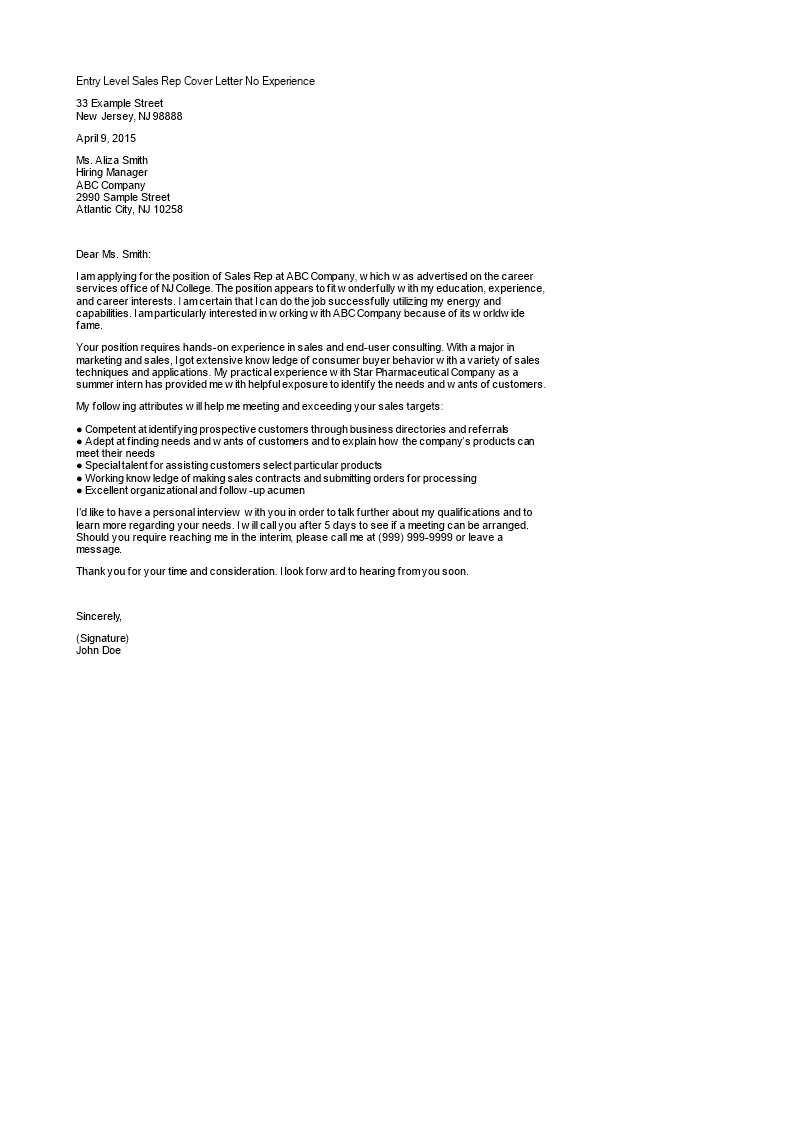
Landing an internship without prior experience might seem daunting, but with a well-crafted cover letter, you can significantly increase your chances. This guide provides a comprehensive approach to writing an impressive internship cover letter, focusing on how to highlight your skills, demonstrate your potential, and showcase your enthusiasm, even without direct work experience. The key is to focus on what you can bring to the table and how you can contribute to the company’s goals. By strategically presenting your abilities and aligning them with the internship requirements, you can create a compelling application that grabs the attention of hiring managers and sets you apart from other candidates.
Highlighting Your Skills and Potential
Your cover letter is your opportunity to present yourself as a strong candidate, even without a lengthy work history. Instead of dwelling on the lack of experience, shift the focus to the skills you possess and your potential to contribute to the internship program. Highlight the skills you’ve gained through coursework, projects, extracurricular activities, or volunteer work. The goal is to convince the hiring manager that you have the necessary qualities to succeed and are eager to learn and grow within the company.
Transferable Skills to Showcase
Transferable skills are those abilities that can be applied to various job roles, regardless of specific industry experience. Think about the skills you’ve developed through different activities, such as academic projects, volunteer work, or even hobbies. These skills are highly valued by employers, as they indicate your ability to adapt, learn, and contribute effectively. By focusing on these skills, you can demonstrate your readiness for the internship and showcase your overall competence.
Communication Skills

Excellent communication is crucial in any workplace. Highlight your ability to articulate ideas clearly, both in writing and verbally. Mention any experiences where you’ve presented information, written reports, or collaborated on projects. This demonstrates your capacity to convey your thoughts effectively and interact professionally with others. Make sure to showcase how your communication skills will enable you to succeed in a professional setting.
Teamwork and Collaboration
Teamwork and collaboration are essential in most internship settings. Describe instances where you’ve worked effectively in a team to achieve a common goal. Highlight your contributions, role, and how you navigated any challenges that arose. This emphasizes your ability to work harmoniously with colleagues, contribute to a team environment, and understand the importance of collaborative success.
Problem-Solving Abilities
Employers seek candidates who can identify and solve problems. Discuss any experiences where you’ve faced a challenge and successfully found a solution. Highlight your analytical skills, your approach to problem-solving, and the outcomes you achieved. Demonstrating your problem-solving skills proves your resourcefulness and your ability to think critically, which are valuable in any internship setting.
Highlighting Relevant Coursework and Projects

Your academic background offers valuable material for your cover letter. Focus on the coursework and projects that align with the internship requirements. This can effectively demonstrate your understanding of relevant concepts and your preparedness for the role. By carefully selecting the experiences you discuss, you can directly address the skills and knowledge required by the internship.
Coursework Alignment
Showcase courses that are directly relevant to the internship. Mention specific topics covered and the knowledge gained that could benefit the company. This is where you can demonstrate your knowledge of the industry. Explain how the topics covered in the class would help you complete the tasks of the internship.
Project Demonstrations
Describe relevant projects you’ve completed, including the goals, your role, and the outcomes. Emphasize how these projects have equipped you with skills that can be transferred to the internship role. This is a great way to show your skills and work ethic. Even if they are school projects, you can show you can work well in a real-world situation.
Quantifying Your Achievements

Whenever possible, quantify your achievements. Using numbers and specific data makes your claims more compelling and credible. Quantifiable achievements demonstrate your value to the internship program and provide concrete evidence of your abilities. Always try to provide numbers when you can.
Using Numbers to Impress
Use numbers to demonstrate your accomplishments. For example, if you participated in a project, mention how many people were involved, the duration of the project, or the impact of your contribution. Quantifying your achievements adds credibility and shows your ability to make a tangible impact.
Providing Specific Examples
Avoid vague statements. Instead, provide specific examples that illustrate your skills and accomplishments. For instance, instead of saying, ‘I improved team communication,’ describe how you implemented a new communication tool that led to a 15% increase in project efficiency. Specific examples make your cover letter more memorable and persuasive.
Demonstrating Enthusiasm and Fit

Demonstrating enthusiasm and genuine interest in the internship and the company is crucial. Hiring managers want to see that you’re passionate about the field and excited about the opportunity. Researching the company and tailoring your letter will show that you’re not just applying for any internship, but specifically for this one, and also demonstrating why this is a good fit for you.
Researching the Company Culture
Research the company’s mission, values, and recent projects. Show how your skills and interests align with their goals. This demonstrates your sincere interest and your understanding of what the company is looking for. Incorporating this information into your cover letter shows that you have done your homework and are genuinely interested in the opportunity. This could be a great place to showcase why you are a good fit for the company.
Tailoring Your Letter to the Role
Customize your cover letter to the specific internship you’re applying for. Review the job description carefully and highlight the skills and experiences that directly match the requirements. This demonstrates that you understand the role and have the qualifications to be successful. Never use a generic cover letter. This will show the hiring manager that you care and that you have done your research.
Expressing Your Passion for the Field

Express your genuine passion for the field and your excitement about the internship opportunity. Explain why you’re interested in the industry and how you envision contributing to the company’s success. Letting your passion shine through can make a lasting impression. By showing genuine enthusiasm for the work, you make a positive impression and help the hiring manager see you as a valuable addition to the team.
Formatting and Structure Tips
The presentation of your cover letter is just as important as its content. A well-formatted, easy-to-read letter reflects professionalism and attention to detail. Pay close attention to the layout, font choice, and overall structure to ensure that your letter is both visually appealing and easy to navigate for the hiring manager.
Proper Formatting Guidelines
Use a professional font (such as Times New Roman, Arial, or Calibri) and a standard font size (11 or 12 points). Maintain consistent formatting throughout your letter. Ensure clear headings, ample white space, and a concise style. Proper formatting makes your cover letter easy to read and enhances its overall professional appearance.
Effective Structure for Cover Letters

Your cover letter should follow a clear structure. Begin with a strong opening that grabs the reader’s attention. In the body, highlight your key skills and experiences, providing specific examples. Conclude with a call to action, expressing your enthusiasm and eagerness to discuss your application further. A well-structured cover letter is far more likely to make a positive impression.
Proofreading and Editing for Perfection
Proofread your cover letter meticulously for any grammatical errors, spelling mistakes, or typos. Have someone else review your letter to catch any errors you may have missed. A polished, error-free cover letter demonstrates your attention to detail and professionalism. Proofreading is an extremely important part of the application process and should not be overlooked.
In conclusion, writing a compelling internship cover letter without experience requires strategic highlighting of transferable skills, relevant coursework, and genuine enthusiasm. By following these tips, you can create a cover letter that showcases your potential, aligns with the company’s needs, and increases your chances of landing your dream internship. Remember to tailor your letter to each specific opportunity and present yourself in the best possible light. Good luck!