Understanding the ‘To Whom It May Concern’ Approach
Navigating the job application process can be tricky, especially when you’re unsure who to address your cover letter to. The phrase “To Whom It May Concern” is a common, albeit sometimes debated, way to begin your cover letter. This guide explores when and how to use it effectively, ensuring your application stands out for the right reasons. We’ll delve into the nuances of this salutation, helping you make informed decisions that reflect professionalism and attention to detail. Knowing the right approach can significantly impact how your application is received, and by understanding the best practices, you can avoid common pitfalls and make a positive impression from the start. This section sets the stage for understanding the appropriate use of this salutation and its alternatives.
When to Use ‘To Whom It May Concern’
There are specific circumstances where using “To Whom It May Concern” is acceptable, even preferred. This section outlines those situations, giving you clarity on when this salutation is a viable option. Primarily, it is acceptable when you are unable to find a specific contact person within the company. This often happens when applying for a job through a general application portal or when the job posting doesn’t provide a name. Also, if you are sending a general inquiry or a speculative application where you’re not targeting a specific role but rather expressing interest in the company, it may be appropriate. Furthermore, in some international contexts or when dealing with government agencies, “To Whom It May Concern” might be more commonly accepted. The key is to evaluate the context and consider whether a more personalized approach is possible or advantageous. This section clarifies the appropriate scenarios.
Situations Where It’s Appropriate

Using ‘To Whom It May Concern’ is acceptable when the hiring manager’s name isn’t provided. When applying through a general online application form or sending a cold email, it’s often the only option. Additionally, when the job posting is vague about who to address, or the contact information is missing, this salutation is a safe bet. In these cases, it shows you’ve made an effort to apply but couldn’t find a specific contact. It also works when you’re unsure which department to send the letter to. The important aspect is that you are communicating with the company in a professional manner. In these instances, the salutation serves as a neutral starting point. It is essential to focus on the content and the message within the cover letter to make a lasting impression.
Situations Where It’s Not Recommended
In many cases, ‘To Whom It May Concern’ is not recommended. It can appear impersonal and may signal a lack of research or effort. If you can find a name through the company website, LinkedIn, or by calling the company, using it is best. Similarly, if the job posting lists a recruiter or hiring manager, always address them directly. Avoid it if you’re targeting a specific individual; it shows you haven’t taken the time to identify the person in charge. In any scenario, aim for a more personalized greeting to demonstrate your genuine interest in the role and the company. Take all available steps to personalize your cover letter to improve your chances of getting noticed and creating a strong first impression. This proactive approach often yields more favorable results.
Crafting a Compelling Cover Letter
Whether you use ‘To Whom It May Concern’ or a specific name, the content of your cover letter is critical. This section covers the key elements of a compelling cover letter, from grabbing attention to showcasing your achievements. We’ll explore how to highlight your skills, quantify your accomplishments, and format your letter for optimal readability. By following these guidelines, you can ensure your cover letter effectively communicates your value and makes a strong case for your candidacy. A well-crafted cover letter not only introduces you but also serves as a powerful marketing tool, positioning you as the ideal candidate for the job. Learn the best practices for content and formatting to make your application stand out.
Opening Paragraphs that Grab Attention

Your opening paragraph should immediately grab the reader’s attention. Avoid generic openings; instead, start with a strong statement that highlights your interest in the role and the company. Mention where you saw the job posting or how you learned about the opportunity. If applicable, include a brief anecdote, a compelling achievement, or a concise overview of your qualifications. Aim to create curiosity and encourage the reader to delve deeper into your letter. This initial impression sets the tone for the rest of the application, so make it count. A well-crafted introduction will capture the reader’s interest and make them want to read more, which is essential for a successful cover letter.
Highlighting Relevant Skills and Experience
The body of your cover letter is where you showcase your skills and experience. Focus on the experiences and qualifications that directly relate to the job requirements. Carefully review the job description and identify the key skills and experiences the employer seeks. Provide specific examples of how you’ve demonstrated these skills in past roles or projects. Use action verbs to describe your achievements and responsibilities. Tailor your letter to each job, demonstrating how your skills and experience align with the employer’s needs. It is very important to show, not just tell, your capabilities. Use examples to show how you’ve used your skills to achieve successful outcomes.
Quantifying Achievements for Impact
Quantifying your achievements makes your cover letter more impactful. Instead of simply stating you improved sales, mention the percentage by which you increased them. If you streamlined a process, quantify the time or resources saved. Providing numbers and specific data adds credibility to your claims and provides concrete evidence of your abilities. This is more important than generic statements. By quantifying your achievements, you demonstrate your ability to drive results and showcase the value you bring to the company. Always try to include relevant metrics to show the impact of your work. Such a detailed approach will make your letter more persuasive.
Formatting Your Cover Letter for Readability

The formatting of your cover letter is critical for readability. Use a clear and professional font, such as Times New Roman, Arial, or Calibri, and keep the font size between 10 and 12 points. Use single-spaced lines with a space between paragraphs to create visual breaks. Use bullet points to highlight key achievements or skills. Keep your paragraphs concise and to the point, avoiding lengthy blocks of text. Pay attention to the alignment and layout of your content to ensure it is easy to read. A well-formatted cover letter enhances the reader’s experience and makes it easier for them to understand your qualifications. Proper formatting shows your attention to detail.
Structuring Your Cover Letter’s Body
The body of your cover letter should follow a logical structure. After your attention-grabbing opening, highlight your relevant skills and experience. Then, provide specific examples of your achievements, using the STAR method (Situation, Task, Action, Result) to structure your examples. Clearly explain the situation, the task you were given, the actions you took, and the results you achieved. This structured approach makes your accomplishments easy to understand and appreciate. Tailor the content to each specific job to directly address the requirements. Include all pertinent information without being overly verbose, and keep the reader engaged and focused on your qualifications and accomplishments. Be sure to showcase how you fit into the organization.
Expressing Enthusiasm and Interest
Throughout your cover letter, express genuine enthusiasm for the role and the company. Show that you’ve researched the company and understand its mission, values, and goals. Explain why you are excited about the opportunity and what you hope to contribute. Demonstrate your knowledge of the industry and showcase how you fit the company culture. Make sure your enthusiasm shines through your writing style, tone, and the language you use. Let your passion for the job come through by using descriptive language that conveys your excitement. This makes your letter more engaging and shows the hiring manager that you genuinely want the job.
Showcasing Your Personality

While professionalism is important, also allow your personality to shine through your cover letter. Use your unique voice to show who you are beyond your qualifications. Include a few personal details or a touch of humor, if appropriate for the company culture. The goal is to make a memorable impression and stand out from the competition. Your personality makes your cover letter more authentic. The personality is not meant to distract from the application but to make it more appealing. It helps the hiring manager get to know you better as a person. Just ensure it complements the professional tone of the letter. Showing a bit of your personality makes your cover letter more memorable and helps you connect with the hiring manager on a deeper level.
Closing the Cover Letter Effectively
The closing of your cover letter is your final opportunity to make an impression. It should reiterate your interest in the role and provide a clear call to action. This section should recap your key skills, your enthusiasm, and your value to the company. It should also provide clear instructions on how the hiring manager should proceed. A well-crafted closing ensures that the reader remembers your key qualifications and takes the desired action. Ensure that it leaves the reader with a positive, lasting impression.
The Call to Action
Include a clear call to action in your closing. State your availability for an interview and provide the best method for the hiring manager to contact you. Thank the reader for their time and consideration. If appropriate, express your willingness to provide additional information or samples of your work. Make it simple for the hiring manager to move forward with the application. It will result in a higher chance of a positive response. Make sure the call to action is polite, direct, and easy to understand. This call to action must make it easy for the hiring manager to contact you or take the next steps in the hiring process.
Professional Closing and Contact Information
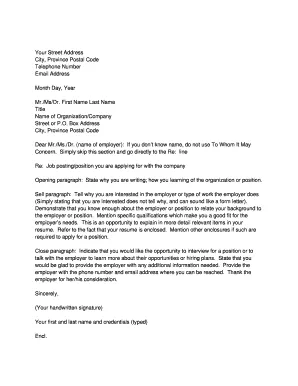
Choose a professional closing, such as ‘Sincerely,’ ‘Best regards,’ or ‘Thank you.’ Ensure your contact information is accurate and easy to find. Include your full name, phone number, email address, and, if applicable, your LinkedIn profile URL. Review this information carefully to avoid any errors that could hinder communication. Also, make sure your contact details are updated. Provide your contact information where it is easily accessible for the hiring manager. Check that the contact information is correct before submitting your application. Proofread it carefully to ensure accuracy.
Cover Letter Examples That Work
Reviewing cover letter examples can give you valuable insights and inspiration. Different industries and roles may require different approaches, so it is essential to find examples that fit your specific needs. These examples serve as templates, providing ideas for content and formatting. Use the examples to improve your letters. These templates can help you with phrasing, structure, and overall presentation. Always adapt the examples to fit your circumstances. Tailor them to your individual skills and experiences to make a genuine connection.
Example 1 Entry-Level Position
For entry-level positions, your cover letter should highlight your academic achievements, internships, and any relevant projects or volunteer work. Show your eagerness to learn and your adaptability. If you are new to the field, emphasize transferable skills like communication, teamwork, and problem-solving. Focus on your potential and ability to quickly contribute to the team. Provide all pertinent details without being overly verbose. Keep the reader interested by focusing on your qualifications and achievements. Showcase your eagerness to learn and your enthusiasm for the position.
Example 2 Career Change

When making a career change, focus on your transferable skills and accomplishments. Highlight the skills and experiences that are relevant to the new role. Show how your past experiences have prepared you for success in your new career path. Explain why you are changing careers and demonstrate your genuine interest in the new field. Demonstrate your willingness to learn new skills and adapt to a new environment. Tailor your letter to address the company’s needs and the skills required for the new role. This helps the hiring manager understand how you can transition and bring value.
Example 3 Specific Industry
For specific industries, tailor your cover letter to the industry standards and expectations. Research the industry’s terminology, values, and the types of skills they prioritize. Showcase your knowledge and understanding of the industry. Include examples of how you have contributed to the industry in the past. Include industry-specific keywords and phrases. Use a tone and style appropriate for the industry and the company. Highlighting your familiarity with industry trends and best practices will show your commitment. Tailor your letter to address the company’s specific needs and the requirements of the industry.