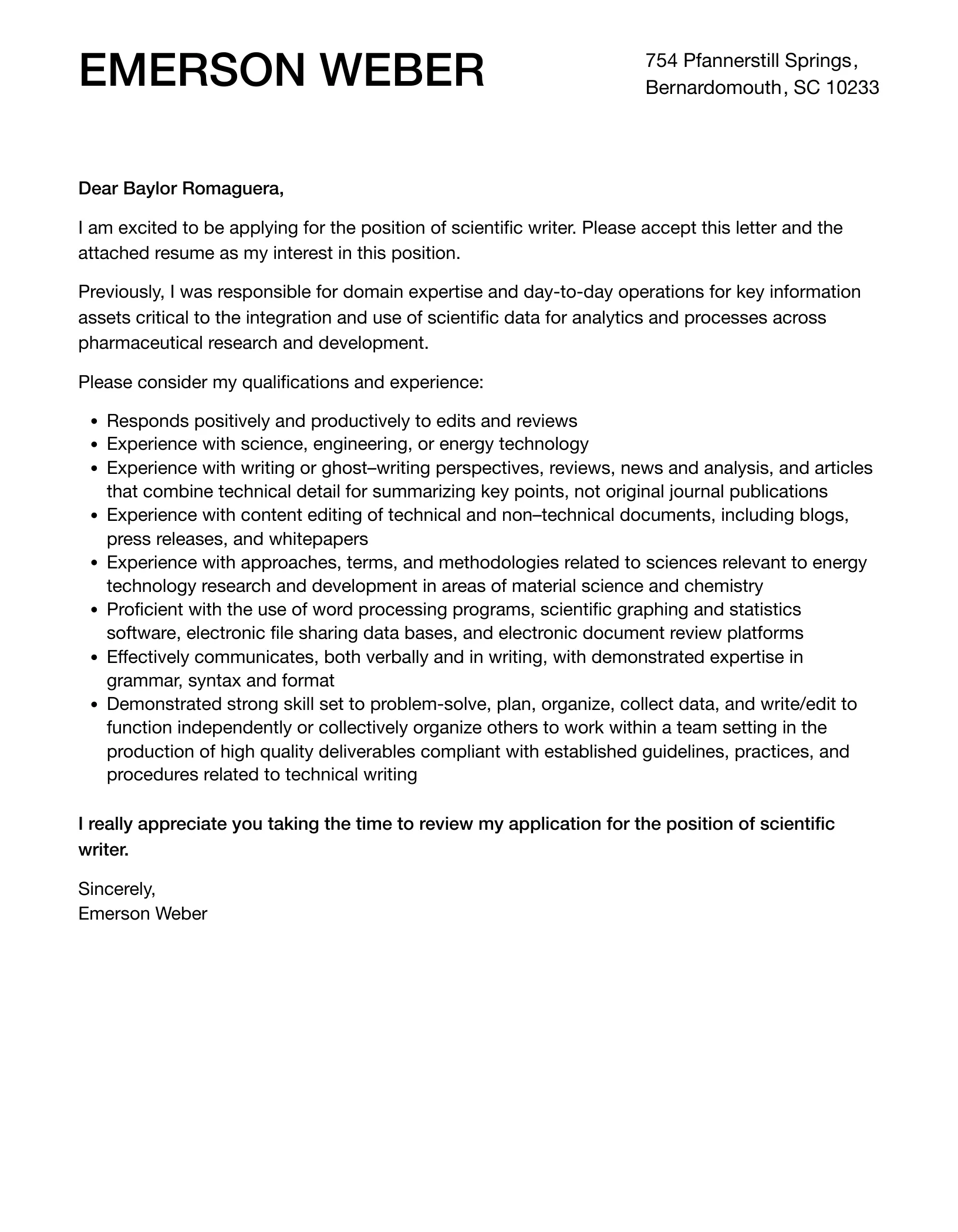
What is a Scientific Journal Cover Letter?
A scientific journal cover letter is a crucial document that accompanies your research manuscript when you submit it to a scientific journal for publication. It serves as a direct communication channel between you, the author, and the journal editor. Unlike the abstract or the main body of the research paper, the cover letter is a personalized introduction to your work. It provides context, highlights the significance of your findings, and explains why your research aligns with the journal’s scope and audience. Essentially, it is your opportunity to make a compelling first impression and persuade the editor that your manuscript merits consideration for publication. It is a formal and professional letter, distinct from informal communications, and it is tailored to the specific journal and manuscript in question.
The Purpose of a Cover Letter
The primary purpose of a cover letter is to provide a concise overview of your research and convince the editor of its suitability for the journal. It serves several key functions. First, it introduces your manuscript and states the purpose of submission. Second, it summarizes your research, highlighting its key findings and significance. Third, it explains why your research is a good fit for the journal’s scope and audience. Fourth, it confirms that your manuscript adheres to the journal’s guidelines, including formatting, ethical considerations, and conflict of interest disclosures. Finally, a well-written cover letter can significantly increase your chances of having your manuscript accepted for peer review, making it an indispensable part of the publication process. A good cover letter can set a positive tone and increase the likelihood of your manuscript getting a fair and favorable review.
Key Components of a Winning Cover Letter

A strong cover letter is structured logically and includes essential components that collectively convey the importance and suitability of your work. Key elements include the author’s information and contact details, such as the corresponding author’s full name, affiliation, address, email, and phone number. A proper salutation, addressing the editor by name if possible, is also crucial. A succinct summary of the research, including the main objectives, methods, and principal findings, is vital. You must highlight the significance and originality of your work, explaining its contributions to the field. You need to emphasize key findings and results, emphasizing the impact and implications of your research. A clear statement of why the journal is the appropriate venue for the work is also required, alongside confirmation that the manuscript adheres to the journal’s guidelines. Also include a closing with your signature and contact details.
Author Information and Contact Details
Accurate and complete author information is the foundation of your cover letter. This section should clearly state the corresponding author’s full name, affiliation, and contact details. Provide the full address of the corresponding author, including street address, city, state/province, and postal code. Include a professional email address and a phone number where the corresponding author can be reached. This information is crucial for the journal editor to contact you regarding any queries, revisions, or decisions about your manuscript. Ensuring all information is accurate and up-to-date is essential for smooth communication and processing of your submission. Failing to provide correct information can lead to delays or even the rejection of your manuscript.
Cover Letter Salutation
The salutation in your cover letter sets the tone for your communication with the editor. It is the first point of contact and should be addressed professionally. If possible, address the editor by name. This shows that you have taken the time to research and tailor your letter. You can usually find the editor’s name on the journal’s website or in the journal’s guidelines for authors. If you cannot find the editor’s name, a general salutation like ‘Dear Editor’ or ‘Dear Editorial Board’ is acceptable. However, addressing the editor by name is always preferred. Avoid casual greetings and maintain a formal tone throughout the salutation.
Summarizing Your Research

The summary of your research should be concise and effectively communicate the essence of your work. This section should include the primary objectives of your study, the methods employed, and the key findings. Keep the summary brief, typically no more than two to three sentences. Focus on the main points of your research, highlighting what makes it unique or significant. The goal is to provide a quick overview that captures the editor’s attention and encourages them to read the full manuscript. Avoid technical jargon or overly detailed descriptions, as the cover letter is not the place for extensive data. The summary should give the editor a clear understanding of what your paper is about.
Highlighting Significance and Originality
In this section, emphasize the importance of your research and its contribution to the field. Explain the significance of your findings, detailing why they are relevant and impactful. Describe the originality of your work, highlighting what new knowledge it brings to the scientific community. If your study challenges existing theories, provides novel solutions, or fills a gap in the current literature, be sure to state it. This is your opportunity to convince the editor that your manuscript is not only well-conducted but also adds value to the field. Clearly articulate the potential impact of your research and how it can advance understanding in the specific area of study.
Emphasizing Key Findings and Results
Focus on the key findings and the results of your study. This should go beyond a general summary and highlight the specific outcomes that support your conclusions. Mention any significant data, trends, or observations that underscore the importance of your research. If you have any particularly striking results, make sure to mention them, as this can capture the editor’s interest and make your manuscript stand out. Quantitative data, if applicable, could be included but focus more on what those data mean within the context of the study and how they fit into the bigger picture of the current scientific discussion. Do not include raw data or complex analyses, but rather the most important takeaways.
Matching the Journal’s Scope and Audience

Demonstrate that your manuscript is a good fit for the chosen journal. Explain why your research aligns with the journal’s scope, objectives, and target audience. Review the journal’s aims and scope on their website to ensure that your research falls within their subject matter and publication criteria. Cite specific examples of similar research published in the journal to show that your work is a natural fit for their readership. This shows the editor that you have done your homework and have a clear understanding of the journal’s mission. A good match between your manuscript and the journal’s scope increases the likelihood of your manuscript being sent out for peer review and ultimately, being published.
Why This Journal? Justify Your Choice
Explain why you have selected this specific journal for your manuscript. Your justification should go beyond simply stating that the journal publishes similar articles. Cite the journal’s impact factor, its reputation within the field, or any other factors that make it a suitable venue for your work. If the journal has published research that is directly relevant to your study, mention those articles and explain how your work builds upon or complements them. Showing that you have a deep understanding of the journal’s editorial policies, readership, and overall mission demonstrates that you have carefully considered your submission, which is an important consideration when submitting.
Confirming Adherence to Guidelines
In your cover letter, explicitly confirm that your manuscript adheres to the journal’s guidelines. This is a crucial step as it ensures that your submission meets the journal’s formatting, style, and submission requirements. State that your manuscript has been prepared according to the journal’s instructions for authors. Include a sentence stating that all necessary supporting documents, such as figures, tables, and supplementary materials, have been included. Be sure to address any specific requirements related to the journal’s policies, like word count limits, formatting requirements, and the use of particular citation styles. This shows the editor that you are detail-oriented and that you respect the journal’s submission standards.
Address Ethical Considerations and Conflicts of Interest

Transparency in research is crucial, so ensure that you address all ethical considerations and potential conflicts of interest. If your study involved human subjects or animal experimentation, state that the research was conducted with ethical approval from the relevant institutional review board or ethics committee. Indicate that informed consent was obtained from all participants, if applicable. Disclose any potential conflicts of interest, such as financial relationships, affiliations, or personal interests that could influence the research. This is a required part of most submissions and must be accurate and complete. By addressing these issues openly, you demonstrate integrity and build trust with the editor and the journal.
Cover Letter Closing
The closing section of your cover letter should include a formal sign-off and provide your contact information for future correspondence. Use a professional closing, such as ‘Sincerely,’ or ‘Yours faithfully.’ Then, type your full name and title or affiliation, if applicable. If the journal requires it, include your email address and phone number again for easy access. Consider adding a sentence expressing your gratitude for the editor’s time and consideration. Before submitting, carefully proofread the entire cover letter to make sure there are no errors in your contact information.
Common Mistakes to Avoid
Several common mistakes can undermine the effectiveness of your cover letter and should be avoided. Do not make it too long and avoid verbosity; keep it concise and to the point. Ensure you tailor your cover letter to each journal; avoid using a generic letter for multiple submissions. Check carefully for grammatical errors, typos, and formatting mistakes. Failing to follow the journal’s guidelines or ignoring their specific instructions can lead to rejection. Avoid using jargon or technical terms that the editor and/or reviewers may not understand. Don’t forget to include all the necessary information and be clear about the significance of your research.
Formatting and Style

Pay close attention to the formatting and style of your cover letter to ensure it is professional and easy to read. Use a standard font, such as Times New Roman or Arial, with a font size between 11 and 12 points. Use single spacing and include adequate margins for readability. Use a clear and concise writing style; avoid long, complex sentences. Structure your letter logically, with clear paragraphs and headings to guide the reader. Be professional and courteous in your tone. It is better to adhere to these requirements, as any deviation might have a negative impact on the first impression your cover letter makes.
Proofreading and Editing
Proofreading and editing are critical steps in the preparation of your cover letter. Errors can undermine your credibility. Read the letter multiple times to catch errors and inconsistencies. Check for grammatical errors, spelling mistakes, punctuation errors, and formatting inconsistencies. Ensure that your writing style is clear, concise, and professional. Consider having a colleague or a professional editor review your cover letter. Feedback from a second pair of eyes can help you identify areas for improvement and ensure your letter is polished and error-free. Investing the time in thorough proofreading increases your chances of making a positive impression on the editor.
Leveraging Templates and Examples
Templates and examples can be helpful resources when crafting your cover letter. Search for sample cover letters online, but be sure to adapt them to fit your research and the specific journal. Most journals provide guidelines or templates for cover letters on their websites. Use these templates as a starting point and customize them. Ensure that your letter reflects your unique research and is not simply a copy of an existing example. Tailoring the templates and examples you find online to fit your work and the target journal will help you create a compelling and effective cover letter.
Resources and Additional Tips

Several resources can help you write an effective scientific journal cover letter. Consult the journal’s instructions for authors, as these often include guidance on cover letters. Search online for expert advice from writing centers, universities, or scientific publishing experts. Review published cover letters in journals to see how other researchers have approached this task. Get feedback from colleagues, mentors, or professional editors. Remember to tailor your cover letter to the specific journal, highlight the significance of your research, and demonstrate your adherence to the journal’s guidelines. A well-written cover letter is a powerful tool that can increase your chances of publication and help ensure your research reaches the scientific community.