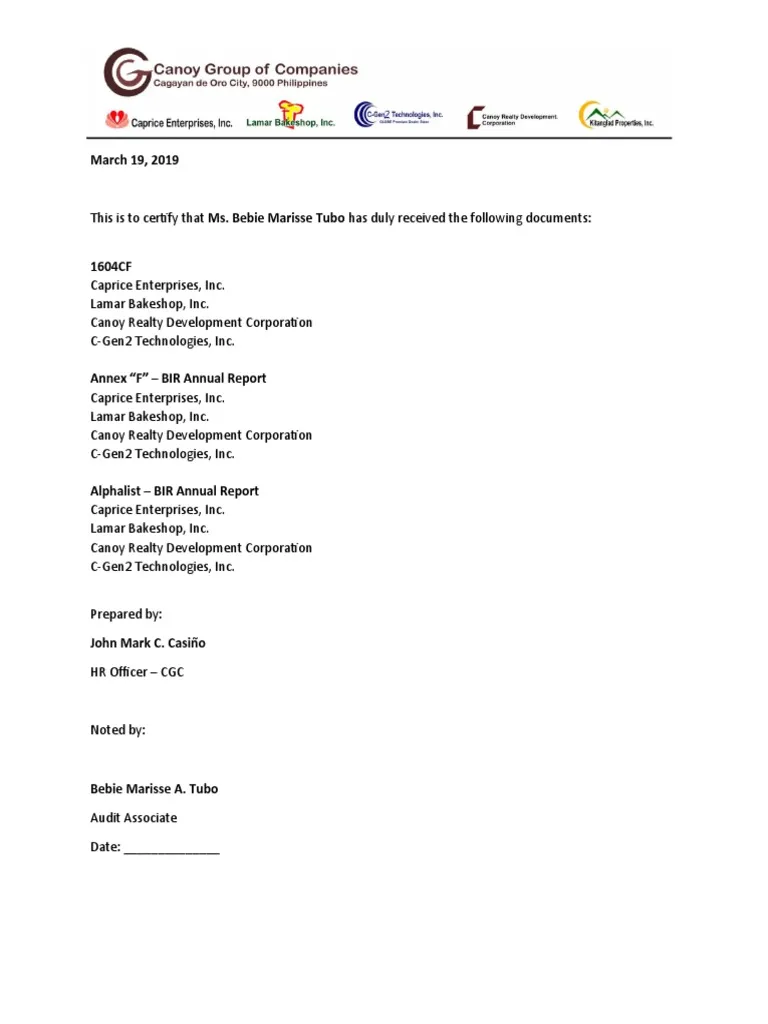
What is a Transmittal Cover Letter
A transmittal cover letter is a formal document that accompanies a package or document, serving as an introduction and providing essential context. It’s a critical tool for ensuring that the recipient understands the contents of the submission, its purpose, and any necessary actions. This letter acts as a roadmap, guiding the recipient through the enclosed materials and highlighting key information. Unlike a general cover letter for a job application, a transmittal letter is specifically designed for sending documents, reports, proposals, or other types of files. Think of it as the cover page for your documents, offering a professional overview and making sure the recipient knows what they’re receiving and why.
The Purpose of a Transmittal Cover Letter
The primary purpose of a transmittal cover letter is to communicate essential information about the enclosed documents. It informs the recipient about the nature of the submission, its context, and any actions expected of them. The letter serves multiple functions it identifies the sender and recipient, provides a brief summary of the contents, highlights key points, and may include a call to action. This type of letter aids in organization and tracking, particularly when dealing with multiple documents or complex projects. By clearly outlining the contents and their significance, the letter helps the recipient quickly grasp the submission’s relevance and take appropriate action. In essence, a transmittal letter streamlines communication, ensuring clarity and efficiency in document exchange.
Key Elements of a Transmittal Cover Letter

A well-crafted transmittal cover letter includes several key elements that ensure clarity and professionalism. These elements work in concert to effectively communicate the purpose and contents of the accompanying documents. Including all these elements can help in providing a complete information for the recipient. These are vital to create the best version of the letter.
Your Contact Information
Begin with your contact information, including your name, title (if applicable), company name, address, phone number, and email address. This allows the recipient to easily identify the sender and reach out with any questions or concerns.
Recipient’s Information
Include the recipient’s name, title, company name, and address. This is essential for ensuring the letter reaches the intended recipient. Double-check the accuracy of this information.
Project/Document Title

Clearly state the title of the project or document being transmitted. This immediately informs the recipient about the subject of the submission and helps with organization and filing.
Brief Summary of Contents
Provide a concise overview of the contents of the package. List each document or file and briefly describe its purpose or content. This helps the recipient quickly understand what is included.
Key Highlights and Purpose
Summarize the main points or highlights of the documents, and clearly state the purpose of the submission. This allows the recipient to grasp the core message and understand the significance of the enclosed materials.
Call to Action and Closing

Specify any actions required of the recipient, such as reviewing, approving, or responding to the documents. End with a professional closing, such as “Sincerely” or “Best regards,” followed by your typed name and, if applicable, your signature.
Formatting and Presentation Tips
The formatting and presentation of your transmittal cover letter contribute significantly to its professionalism and readability. The way the letter appears on the page influences how it is received and understood. Adhering to established standards ensures the letter communicates effectively and reinforces a positive impression of both the sender and the enclosed documents. This includes choosing the right font, proper spacing, and clear organization to enhance overall clarity.
Professionalism and Tone
Maintain a professional tone throughout the letter. Use formal language and avoid slang or casual expressions. Be polite, respectful, and clear in your communication. The tone should reflect the seriousness and importance of the documents being transmitted.
Proofreading and Editing

Proofread the letter meticulously for any grammatical errors, spelling mistakes, or typos. Errors can undermine your credibility and convey a lack of attention to detail. Always edit the letter to ensure clarity, conciseness, and correctness.
Common Mistakes to Avoid
Avoiding common mistakes is crucial for creating an effective transmittal cover letter. Several pitfalls can diminish the letter’s impact and create confusion for the recipient. By being aware of these mistakes and taking steps to prevent them, you can significantly improve the quality and effectiveness of your document submissions.
Using the Right Template
Avoid using overly generic templates that don’t fit the specific context of your submission. Choose a template that aligns with the purpose and type of documents you are sending. Ensure the template is customizable to include all necessary information and reflect your professional brand.
Tailoring the Letter to the Recipient

Always tailor the letter to the recipient and the specific documents being transmitted. A generic letter will not be as effective as one that addresses the recipient by name, references specific project details, and highlights the importance of the enclosed materials to their needs. This personal touch shows that you value their time and the information you are sending.
Examples of Effective Transmittal Cover Letters
Examining examples of well-written transmittal cover letters can provide valuable insights into best practices. These examples demonstrate how to structure the letter effectively, include essential information, and maintain a professional tone. Studying these examples can help you adapt your own letter to meet the specific needs of different situations and document types. Whether you’re sending legal documents, business proposals, or technical reports, learning from these examples can ensure clarity, accuracy, and effective communication.
Variations for Different Document Types
Transmittal cover letters should be adjusted based on the type of documents being sent. This ensures that the letter’s content and focus are appropriate for the specific information it conveys. The following are a few document types and considerations to keep in mind.
Legal Documents

For legal documents, the transmittal cover letter should be exceptionally formal and precise. It must clearly identify the legal document being transmitted, such as a contract, agreement, or court filing. Include specific details such as case numbers, parties involved, and the purpose of the document. It is vital to emphasize any deadlines or actions required by the recipient. Always proofread meticulously to avoid any errors that could have legal implications.
Business Proposals
When transmitting business proposals, the cover letter should highlight the proposal’s key benefits and value proposition. Briefly summarize the proposal’s goals, the problem it addresses, and the proposed solutions. Include a call to action that encourages the recipient to review the proposal and contact you for further discussion. Emphasize how your proposal meets the recipient’s needs and creates positive outcomes.
Technical Reports
For technical reports, the cover letter should provide a concise overview of the report’s findings, methodologies, and conclusions. Highlight the key results and their significance. Include a brief summary of the report’s structure and guide the recipient to the most relevant sections for their interests. Ensure the letter adheres to the conventions of technical writing, using clear and precise language.
Tips for Electronic Submissions
When submitting documents electronically, there are additional considerations to ensure your transmittal cover letter is effective and professional. These tips focus on formatting, file naming, and communication to create a seamless and efficient process for both the sender and the recipient. Paying attention to these details can enhance the overall impact of your electronic submissions and boost your credibility.
File Naming Conventions
Use clear, descriptive file names that accurately reflect the document’s content. Include the document type, project name, and date in the file name. This helps the recipient quickly identify the document and manage their files effectively. Avoid using generic names and ensure that file names are consistent across all related documents.
Email Subject Lines
Craft a clear and concise email subject line that immediately informs the recipient about the email’s purpose and the documents being transmitted. Include the project name and a brief description, such as “Project X - Proposal Submission.” This helps the recipient prioritize the email and quickly understand its content. Ensure the subject line matches the content of the transmittal cover letter.
Best Practices for Follow-up
Following up on your document submissions is an important part of the process, ensuring the documents have been received, understood, and are progressing as needed. Follow-up practices demonstrate your commitment to the project and enhance communication. By following the best practices, you can maintain professional relationships, stay informed, and ensure the smooth handling of the enclosed materials.