Why a Strong Cover Letter Matters
In the competitive world of academic publishing, your research paper must stand out. While the research itself is paramount, the cover letter serves as your first direct communication with the journal editor, shaping their initial impression. A well-crafted cover letter can significantly boost your chances of acceptance, while a poorly written one can lead to rejection, regardless of the quality of your research. It’s an opportunity to introduce your work, explain its significance, and persuade the editor that your paper merits consideration for publication. Essentially, it’s your personal sales pitch to the journal, and a strong one is crucial. Remember, the editor is busy, so make it easy for them to appreciate your work.
Elements of an Effective Research Paper Cover Letter
A successful research paper cover letter is a concise yet compelling document that conveys essential information while maintaining a professional tone. This includes the proper formatting, which is often overlooked but critically important. The content should highlight your research’s key aspects, emphasizing its significance and originality. It must be tailored to the specific journal, demonstrating that you understand their scope and target audience. You’ll also need to showcase your expertise and credentials, providing the editor with confidence in your abilities. In addition, expressing your commitment to the publication process and willingness to cooperate further is essential.
Formatting Your Cover Letter

Proper formatting is the foundation of a professional cover letter. Adhere to standard business letter formatting, including a clear and readable font like Times New Roman or Arial, with a font size between 10 and 12 points. Use single-spacing within paragraphs and double-spacing between paragraphs. Maintain consistent margins (typically one inch on all sides). Ensure that the letter is left-justified, and avoid excessive use of bolding or underlining. Keep the letter concise, ideally within one page. Poor formatting suggests a lack of attention to detail, and can lead to your letter and paper being overlooked, or even rejected, regardless of the research itself.
Contact Information and Date
Start with your contact information: your full name, address, phone number, and email address. Place this at the top left of the letter. On the right side, include the date you are submitting the letter. This information allows the editor to easily contact you and confirms the letter’s timeliness. Ensure that all contact details are accurate and current. This section sets the tone for professionalism and makes it easy for the editor to know how to reach you.
Addressee and Salutation
Address the letter to the editor of the journal, using their name if possible. Research the journal’s website to find the editor’s name; if not available, use a formal salutation such as “Dear Editor.” Avoid generic greetings. The salutation shows respect for the recipient and indicates that you have put in the effort to personalize the communication. A tailored salutation makes the letter feel less generic and increases the chances of a positive response, demonstrating attention to detail and respect for the editor’s time and role.
Highlighting Your Research

The core of your cover letter is the concise and effective summary of your research. Your main goal is to draw the editor’s attention to the most compelling aspects of your work. It should present a clear and informative overview, allowing the editor to quickly understand the paper’s purpose, methods, and main findings, which will help them determine whether it aligns with the journal’s scope. Briefly describe the research question or problem you addressed, how you investigated it, and the key results you obtained. Keep the summary brief and to the point, highlighting the key elements.
Briefly Summarize Your Research
Provide a concise summary of your research, typically within a few sentences. State the research question or objective, the methodology you used, and the main findings. Focus on the essence of your work. Avoid overly technical jargon that might alienate the editor. Instead, use language that is accessible to a broader academic audience. Be clear and straightforward in presenting the core elements of your research. This will pique the editor’s interest and encourage them to read your full manuscript.
Emphasize Significance and Novelty
Clearly state the significance of your research and highlight its novelty. Explain why your work is important and what new insights it offers to the field. Emphasize how your findings contribute to existing knowledge or address gaps in the current literature. This might involve discussing the practical implications or theoretical contributions of your work. Make the case for why your paper should be considered for publication by explaining why your work is cutting-edge, relevant, and groundbreaking. Stress the originality of your research and how it advances the field.
Mention the Target Journal

Demonstrate that you have chosen the right journal for your research. Explain why your paper is a good fit for the journal’s scope, audience, and editorial focus. Briefly mention specific articles or issues from the journal that are relevant to your work. Tailoring your letter to each journal shows that you have researched their publications and understand their editorial goals. This personalized approach greatly increases the likelihood that your paper will be seriously considered for publication. The editor will appreciate your effort to demonstrate that your research aligns with their publication goals.
Showcase Your Expertise and Credentials
Briefly introduce yourself and highlight your relevant qualifications. Mention your academic background, affiliations, and any previous publications or research experience that are pertinent to the research paper. This builds credibility and assures the editor that you are a qualified researcher in the field. You want to signal to the editor that you possess the expertise and experience needed to conduct the research and write the paper. Keep this section concise but informative, focusing on achievements relevant to the paper.
Express Your Commitment and Availability
Conclude your cover letter by expressing your commitment to the publication process. State your willingness to revise your paper according to the journal’s requirements and to respond promptly to any queries. Indicate your availability for further communication, including your email address and phone number. A professional closing indicates that you are a committed author who is eager to work with the journal. Reassure the editor that you will be responsive, making the publication process smooth and efficient.
Proofreading and Editing

Before submitting your cover letter, proofread it meticulously. Check for grammar, spelling, punctuation, and formatting errors. Ensure that the language is clear, concise, and professional. It’s always a good idea to have a colleague or a professional editor review your letter as a fresh pair of eyes can catch errors you might miss. Errors undermine your credibility and can give the impression that you are careless. A polished cover letter demonstrates that you respect the journal and have taken the time to present your work in the best possible light. Proofreading is an essential step in preparing a strong research paper cover letter.
Common Mistakes to Avoid
Certain mistakes can severely damage the effectiveness of your cover letter. Being aware of these common pitfalls can help you improve your chances of success.
Using Generic Language
Avoid using generic, boilerplate language that is not tailored to the specific journal or research. This shows a lack of effort and can suggest that you haven’t given much thought to where you’re submitting your work. Instead, tailor your cover letter to the journal’s specific requirements, audience, and scope. A generic letter makes your submission indistinguishable from others, whereas a personalized one demonstrates that you have researched the journal and understand its editorial goals.
Failing to Tailor to the Journal

Do not submit a generic cover letter to multiple journals. Each journal has its own specific focus and editorial preferences. Customize your letter to align with the particular journal’s scope, audience, and style. This includes referencing specific articles or issues from the journal and demonstrating how your paper fits within its existing publications. Failure to tailor your letter demonstrates a lack of understanding and consideration for the journal’s specific requirements.
Ignoring Formatting Guidelines
Ignoring the basic formatting guidelines or the journal’s specific submission requirements can be a critical error. Incorrect formatting reflects a lack of attention to detail and professionalism. Always adhere to the formatting guidelines provided by the journal, including font type, size, margins, and spacing. Failure to do so suggests that you are not invested in the submission. Adhering to the guidelines shows respect for the journal and increases the chances of your submission being taken seriously.
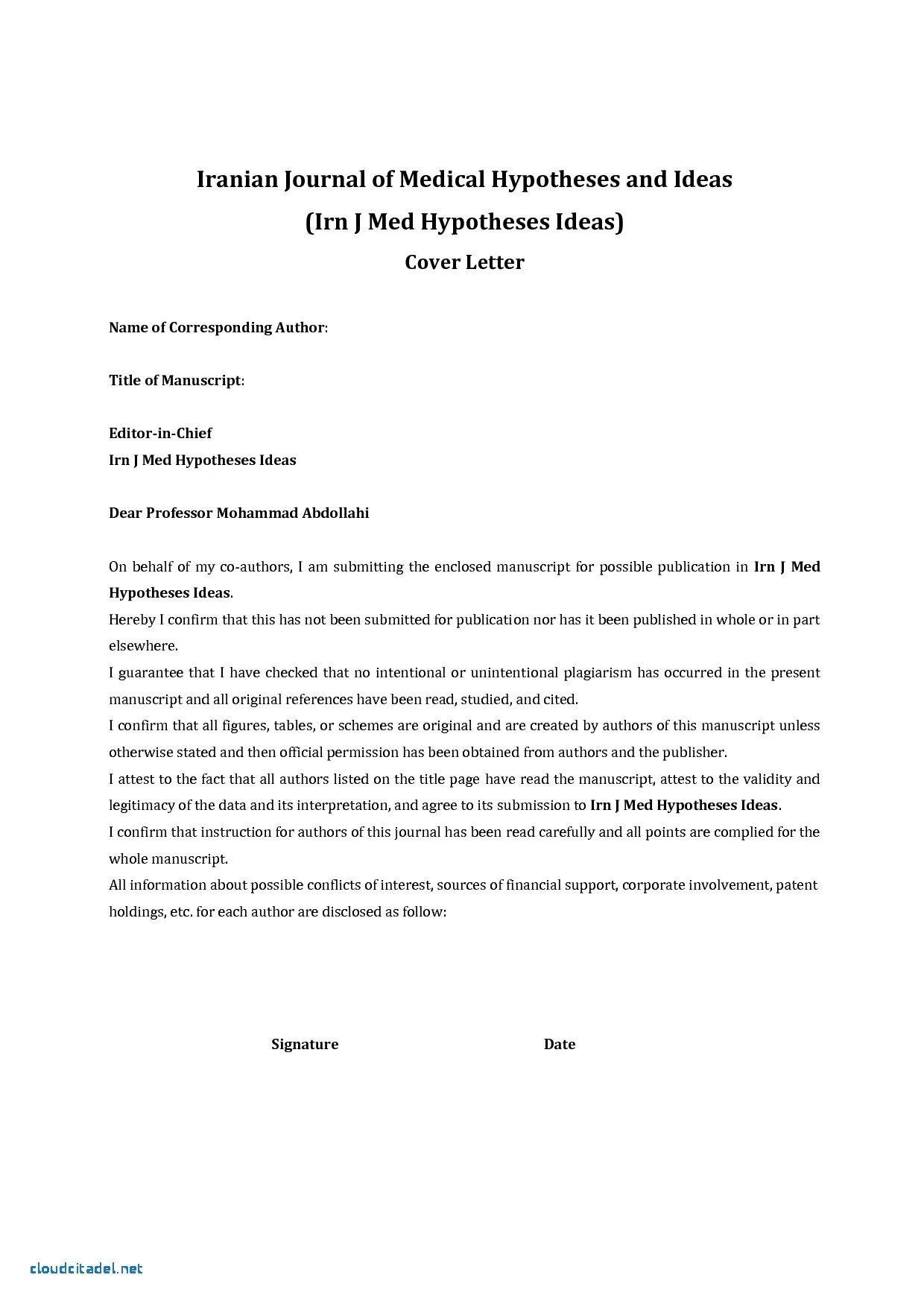
Cover Letter Sample Template
Here is a basic template to guide your writing of a research paper cover letter, it is important to customize it to each journal and your research: [Your Name] [Your Address] [Your Phone Number] [Your Email] [Date] [Editor’s Name] [Journal Name] [Journal Address] Dear Editor, I am writing to submit my manuscript entitled [Manuscript Title] for consideration in [Journal Name]. I believe that this paper aligns perfectly with your journal’s focus on [mention specific area of the journal]. In this paper, we [briefly summarize your research]. Our study’s findings reveal [main findings], which contribute to [significance]. We are confident that our results will be of interest to your readership. We confirm that this manuscript has not been published elsewhere and is not under consideration by another journal. We look forward to hearing from you soon. Sincerely, [Your Name]