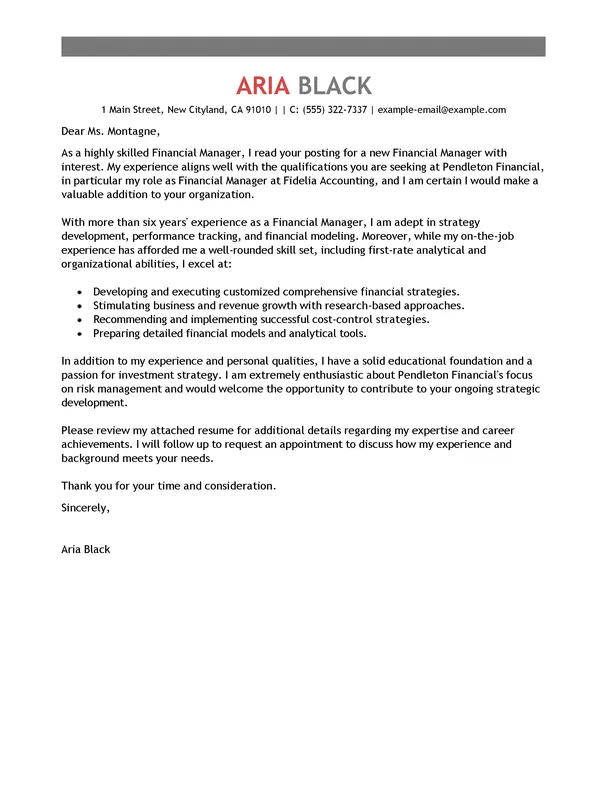
Understanding the Purpose of a Cover Letter
A cover letter serves as your initial introduction to a potential employer, providing a glimpse into your personality, skills, and qualifications beyond what’s listed in your resume. It’s a crucial component of your job application, offering an opportunity to connect with the hiring manager and demonstrate your genuine interest in the position and the company. A well-crafted cover letter can significantly increase your chances of securing an interview by highlighting your unique value proposition and explaining why you’re the ideal candidate. It allows you to showcase your writing skills and communication abilities, which are essential in nearly every professional role. Consider it your chance to make a positive first impression and differentiate yourself from other applicants. A strong cover letter complements your resume, paints a more complete picture of your capabilities, and ultimately increases your likelihood of getting hired. The cover letter provides context to your experiences and provides a window into your motivation and ambition.
The cover letter is your chance to tell a story, expand on your resume points, and add depth to your application. It can be used to address any gaps in your work history, provide insights into career changes, or explain any special circumstances relevant to your job search. The cover letter should not simply restate your resume; instead, it should provide a targeted and personalized message to the hiring manager, emphasizing your suitability for the specific role. It should demonstrate your knowledge of the company and the role. Additionally, it’s an excellent chance to showcase soft skills like communication, writing, and interpersonal skills, which are just as crucial as technical skills. Therefore, when preparing your cover letter, take time to analyze the job description and company culture. Then, tailor the language and format to meet the requirements, proving your commitment to detail and creating an engaging first impression.
What a Cover Letter Does
A cover letter serves as a targeted marketing document, designed to persuade a potential employer that you are the best fit for a specific job. It highlights your unique value proposition, showcasing your relevant skills, experiences, and accomplishments. It provides context and clarity to your application by expanding on the information presented in your resume and addressing any potential gaps or concerns. A well-written cover letter demonstrates your communication skills, attention to detail, and genuine interest in the position and the company. By highlighting how your experience aligns with the job’s requirements, the cover letter conveys why you are qualified and the value you bring to the company. It also allows you to personalize your application, demonstrating your enthusiasm and personality in a way that a resume alone cannot achieve. The cover letter essentially serves as your chance to make a compelling first impression, demonstrating your enthusiasm, and setting the stage for a potential interview.
Why a Cover Letter is Important

In today’s competitive job market, a cover letter remains a critical component of any job application. It offers a critical opportunity to make a strong first impression and demonstrate your understanding of the job and the company. A cover letter provides context and highlights your skills and experiences in a way that a resume cannot. By tailoring your cover letter to each specific job, you show your interest in the position and demonstrate your ability to research and understand the company’s needs. This personalized approach significantly increases your chances of capturing the hiring manager’s attention and progressing to the interview stage. Additionally, a cover letter serves as an excellent platform to address any potential weaknesses or gaps in your application, ensuring your story is complete and compelling. It allows you to explain career changes, provide reasons for leaving past roles, or highlight relevant experiences. In short, a well-written cover letter is an invaluable tool in your job-seeking arsenal, helping you stand out from the competition and showcase your unique qualifications.
Key Components of a Cover Letter
A perfect cover letter consists of several key components, each playing a vital role in presenting a compelling case for your candidacy. Understanding these elements and knowing how to use them effectively will significantly increase your chances of making a positive impression on hiring managers. The key is to ensure each part contributes to a cohesive and impactful message, making your application stand out. It is critical that your cover letter is tailored to each specific job application. This personalization demonstrates to employers that you care about their opportunity and have taken the time to research and understand what they seek. Remember, attention to detail and a polished presentation can set you apart from other applicants.
Header and Contact Information
The header of your cover letter should include your full name, contact information (phone number, email address, and optionally, your LinkedIn profile URL), and the date. This information should be at the top of the page, making it easy for the hiring manager to contact you. Below this, include the recipient’s information: their name, title, the company name, and the company’s address. If you don’t know the hiring manager’s name, research it or use a general greeting like ‘Dear Hiring Manager.’ Ensure all details are accurate and up-to-date to avoid any communication delays. This section provides a professional appearance and sets the tone for the entire letter. The correct formatting of the header is essential; it highlights your professionalism and helps maintain good order. This information must be easily accessible and correct.
Greeting and Salutation

Start your cover letter with a professional greeting. Whenever possible, address the hiring manager by name (e.g., ‘Dear Mr. Smith’). Researching the name of the hiring manager shows your attention to detail and your interest in the position. If you can’t find a specific name, using ‘Dear Hiring Manager’ is an acceptable alternative. Avoid generic greetings like ‘To Whom It May Concern’ or ‘Dear Sir/Madam’ as they can come across as impersonal. The opening greeting sets the tone of your cover letter and makes an immediate connection with the reader. A personal greeting indicates that you have taken the time to personalize your application. A warm, respectful greeting paves the way for a positive first impression and increases the chances of the recipient continuing to read your letter. Proper greetings are a key part of professional etiquette and should be followed.
Body Paragraphs
The body paragraphs are the heart of your cover letter, where you elaborate on your qualifications and demonstrate your suitability for the role. Typically, this section includes three to four paragraphs. The first paragraph should capture the reader’s attention with an enthusiastic hook, stating the position you’re applying for and how you learned about it. The following paragraphs should highlight your relevant skills and experiences, using specific examples to illustrate your achievements. Clearly connect your skills to the job requirements, and don’t just list your qualifications; explain how you have utilized them and what results you have achieved. Show the hiring manager what you can bring to the company and why they should consider you for an interview. The body paragraphs provide the space to tell your story and make your case for why you are the perfect candidate.
First Paragraph Hook
The opening paragraph is your opportunity to immediately capture the hiring manager’s attention. Start by clearly stating the position you are applying for and where you found the job posting. This shows you have a clear objective and have followed instructions. Following this, include a strong hook: a brief statement about your passion for the field, the company, or a key achievement. This is where you want to create a positive first impression, encouraging the reader to continue. State why the specific role interests you and connect your initial excitement to your core skills. Consider adding a specific achievement or a value that is relevant to the job requirements, and demonstrate your understanding of the company’s needs. This sets the tone for the rest of your cover letter, making it clear that you are an enthusiastic and qualified candidate.
Highlighting Relevant Skills

In the body paragraphs, specifically highlight the skills and experiences most relevant to the job description. Review the job posting and identify the key requirements, then use your letter to demonstrate how you meet them. Support each claim with specific examples of your accomplishments. Instead of simply listing your skills, provide context by explaining how you’ve used them in the past and the results you achieved. Use action verbs to describe your accomplishments and quantify your achievements whenever possible (e.g., ‘Increased sales by 15%’). Tailor your cover letter to the specific job by aligning your experiences with the requirements. Emphasize the value you can bring to the company, and showcase how your skills align with their needs.
Demonstrating Enthusiasm
Your cover letter is the place to showcase your enthusiasm for the role and the company. Show genuine interest by explaining what attracts you to the position and why you’re excited about the opportunity. Highlight your knowledge of the company, and explain why you are attracted to the role. Research the company’s mission, values, and recent accomplishments, and reference these to show that you understand their goals. Explain how your values align with theirs, and explain how you plan to contribute to those goals. Make it clear that you’re eager to join the team and contribute to the company’s success. Your enthusiasm will make a lasting impression and distinguish you from other candidates.
Call to Action and Closing
Conclude your cover letter with a strong call to action, expressing your interest in an interview and your availability. Thank the hiring manager for their time and consideration. Reiterate your contact information and express your enthusiasm to discuss your qualifications further. Use a professional closing, such as ‘Sincerely’ or ‘Best regards,’ followed by your full name. The closing paragraph provides a polished finish to your cover letter, leaving the hiring manager with a positive impression. It reinforces your interest in the position and prompts the next step in the hiring process, increasing your chance of a positive response. Your conclusion should clearly state your intentions and end on a positive note, reinforcing your enthusiasm and desire to move forward.
Formatting and Design Tips

The formatting and design of your cover letter play a crucial role in making it visually appealing and easy to read. A well-formatted letter demonstrates professionalism and attention to detail. Consider the visual impact and choose a design that complements your content. Your formatting choices reflect your professionalism and attention to detail.
Font and Readability
Select a professional and readable font, such as Times New Roman, Arial, Calibri, or Helvetica. Ensure the font size is between 10 and 12 points for optimal readability. Use consistent font sizes and styles throughout the letter. Use a clear font and keep the layout clean. Avoid using fancy or overly stylized fonts that may distract the reader. Opt for a design that emphasizes professionalism and clarity. Employ a clear and concise format to make your letter easy to scan. Focus on making your cover letter easy to read and comprehend. A readable layout increases the chances of the hiring manager reading the whole document. Proper formatting is vital, so use it to make your cover letter visually pleasing and easy to read.
Length and Structure
Keep your cover letter concise and to the point, ideally within one page. Structure your letter logically, with clear sections for each key component. Use proper spacing between paragraphs and sections to improve readability. Break up large blocks of text with bullet points or short paragraphs to maintain the reader’s interest. A well-structured cover letter is easier to follow and demonstrates your ability to communicate clearly. Ensure a balance between detail and brevity. The ideal structure should incorporate a brief introductory paragraph, several body paragraphs, and a conclusive paragraph. A concise and clear format makes it easy to read and shows your respect for the reader’s time.
Proofreading and Editing

Proofreading and editing are critical steps in ensuring your cover letter is polished and professional. Thoroughly review your letter for any grammatical errors, typos, or inconsistencies. These errors can create a negative impression, undermining your qualifications. Carefully check the format of your cover letter and the contact information to make sure that it is correct and the details are up-to-date. Ask a friend, family member, or career counselor to proofread your letter, as a fresh set of eyes can often catch errors you may have missed. Pay close attention to the content, ensuring that the information is relevant to the job and reflects your strengths and experience. A meticulously edited and proofread cover letter demonstrates your attention to detail, enhances your credibility, and increases your chances of making a favorable impression on the hiring manager. Proofreading is an essential process in writing your cover letter.
Common Mistakes to Avoid
Several common mistakes can hurt your chances of getting an interview. Avoid generic, mass-produced cover letters that lack personalization. Such letters can be quickly identified and discarded by hiring managers. Don’t repeat your resume verbatim; use the cover letter to expand on your qualifications and provide context. Be careful to not include negative information or complaints about past employers or experiences, as these can make a negative impression. Always proofread carefully to avoid grammatical errors and typos. Ensure your formatting is professional and easy to read, and do not be overly casual or informal in your writing style. Make sure your cover letter has the right information, is personalized to the job requirements, and is thoroughly proofread.
Using Action Verbs
Action verbs bring your accomplishments to life. Use strong action verbs to start each bullet point. These words make your accomplishments more impactful and dynamic. Make your cover letter dynamic and engaging by using action verbs to demonstrate your initiative and achievements. Here are some common examples. Instead of saying ‘Responsible for,’ use action verbs like ‘Managed,’ ‘Led,’ ‘Developed,’ or ‘Implemented.’ Use words that are relevant to your skills and highlight how you have contributed to past successes. Make your accomplishments more compelling by making them more vivid and direct. A carefully selected action verb makes a compelling presentation.
Tailoring Your Letter

Always tailor your cover letter to the specific job and the company. This demonstrates your attention to detail and genuine interest in the opportunity. Review the job description carefully and identify the key skills and experiences that the employer is seeking. Highlight how your qualifications align with these requirements. Use the cover letter to explain why you are the ideal candidate for this particular role. By customizing your cover letter to each application, you demonstrate a clear understanding of the job and the company’s needs. Research the company and use the information you gather to personalize your letter, referencing the company’s values and recent projects. Such a tailored approach can differentiate your application and showcase your commitment to the role.
When tailoring your letter, always address it to the hiring manager by name, if possible. This personal touch shows your attention to detail and makes a more positive impact. Highlight your understanding of the company’s mission and values. Tailor the tone and language of your cover letter to align with the company culture. Modify the content to ensure it resonates with the job requirements, and proofread carefully to remove any generic content. Demonstrate to the recruiter that you are excited and have researched the company. A tailored cover letter shows your personal understanding of the job and sets the stage for a successful job application.