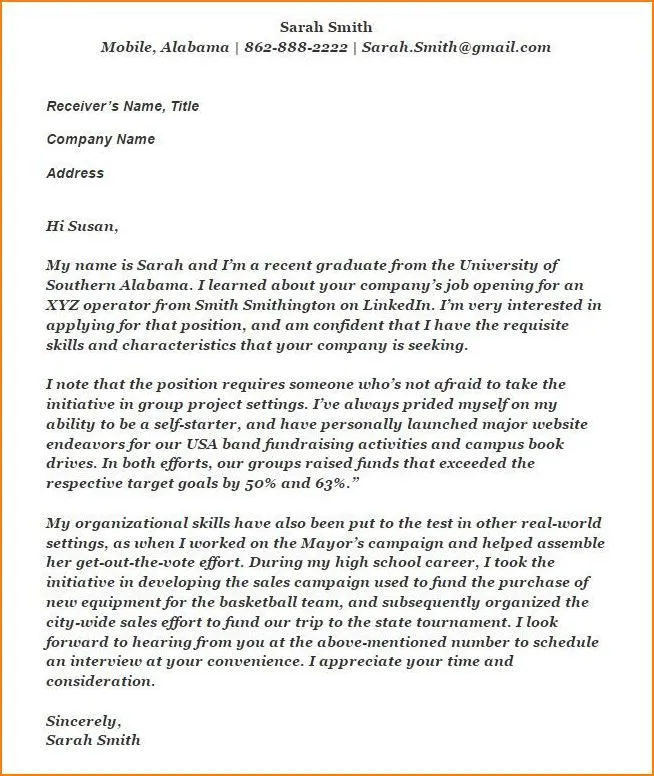
Understanding the Purpose of a Cover Letter
A cover letter is your initial introduction to a potential employer, serving as a crucial first impression. It is more than just a formality; it’s your chance to show your personality and explain why you’re a good fit for the role, even when you lack direct experience. In the absence of a lengthy work history, a well-written cover letter lets you highlight your enthusiasm, transferable skills, and any relevant experiences that showcase your potential. It’s your chance to share your story, connecting your skills and aspirations with the job’s requirements and the company’s values. The cover letter sets the stage for your resume, encouraging the hiring manager to delve deeper into your qualifications. This is particularly important when applying for entry-level jobs or when changing career paths, it is a key component of your job application.
Highlighting Transferable Skills
Transferable skills are abilities you’ve developed through past experiences, such as volunteer work, academic projects, extracurricular activities, or personal endeavors, that are applicable to the job you’re applying for. These skills fill in the experience gap, demonstrating your capability to perform required tasks. Examples include communication, teamwork, problem-solving, time management, and leadership. Think about situations where you’ve used these skills. Did you lead a school project? Did you manage a club’s finances? Did you resolve a conflict in a group project? These experiences highlight your abilities, making you a more compelling candidate. The key is to identify skills employers want and then demonstrate how you’ve used those skills in the past, even if not in a traditional job setting. This is a powerful way to show your value.
Identifying Your Skills

Begin by carefully reviewing the job description, making a list of the required skills. Then, brainstorm all of your experiences — academic, personal, volunteer, and extracurricular — and identify the skills you used in each. For instance, if the job requires strong communication skills, consider times you’ve presented ideas, written reports, or worked in a team. If it values problem-solving, think about situations where you had to find solutions to complex issues or overcome challenges. Matching your skills to job requirements is essential. This will help you build a skills inventory, which you can refer to while writing your cover letter, allowing you to effectively market yourself to the employer and make a strong case for your candidacy.
Demonstrating Soft Skills
Soft skills are the interpersonal and personal attributes that enable you to interact effectively with others. These skills often include communication, teamwork, adaptability, and leadership. Employers highly value soft skills because they contribute to a positive work environment and facilitate efficient collaboration. To effectively demonstrate your soft skills, offer specific examples of how you’ve used them in the past. Instead of simply stating that you have strong communication skills, describe a situation where you successfully conveyed information or ideas, such as presenting a project in class or mediating a dispute among group members. Use the STAR method (Situation, Task, Action, Result) to provide a structured and impactful explanation. This shows how you handled a situation, what actions you took, and the positive outcomes you achieved, which assists the hiring manager in understanding your capabilities.
Showcasing Educational Background
Your educational background is a crucial asset, particularly when you have limited professional experience. Include the name of your educational institution, your degree or diploma, and any relevant coursework or academic achievements. If your degree or coursework directly aligns with the job requirements, be sure to highlight it. Mention projects, research, or presentations that demonstrate your skills and knowledge. If you have a high GPA, consider including it as well. Beyond coursework, discuss any relevant academic activities, such as clubs, societies, or research projects. These experiences highlight your interests, skills, and personality, setting you apart. Make certain your educational background aligns with job requirements, illustrating how your education has prepared you for the role.
Formatting Your Cover Letter

A well-formatted cover letter is vital for creating a professional impression. Use a clean, readable font like Arial, Times New Roman, or Calibri, with a font size between 10 and 12 points. Keep your cover letter to a single page. Include your contact information at the top, followed by the date, the hiring manager’s name (if known), and the company’s address. Structure your cover letter with a clear introduction, body paragraphs, and a strong closing. Use concise language, an active voice, and bullet points to highlight key skills and achievements. Maintain consistent formatting throughout the document and use white space effectively to improve readability. A well-formatted cover letter demonstrates to the hiring manager that you’re detail-oriented and respect their time, which can significantly increase your chances of an interview.
Contact Information and Professional Greeting
Begin your cover letter by including your full name, address, phone number, and email address at the top. This information should be easy to locate. Following your contact information, include the date. If you know the name of the hiring manager, address the letter to them specifically. If you can’t find the hiring manager’s name, use a professional greeting like ‘Dear Hiring Manager,’ or ‘Dear [Company Name] Team.’ Avoid generic greetings like ‘To Whom It May Concern,’ which might appear impersonal. Getting the hiring manager’s name can demonstrate initiative and personalize your application. Always double-check the spelling and ensure your contact information is up-to-date and professional. Make your contact information stand out.
Writing a Compelling Opening
The opening paragraph is your first opportunity to capture the reader’s attention. Rather than using a generic opening, be specific about the position you are applying for and how you learned about it. State why you’re interested in the role and the company. If someone referred you, mention that immediately. Briefly mention your key qualifications or a standout skill or achievement. Keep your introduction concise and engaging, immediately drawing the hiring manager into the rest of the letter. The first sentence should be compelling and make them want to read more. Your introduction should establish the value you bring to the company, thus setting the tone for your entire application and making you stand out from other candidates. A great opening grabs their attention.
Body Paragraphs That Shine

The body paragraphs are where you detail your skills and experiences. Refer to the job description and clarify how your skills and experiences meet the requirements. Use the STAR method to offer concrete examples, explaining the situations, tasks, actions, and results. Quantify your accomplishments whenever possible. Focus on transferable skills and how they are relevant. Use action verbs to introduce your sentences and paint a clear picture of your abilities and achievements. Demonstrate what you have to offer instead of just stating it. Tailor each paragraph to the job description, ensuring the reader understands your qualifications and how they align with the job’s needs. Highlight your strengths and show the hiring manager what you can do.
Closing with Confidence
Close your cover letter with a strong closing statement. Reiterate your interest in the position and the company, briefly summarizing why you are a good fit. Express your enthusiasm and thank the hiring manager for their time and consideration. Include a call to action, such as stating your availability for an interview and your enthusiasm to discuss how you can contribute to the company. Use a professional closing like ‘Sincerely,’ or ‘Best regards,’ followed by your full name. Make sure your contact information is up-to-date. This final paragraph should leave the hiring manager with a positive impression and reinforce your interest in the role, which helps increase your chances of getting an interview.
Proofreading and Editing Your Cover Letter
Before submitting your cover letter, proofread it carefully for any errors in grammar, spelling, and punctuation. Errors can make your cover letter look unprofessional and can significantly diminish your chances of getting hired. Read the cover letter multiple times, and consider having a friend, family member, or career counselor review it as well. Ensure that your writing style is clear, concise, and engaging. Verify that your contact information is accurate and that you’ve tailored your letter to the job description. Check your letter for typos and formatting errors. A polished cover letter shows attention to detail, increasing your chances of a positive impact. Proofreading is the final check.