Crafting a Compelling Cover Letter
A cover letter is more than just a formality it’s your first chance to make a lasting impression on a potential employer. It’s the perfect opportunity to showcase your personality, highlight your relevant skills, and demonstrate your genuine interest in the specific role. A well-crafted cover letter can significantly increase your chances of landing an interview, setting you apart from other applicants and getting you one step closer to your dream job. Remember, this is your chance to go beyond the facts presented in your resume and tell your story.
Understanding the Purpose of a Cover Letter
The primary purpose of a cover letter is to introduce yourself and your qualifications to a potential employer. It provides context for your resume, allowing you to explain how your skills and experiences align with the job requirements. Your cover letter should articulate your enthusiasm for the position and the company, showing the hiring manager that you’ve done your research and are genuinely interested in the opportunity. It’s a chance to humanize your application, making you more than just a list of accomplishments on paper.
Highlighting Your Skills and Experiences

Your cover letter is the ideal place to elaborate on your skills and experiences. While your resume provides a summary, your cover letter allows you to showcase specific examples of how you’ve used your skills to achieve results. When describing your experiences, focus on quantifiable achievements whenever possible. Instead of simply stating your responsibilities, highlight your accomplishments using the STAR method (Situation, Task, Action, Result). This helps the hiring manager quickly understand the value you bring to the table.
Why a Cover Letter Matters
In a competitive job market, a cover letter can be the deciding factor. It demonstrates your communication skills, your attention to detail, and your genuine interest in the specific opportunity. A well-written cover letter allows you to connect with the hiring manager on a more personal level, setting you apart from other applicants who may have simply submitted a resume. A cover letter also offers the space to explain gaps in your employment history or to address any concerns the hiring manager might have about your qualifications.
Tailoring Your Cover Letter to the Job
One of the most critical aspects of cover letter writing is tailoring it to each specific job application. Generic cover letters are easily identifiable and often disregarded. Take the time to carefully review the job description, identifying the key skills and qualifications the employer is seeking. Then, highlight your relevant experiences and skills, using the same keywords and phrases from the job description. This personalization shows the hiring manager that you understand the role and are a strong fit for the company.
Structuring Your Cover Letter for Impact

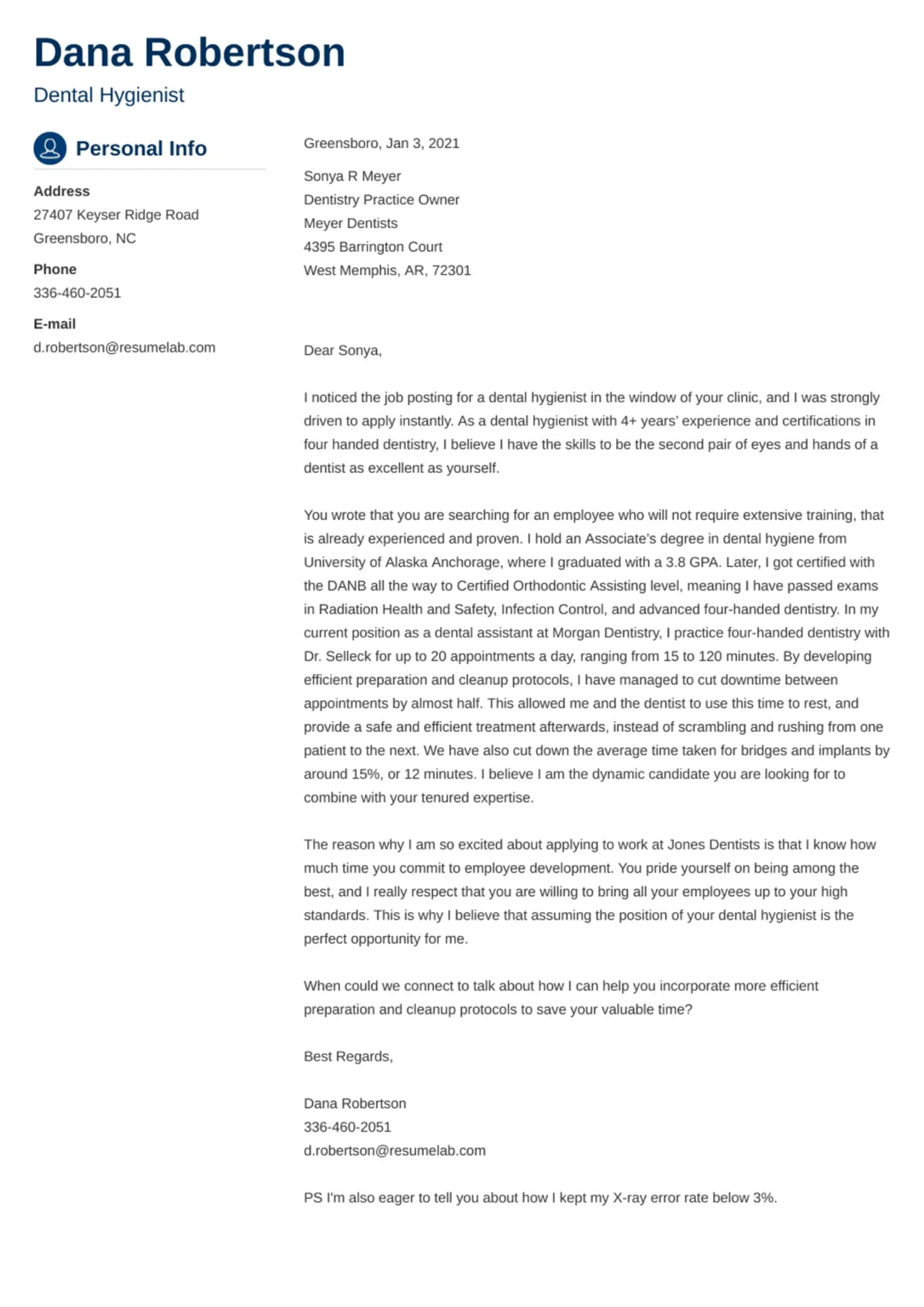
A well-structured cover letter is easy to read and makes a strong impression. Divide your cover letter into three main sections opening paragraph, body paragraphs, and closing paragraph. Each section should have a clear purpose and contribute to the overall goal of convincing the hiring manager to invite you for an interview. Use a professional tone and concise language throughout your cover letter to maintain a positive impression of you.
The Opening Paragraph Setting the Tone
The opening paragraph is your first opportunity to capture the reader’s attention. Start by stating the position you’re applying for and where you found the job posting. Briefly explain why you’re interested in the role and the company. Make sure your opening is enthusiastic and engaging, making the hiring manager want to read more. Avoid generic phrases and clichés. Get straight to the point, and provide a concise overview of your value proposition.
Middle Paragraphs Showcasing Value
The middle paragraphs are where you showcase your skills and experiences in detail. Select 2-3 key skills or experiences that align with the job requirements and provide specific examples of your accomplishments. Use the STAR method to structure your examples, clearly outlining the Situation, Task, Action, and Result. This helps the hiring manager understand the value you can bring to the role. Quantify your achievements whenever possible to demonstrate the impact you’ve made in previous roles.
The Closing Paragraph Call to Action

Your closing paragraph should reiterate your interest in the position and the company. Reiterate your relevant skills and experience. Clearly state your availability for an interview and thank the hiring manager for their time and consideration. Maintain a professional and enthusiastic tone. End your cover letter with a strong call to action, making it easy for the hiring manager to take the next step.
Formatting Your Cover Letter Professionally
Professional formatting is essential for making your cover letter look polished and professional. It makes the cover letter easier to read and shows your attention to detail. A well-formatted cover letter makes a positive impression on the hiring manager. Poor formatting can undermine the content of your letter, so it’s important to give this area the attention it deserves.
Choosing the Right Font and Size
Choose a professional and readable font like Times New Roman, Arial, or Calibri. Stick to a font size between 10 and 12 points to ensure readability. Avoid using overly stylized or decorative fonts, as they can be difficult to read and detract from the overall impression. Make sure the font is clear and professional, conveying professionalism.
Maintaining a Clean and Readable Layout

Maintain a clean and organized layout with clear margins and consistent spacing. Use single spacing within paragraphs and double spacing between paragraphs. Align your text to the left, creating a professional appearance. Make sure there are no distracting elements on the page and avoid using excessive bolding, italics, or underlining. Keep the layout consistent throughout the document to enhance readability.
Avoiding Common Cover Letter Mistakes
Even a well-written cover letter can be ruined by common mistakes. Attention to detail is crucial, so take the time to review your cover letter carefully. Be aware of common pitfalls to avoid them.
Generic vs. Personalized Cover Letters
One of the most significant mistakes is sending a generic cover letter. This indicates a lack of interest in the specific role or company. Always tailor your cover letter to the specific job and company. Show the hiring manager that you’ve done your research and understand the requirements of the position. Addressing your cover letter to a specific person within the hiring team further demonstrates your attention to detail and willingness to go the extra mile.
Typos and Grammatical Errors

Typos and grammatical errors can immediately undermine your credibility. A poorly written cover letter suggests a lack of attention to detail and professionalism. Always proofread your cover letter carefully before submitting it. Ask someone else to review it as well, as a fresh pair of eyes can often catch errors that you might miss. Use spell-check and grammar-check tools, but remember that these tools are not foolproof and should not be your only source of proofreading.
Ignoring the Job Description
Failing to address the key requirements outlined in the job description is a common mistake. Always review the job description carefully and highlight your relevant skills and experiences. Use the same keywords and phrases from the job description in your cover letter to demonstrate that you understand the requirements of the role and are a good fit for the position. Show the employer that you have thoroughly reviewed the job requirements and are prepared to fulfill the role.
Cover Letter Examples and Templates
Using cover letter examples and templates can be a great way to get started, but it is important to adapt them to your specific situation. Look at different examples for ideas.
Using Templates Effectively

Cover letter templates can provide a helpful framework, but they should not be used without customization. Start with a template that aligns with your industry and experience level. Then, customize the template to fit your specific skills, experiences, and the job requirements. Make sure to replace the generic content with your own information and tailor the language to match your personality and the company culture. The best templates will guide your writing but allow you to be yourself.
Adapting Examples to Your Situation
Cover letter examples can provide inspiration and ideas, but never copy an example verbatim. Adapt the examples to your specific situation. Change the language and examples to reflect your own skills, experiences, and the specific job requirements. Personalize the cover letter to demonstrate your understanding of the role and the company. Customize the examples to make the letter unique and original. This shows the hiring manager that you are a good fit for the position.
In conclusion, crafting a compelling cover letter is essential for success in your job search. By following the tips in this guide, you can create a cover letter that stands out from the competition. Your cover letter is your chance to make a strong first impression, so invest the time and effort to write a letter that highlights your skills and experience and demonstrates your genuine interest in the position. Use these guidelines to write the perfect cover letter and get the job you want.