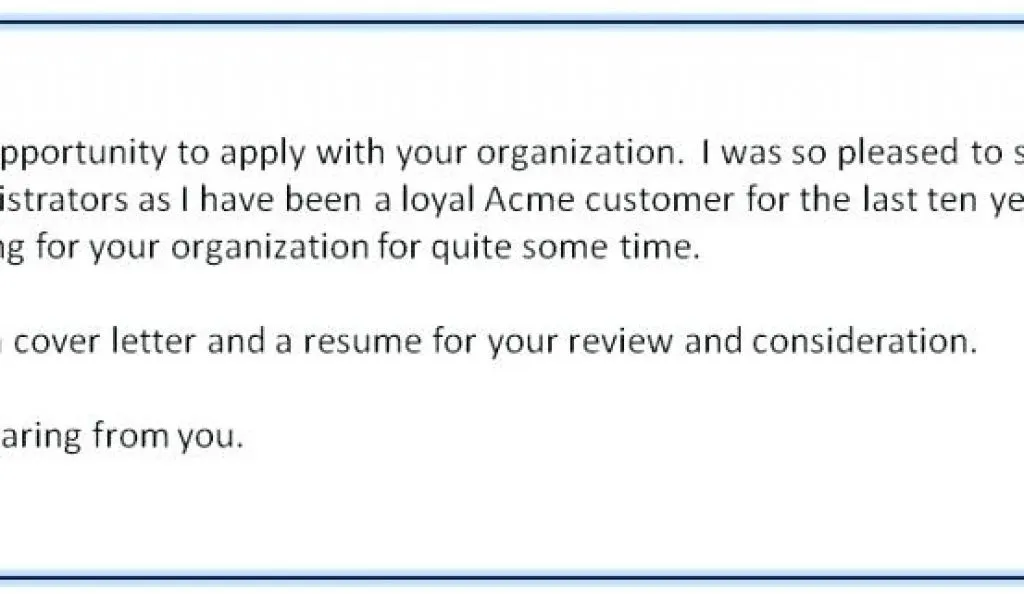
Why a Cover Letter Matters
In the competitive landscape of job applications, a cover letter is your first opportunity to make a strong impression on a potential employer. It’s more than just a formality; it’s a crucial tool to showcase your personality, passion, and how your skills align with the specific role and company. A well-crafted cover letter complements your resume, providing context and depth to your qualifications. It allows you to communicate your unique value proposition and explain why you’re the ideal candidate. By effectively using a cover letter, you can significantly increase your chances of getting noticed and securing an interview. It helps you to stand out among numerous applications, demonstrating your genuine interest and proactive approach, which can make all the difference in landing your dream job. A thoughtful cover letter provides insights into your career goals, and it demonstrates excellent written communication skills.
First Impressions
Your cover letter is the initial impression you make on a hiring manager. This first impression sets the tone for how the reader perceives your application. It’s essential to present yourself professionally, using clear, concise language and a professional tone. Avoid clichés and generic statements; instead, focus on highlighting your unique strengths and tailoring your letter to the specific job and company. A well-written cover letter immediately conveys your attention to detail and your ability to communicate effectively. This initial impression determines if the reader will continue with your application. Ensure your formatting is clean and easy to read, with proper grammar and punctuation. A cover letter should present a compelling narrative that captures the reader’s interest and motivates them to learn more about you. Making a strong first impression is critical; it often dictates whether your application will be considered.
Tailoring Your Cover Letter

One of the most important aspects of an effective cover letter is tailoring it to each job application. Generic cover letters are easily spotted and often discarded. Tailoring your letter shows you have taken the time to understand the specific requirements of the position and the values of the company. Start by carefully reviewing the job description and identifying the key skills, experiences, and qualifications the employer is seeking. Then, highlight how your background aligns with these requirements, providing specific examples that demonstrate your abilities and accomplishments. Use the company’s name throughout the letter and subtly reference their mission and values. This personalization demonstrates your genuine interest and your understanding of the company’s culture. By tailoring your cover letter, you make a much stronger case for why you are the perfect fit for the role, significantly improving your chances of getting an interview.
Research the Company
Before you begin writing, research the company. Visit their website, read their ‘About Us’ section, and explore their social media presence. Understand their mission, values, and recent achievements. This research will enable you to tailor your cover letter to their specific needs and demonstrate your genuine interest in the company. Look for any recent news, projects, or initiatives to mention and show you have done your homework. This will demonstrate that you have taken the initiative to learn about the company and are interested in working there. Mentioning specific company details in your cover letter shows that you’re not just sending out a generic application; you’re genuinely interested in the role and company. It also provides a foundation for a more personal and compelling narrative, helping your application stand out.
Key Elements of a Cover Letter
A well-structured cover letter has several key elements. Each part of your letter plays a critical role in conveying your message and making a positive impression. The key elements are the header, the greeting, the opening paragraph, the body paragraphs, and the closing paragraph with a call to action. It is essential to organize each section logically and to ensure that all sections work together cohesively to tell a story about yourself and your qualifications. A well-structured cover letter is easy to read and helps the hiring manager quickly grasp your key qualifications and your enthusiasm for the position. Without these elements, the core of your message is lost, and your letter will likely be overlooked, making it essential to pay close attention to these elements.
Header Section

The header of your cover letter is the first thing a hiring manager sees. It should include your contact information, such as your name, phone number, email address, and optionally, your LinkedIn profile URL. Ensure your contact information is current and professional. Following this, include the date and the hiring manager’s name and title, if known. If you can’t find the name of the hiring manager, use a general greeting, but always aim to find a specific name if possible. The header section is crucial because it provides easy access to your contact information. A well-formatted header shows professionalism and attention to detail, which can significantly improve your overall impression. Accurate contact details allow the hiring team to reach out to you, ensuring you do not miss any opportunities.
Greeting
The greeting sets the tone for your cover letter. Always aim to address the hiring manager by name. Research the company’s website or LinkedIn to find the appropriate person. If you’re unsure, use a professional salutation like ‘Dear Hiring Manager.’ Avoid generic greetings such as ‘To Whom It May Concern.’ When you address the hiring manager by name, it demonstrates your attention to detail and your effort to personalize your application. This creates a more personal connection and shows that you are proactive and genuinely interested in the position. It’s important to tailor your greeting to the specific company culture. Ensure your greeting is professional and respectful, setting a positive tone for the rest of your letter.
Opening Paragraph
The opening paragraph is your chance to grab the reader’s attention. Briefly state the position you are applying for and how you learned about the opportunity. Mention something specific that sparked your interest in the role or the company. This could be a recent company project or a value that resonates with you. Make a strong first impression and hook the reader with an engaging opening. Briefly highlight your most relevant skills and experiences to create immediate interest. Avoid generic statements and instead, showcase your enthusiasm and personality. The opening paragraph should be concise, compelling, and tailored to the specific job description. Your goal is to make the hiring manager want to read more. The opening paragraph is your chance to stand out from the crowd, so make it count.
Body Paragraphs
The body paragraphs of your cover letter should provide detailed information about your qualifications and experiences. Use these paragraphs to elaborate on your skills and how they align with the job requirements. Provide specific examples of your accomplishments, quantifying your achievements whenever possible. Focus on the most relevant aspects of your background, tailoring each paragraph to address the specific needs of the role and the company. Use clear and concise language. Avoid jargon and buzzwords that might confuse the reader. Ensure your paragraphs are well-structured, with each one focusing on a single point. A well-written body section supports your claims in the opening paragraph by providing concrete evidence of your capabilities. These paragraphs will solidify your narrative and present you as a suitable candidate.
Highlight Relevant Skills and Experiences
When discussing your skills and experiences, focus on those that directly relate to the job description. Review the job posting carefully and identify the key skills and qualifications the employer is seeking. Then, in your cover letter, emphasize how your skills and experience align with these requirements. Provide specific examples to illustrate your abilities. For instance, instead of saying you have ‘strong communication skills,’ describe a situation where you effectively communicated with a team to achieve a specific goal. Mention any relevant certifications or training that support your claims. Highlight achievements and responsibilities from previous roles that show how you developed relevant skills. Make it clear how your background prepares you for the specific challenges and responsibilities of the position you are applying for.
Quantify Your Achievements
Quantifying your achievements makes your cover letter more impactful. Instead of simply stating what you did, provide measurable results. Use numbers and data to demonstrate the value you brought to previous roles. For example, instead of saying you ‘increased sales,’ say you ‘increased sales by 15% within one quarter.’ Provide specific metrics that showcase your accomplishments. Think about metrics, such as revenue generated, the number of clients acquired, costs saved, and projects completed on time and under budget. Use the STAR method (Situation, Task, Action, Result) to provide context and quantify your contributions. Quantifiable achievements provide concrete evidence of your capabilities and make your application stand out. Always aim to provide evidence of your claims to make them more believable.
Showcase Your Enthusiasm

Demonstrating your enthusiasm for the role and the company is crucial. This involves conveying your passion for the industry and your genuine interest in the specific opportunity. Show that you have researched the company and understand its mission, values, and recent achievements. Mention any particular aspects of the company or the role that excite you. Be specific, and explain why you are drawn to the opportunity. Your enthusiasm should be evident throughout your letter, from your opening paragraph to your closing statement. Use words and phrases that convey excitement and eagerness to contribute to the team. Demonstrating enthusiasm differentiates you from less engaged candidates. This will show you’re not just looking for a job but are passionate about joining the company. Your excitement can make the hiring manager notice you.
Closing Paragraph
The closing paragraph provides a concise summary of your qualifications and reiterates your interest in the position. Thank the hiring manager for their time and consideration. Reiterate your enthusiasm for the role and express your eagerness to discuss your qualifications further in an interview. Keep the closing paragraph brief and to the point. Restate why you’re an excellent fit for the role, referencing the key skills and experiences you highlighted earlier in the letter. A strong closing paragraph leaves a lasting positive impression. End with a call to action, such as inviting the reader to contact you or stating that you are available for an interview. A strong closing paragraph leaves a positive impression.
Call to Action
Including a call to action in your cover letter is essential. It provides a clear direction for the hiring manager and encourages them to take the next step. Specifically, express your interest in an interview and state that you are available at their convenience. It’s also acceptable to suggest that you look forward to hearing from them soon. Make it easy for the hiring manager to contact you. Reiterate your email address and phone number if appropriate. A strong call to action can increase your chances of getting an interview and moving forward in the hiring process. A clear call to action ensures the reader knows what you expect from them, improving the likelihood of them reaching out to you.
Proofreading and Editing

Before submitting your cover letter, proofread and edit it meticulously. Check for any spelling, grammar, and punctuation errors. Errors can undermine your professionalism and credibility. Read the letter aloud to catch any awkward phrasing or grammatical mistakes. Have a friend or colleague review your letter, as a fresh set of eyes can often identify errors you might have missed. Ensure your language is consistent and your tone is appropriate for the job and company. Ensure your formatting is clean and easy to read. Proofreading and editing are essential to ensure your cover letter represents you and your abilities professionally. Ensure your final product reflects your attention to detail and your commitment to excellence. Proofreading will increase your chances of getting the job.
Cover Letter Formatting Tips
Proper formatting is crucial for making your cover letter visually appealing and easy to read. Use a professional font, such as Arial or Times New Roman, and maintain a consistent font size, ideally 11 or 12 points. Use standard 1-inch margins and single-space your text. Use paragraph breaks to separate your ideas logically and create white space. Make use of bullet points to highlight key skills or accomplishments, making the information easier to digest. Keep the letter concise, ideally no longer than one page. Well-formatted cover letters show professionalism and attention to detail. Use these formatting tips to ensure that your cover letter is polished and professional, making it easier for the hiring manager to read and appreciate your skills and enthusiasm.