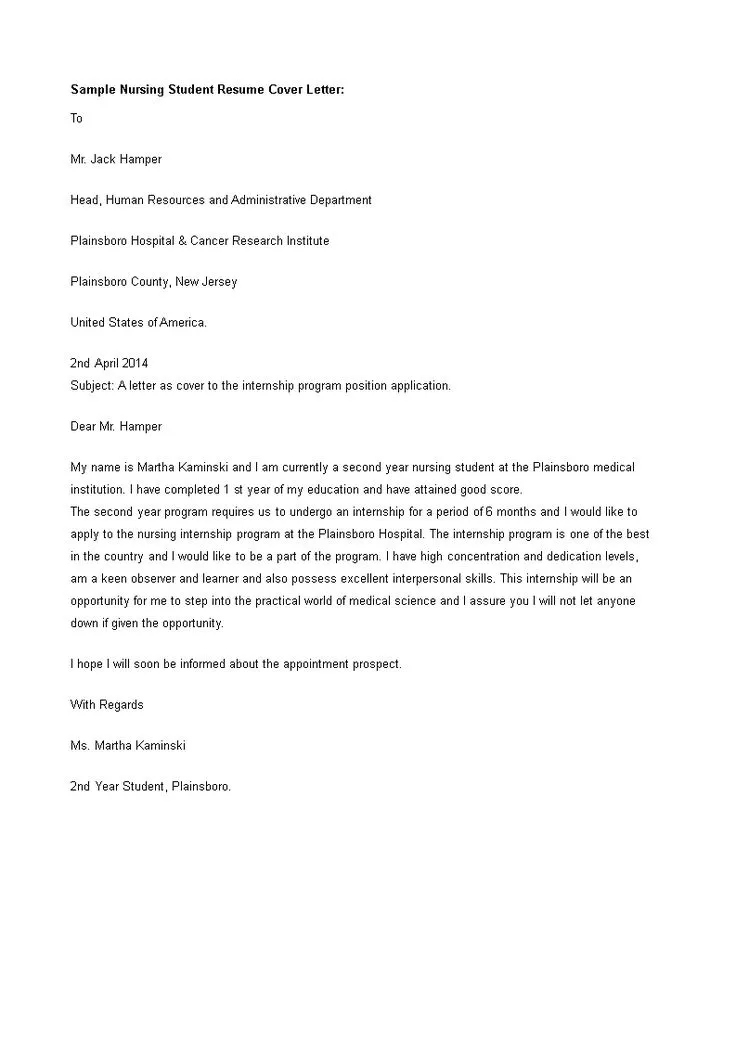
Understanding the Importance of Cover Letters
In the competitive landscape of job applications, a well-crafted cover letter is your initial opportunity to create a strong and lasting impression. It goes far beyond mere formality; it’s your chance to showcase your personality, enthusiasm, and the unique value you bring to the table. Think of it as your personal introduction, a means to transcend the basic facts of your resume and craft a compelling narrative that captures the hiring manager’s attention. A great cover letter has the power to significantly boost your chances of securing an interview, setting you apart from the sea of other candidates vying for the same position. It’s your secret weapon in the job search, a tool that can transform a basic application into a potential career breakthrough. Your cover letter is key to showing your expertise and value.
Why Cover Letters Matter for Your Application
Cover letters serve multiple critical functions that your resume alone cannot achieve. First, they give you the ability to provide context to your experience and qualifications. You can elaborate on career transitions, address gaps in your employment history, or highlight specific projects and accomplishments that align with the job requirements. Second, a cover letter is an opportunity to demonstrate your genuine interest in the company and the specific role. By researching the company and tailoring your letter to their values and goals, you show that you’ve invested time in understanding their needs and envisioning yourself as a valuable contributor. Finally, it’s a chance to showcase your communication skills, which are essential in nearly every professional setting. A well-written cover letter reflects your attention to detail, your ability to clearly articulate your thoughts, and your overall professionalism. Without a cover letter, you might miss out on a crucial opportunity to make a memorable first impression and land your dream job.
Key Elements of a Compelling Cover Letter

A compelling cover letter is built upon several key elements, each playing a vital role in its overall effectiveness. The foundation begins with your contact information and the date, ensuring clarity and professionalism. Next, addressing the hiring manager by name (when possible) personalizes your letter and shows initiative. The opening paragraph is your hook—it should immediately grab the reader’s attention, stating your purpose and expressing your enthusiasm for the position. The body of the letter should highlight your skills and experience, showcasing relevant achievements that align with the job requirements. Tailoring the letter to the specific job, researching the company and role, and using keywords from the job description are crucial for demonstrating your understanding and suitability. The closing paragraph should reiterate your interest, express gratitude, and include a clear call to action, such as requesting an interview. Finally, proofreading and formatting are essential to ensure a polished and professional presentation.
Your Contact Information and the Date
Start your cover letter by including your contact information, which should include your full name, address, phone number, and a professional email address. This ensures that the hiring manager can easily get in touch with you. Below your contact information, include the date you are submitting the cover letter. This establishes the timeline and demonstrates the professionalism of your application, ensuring the employer knows when the application was sent. Make sure the formatting is clean, using a clear font and appropriate spacing. This sets a positive tone and showcases your attention to detail from the outset. Make sure that all the information provided is accurate and up to date to increase the chances of getting contacted.
Addressing the Hiring Manager
Whenever possible, address your cover letter to a specific person. Research the hiring manager’s name and title by checking the company’s website, LinkedIn, or other sources. Addressing the letter directly adds a personal touch and demonstrates initiative. If you are unable to find a specific name, using a general greeting such as “Dear Hiring Manager” is acceptable, but always strive for personalization. Avoid generic greetings like “To Whom It May Concern,” as they can make your letter feel impersonal. The right salutation can set a positive tone and show that you have taken the time to research the company and its key personnel.
The Opening Paragraph Grabbing Attention

The opening paragraph is your opportunity to make a strong first impression. Start with a concise and engaging statement that grabs the reader’s attention immediately. State the specific position you are applying for and how you learned about it. Express your enthusiasm for the opportunity and briefly highlight what makes you a good fit. Avoid using generic phrases; instead, use a compelling hook that immediately demonstrates your interest and value. This initial paragraph should encourage the hiring manager to read further, making them want to learn more about you and your qualifications, motivating them to continue reading the rest of the cover letter and, ultimately, consider your application.
Highlighting Your Skills and Experience
The main body of your cover letter should focus on highlighting your skills and experience, demonstrating how they align with the job requirements. Carefully review the job description and identify the key skills and qualifications the employer is seeking. Provide specific examples that demonstrate how you have successfully utilized these skills in the past. Use action verbs to describe your accomplishments and quantify your results whenever possible. The goal is to show, not just tell, the hiring manager what you can do. By providing concrete evidence of your capabilities, you build credibility and make a compelling case for why you are the ideal candidate for the role. Always show examples of your success and value.
Showcasing Relevant Achievements
In addition to highlighting your skills, it’s essential to showcase relevant achievements that demonstrate your value and potential. Quantify your accomplishments whenever possible, using numbers and data to illustrate your impact. For example, if you increased sales, state the percentage or dollar amount. If you improved efficiency, mention the time or resources saved. Focus on achievements that align with the job requirements and demonstrate your ability to contribute to the company’s goals. By providing concrete examples of your past successes, you provide tangible proof of your ability to make a positive contribution to their organization. Achievements are a good way to show your capabilities.
Tailoring Your Cover Letter to the Job

Generic cover letters are easily identified and often discarded. Customize your cover letter for each job application by researching the company and the specific role you are applying for. Tailor your letter to reflect the specific needs and requirements of the position. Highlight the skills and experiences that are most relevant to the job description. Show that you have taken the time to understand the company’s mission, values, and overall goals and how your skills align with them. This level of personalization demonstrates your genuine interest and increases your chances of making a favorable impression and landing an interview. It makes the employer want to read your letter more.
Researching the Company and Role
Thorough research is essential for tailoring your cover letter effectively. Visit the company’s website, read their “About Us” section, and explore their social media presence. Understand their products or services, their target market, and their overall goals. Research the role itself, including the specific responsibilities, required skills, and the company culture. This information will enable you to personalize your letter by addressing the hiring manager by name, identifying relevant achievements, and expressing a genuine interest in both the company and the specific role. By demonstrating your understanding of the company and its specific requirements, you show that you have taken the initiative and are a serious candidate.
Using Keywords from the Job Description
Carefully review the job description and identify the keywords the employer uses to describe the necessary skills and qualifications. Incorporate these keywords naturally throughout your cover letter, especially in the skills and experience section. This helps demonstrate that you possess the required qualifications for the role. Using relevant keywords will also assist your application in getting through any applicant tracking systems (ATS) the company may use. The goal is to align your language with the employer’s as closely as possible, making it easy for them to recognize that you are a qualified candidate and increasing your chances of getting your application noticed.
The Closing Paragraph: Call to Action

The closing paragraph of your cover letter is your final opportunity to leave a lasting impression. Reiterate your interest in the position and express your gratitude for the reader’s time and consideration. Include a clear call to action, such as requesting an interview or stating your availability for a follow-up conversation. Keep the tone professional and enthusiastic. A strong closing paragraph reinforces your key selling points, demonstrates your eagerness, and encourages the hiring manager to take the next step. End your cover letter with a professional closing, such as “Sincerely” or “Best regards,” followed by your full name and any other contact information.
Expressing Your Enthusiasm and Gratitude
In your closing paragraph, express your genuine enthusiasm for the opportunity and reiterate your interest in the position. Thank the hiring manager for their time and consideration, demonstrating your appreciation for the effort they have put into reviewing your application. This courteous gesture reflects your professionalism and respect for their time. This closing paragraph will make a positive impression and highlight your enthusiasm for the opportunity, leaving the hiring manager with a favorable impression and increasing the likelihood of them contacting you to schedule an interview.
Proofreading and Formatting
Before submitting your cover letter, proofreading and formatting are crucial for ensuring a polished and professional presentation. Errors in grammar, spelling, or formatting can reflect negatively on your attention to detail and your overall professionalism. Take the time to thoroughly review your letter and, ideally, have someone else proofread it as well. A fresh pair of eyes can often catch mistakes you may have missed. Consistent formatting, clear font choices, and proper spacing enhance readability. The final result should be a well-written, error-free cover letter that showcases your skills and leaves a lasting impression on the hiring manager. Make sure that there is no error on the document and the formatting is clean and easy to read.
Checking for Grammar and Spelling

Carefully proofread your cover letter for any grammatical errors and spelling mistakes. Use a grammar checker and spell-checker to identify potential issues. However, don’t rely solely on these tools; always read your letter yourself to ensure accuracy. Pay close attention to sentence structure, punctuation, and word choice. A cover letter filled with errors undermines your credibility and may lead the hiring manager to question your attention to detail. A well-written letter with perfect grammar and spelling will present you as a professional and make a positive impression.
Formatting for Readability
Formatting your cover letter for optimal readability is just as important as the content itself. Use a clear and professional font, such as Times New Roman, Arial, or Calibri. Use a font size between 10 and 12 points. Use single spacing within paragraphs and double spacing between paragraphs. Use bold text to highlight important information, such as the job title or company name. Avoid excessively long blocks of text; break up your writing into shorter paragraphs. The layout should guide the reader’s eye, making it easy to scan and absorb the information. A well-formatted cover letter demonstrates professionalism and ensures that your message is easily understood. Make sure the formatting is consistent, easy to read, and professional looking.