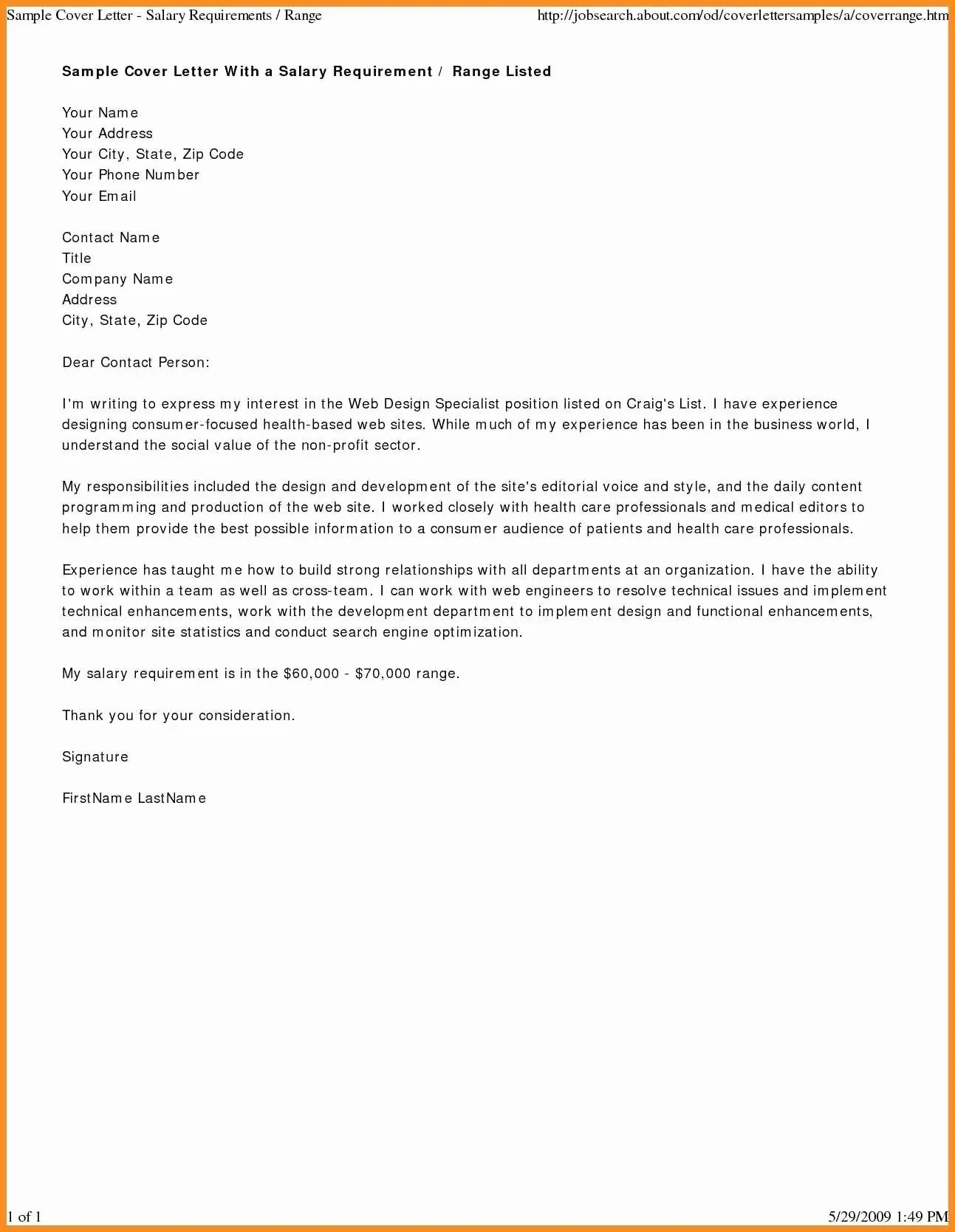
Understanding the Importance of a Cover Letter
In the competitive world of job applications, a well-crafted cover letter is your first step to making a lasting impression. It serves as more than just a formality; it is your opportunity to introduce yourself, showcase your enthusiasm, and demonstrate why you are the perfect fit for the position. Understanding its significance is crucial for maximizing your chances of landing an interview. Many applicants often overlook the importance of a cover letter, mistakenly believing that a strong resume alone is sufficient. However, a cover letter provides context, allowing you to elaborate on your experiences and skills in a way that a resume cannot. It gives you a platform to tell a story, connecting your past experiences with the requirements of the target role.
Why a Cover Letter is Essential
A cover letter is essential for several compelling reasons. Firstly, it provides the hiring manager with insights into your personality, communication skills, and writing style, which is something a resume, with its concise bullet points, cannot achieve. It allows you to highlight specific achievements and explain how your skills align with the job description. Secondly, a cover letter enables you to demonstrate your research and understanding of the company and the role. This level of personalization shows your genuine interest and commitment. Thirdly, a cover letter is a key differentiator in crowded applicant pools. It gives you the chance to stand out, emphasizing your unique value proposition and showing why you’re not just qualified, but the best candidate for the job. Finally, it helps overcome shortcomings. Perhaps there are gaps in your work history or a lack of direct experience; a cover letter provides space to explain and contextualize these issues, turning potential weaknesses into strengths.
How a Cover Letter Enhances Your Application

A cover letter significantly enhances your application by offering a personalized narrative that the resume cannot provide. It allows you to showcase your soft skills – communication, teamwork, and problem-solving – which are often difficult to convey in a list of accomplishments. It also allows you to emphasize how your skills and experiences align with the specific needs of the employer. By directly addressing the job description and highlighting relevant keywords, you show the hiring manager that you’ve carefully considered the role and are a good fit. A cover letter demonstrates your proactive approach and attention to detail. It provides a clear and concise overview of your key strengths, making it easier for the hiring manager to quickly assess your suitability. By demonstrating your research on the company, the cover letter also showcases your genuine interest, setting you apart from candidates who send generic applications.
Crafting a Compelling Email Cover Letter
Crafting a compelling email cover letter requires a strategic approach that balances professionalism with personal expression. The goal is to present yourself in the best possible light while adhering to the expectations of a formal communication. This involves carefully selecting the right words, organizing your thoughts logically, and ensuring that your message is clear, concise, and free of errors. It’s also important to tailor the content to the specific job and company, demonstrating your genuine interest and understanding of the requirements. The key to success lies in the ability to present your qualifications, experience, and skills in a way that is relevant and compelling, immediately capturing the reader’s attention and prompting them to learn more about you. This section focuses on guiding you through the essential steps to construct an email cover letter that generates positive results, from composing an engaging subject line to closing with a call to action.
Formatting Your Email for Maximum Impact
The format of your email cover letter can significantly impact the recipient’s first impression. A well-formatted email is easy to read and highlights your key qualifications, while a poorly formatted one can lead to the application being dismissed. Start with a professional font such as Arial or Times New Roman, with a size that’s easily readable (typically 11 or 12 points). Use a clear structure with paragraphs to break up the text and improve readability. Limit the use of bolding or italics to essential points; excessive use can make the email appear cluttered and unprofessional. Ensure proper spacing between lines and paragraphs. Keep the content concise and to the point, aiming for no more than three to four paragraphs. Before sending, proofread the email carefully to ensure there are no errors. It’s also important to consider the platform you’re using to send the email. Ensure that the formatting displays correctly on different devices and email clients to avoid a distorted presentation of your cover letter.
Writing a Strong Subject Line

Your subject line is the first thing the recipient sees, and it can influence whether they open your email or not. A strong subject line is clear, concise, and directly relevant to the job or position you are applying for. Avoid generic subject lines like ‘Cover Letter’ or ‘Job Application’. Instead, include the job title and your name, such as ‘Marketing Manager Application - [Your Name]’. Another effective approach is to mention the source of the job posting, or the specific company you’re applying to, for example, ‘Application for Software Engineer Position - [Company Name]’. If you’ve been referred by someone, mention their name in the subject line. Keep it brief, avoiding unnecessary words. The goal is to immediately grab the reader’s attention and signal the purpose of the email, increasing the likelihood that your application will be opened and reviewed. (See image: email-subject-line.webp)
Addressing the Recipient Correctly
Proper addressing is essential for demonstrating your professionalism and attention to detail. Begin your email cover letter with a formal salutation, such as ‘Dear Mr./Ms./Mx. [Last Name]’ if you know the hiring manager’s name. If you’re unsure of the name, you can use ‘Dear Hiring Manager’ or ‘Dear [Company Name] Team’, which are generally considered acceptable, but always try to find the hiring manager’s name. Research the company website, LinkedIn, or job posting to find this information. Avoid informal greetings like ‘Hi’ or ‘Hello’, as they might not be suitable for a professional setting. Use correct titles (Mr., Ms., Dr., etc.) to show respect. Double-check the spelling of the recipient’s name and title. Accurate addressing shows that you’ve taken the time to learn about the company and the people involved in the hiring process, which makes a positive impression from the start.
Opening with a Hook
The opening paragraph is your chance to immediately capture the hiring manager’s attention and set the tone for the rest of your cover letter. Start with a hook – something that immediately grabs their interest. This could be a brief statement about why you are excited about the position, a mention of a shared connection, or a concise summary of your most relevant skills and experience. Avoid generic opening lines like ‘I am writing to apply for the position…’ Instead, try to showcase your personality and connect your background to the job requirements. Make sure the hook is brief and to the point, and it smoothly transitions into the core of your message. The goal is to encourage the reader to continue reading and learn more about you and your qualifications. Ensure that the tone is professional and the content is tailored to the specific job.
Highlighting Your Key Skills and Experience

In the body of your email, you must highlight your key skills and experience, connecting them directly to the job requirements. Review the job description carefully and identify the most important skills and qualifications the employer is seeking. For each skill, provide specific examples of how you’ve utilized it and achieved positive outcomes. Use the STAR method (Situation, Task, Action, Result) to provide context and demonstrate your capabilities effectively. Tailor your examples to match the company’s needs and values. Quantify your achievements whenever possible by including data and numbers to illustrate your success. Clearly articulate how your background aligns with the job and the value you bring to the company. Avoid simply listing skills; instead, demonstrate them with compelling examples. (See image: key-skills-cover-letter.webp)
Connecting Your Skills to the Job Requirements
One of the most critical parts of your email cover letter is directly connecting your skills to the job requirements. This means going beyond merely listing your skills and explaining how they align with the specific needs of the role. Begin by thoroughly analyzing the job description to identify the key qualifications and expectations. Then, within your cover letter, address each of these requirements with specific examples from your experience. Show how your skills, knowledge, and experiences translate into your ability to excel in the position. Frame your responses using the language used in the job description. For instance, if the job description mentions ‘project management,’ highlight your experience in managing projects and any related achievements. This demonstrates your ability to understand the job’s requirements and your confidence in meeting them. This targeted approach ensures that the hiring manager immediately sees the relevance of your skills and how you are the best fit for the role.
Quantifying Your Achievements
Quantifying your achievements is a powerful way to demonstrate the impact of your work and make your email cover letter more compelling. Instead of simply stating what you did, provide concrete data and numbers to show the results of your actions. Use metrics, percentages, and specific figures to illustrate your accomplishments. For example, instead of saying ‘Improved sales,’ say ‘Increased sales by 20% in one quarter.’ If you managed projects, mention the budget, the number of team members involved, and the results achieved. Include these metrics in your resume and cover letter. By quantifying your achievements, you provide tangible evidence of your value and make it easier for the hiring manager to understand the extent of your contributions. (See image: cover-letter-achievements.webp)
Demonstrating Your Enthusiasm and Fit

Demonstrating your enthusiasm and fit for the position and the company is essential in the email cover letter. Show your genuine interest in the role and express your excitement about the opportunity. Demonstrate that you’ve researched the company by mentioning specific projects, values, or recent news that resonates with you. Explain why you are interested in the company and how your personal and professional goals align with its mission. Highlight aspects of the company culture that appeal to you. Show that you understand the company’s values and goals and how your skills and experience can contribute to their success. Your enthusiasm should come across naturally and authentically, reflecting your genuine desire to be a part of their team. Avoid generic statements; instead, make your enthusiasm specific and tailored to the company and role.
Closing Your Email Cover Letter
The closing of your email cover letter is an opportunity to summarize your interest and leave a lasting impression. Reiterate your enthusiasm for the role and the company. Briefly restate why you are a strong fit and what you bring to the table. Keep the tone positive and confident. Thank the hiring manager for their time and consideration. Avoid generic phrases; tailor the closing to the specific job and company. Show a proactive attitude by expressing your desire to discuss your qualifications further. (See image: cover-letter-email.webp)
Expressing Gratitude and Offering Next Steps
In your closing, expressing gratitude is a professional and polite gesture that leaves a positive impression. Thank the hiring manager for their time and consideration. This shows respect and appreciation for the opportunity to apply for the role. Along with expressing gratitude, offer the next steps. State that you are available for an interview and provide your contact information. Encourage the hiring manager to reach out to you at their convenience. Make it easy for them to move forward. Include your phone number, email, and, if appropriate, a link to your LinkedIn profile or online portfolio. By making it convenient for the hiring manager to contact you, you increase your chances of being considered for the role. Ensure your email address and phone number are correct and up-to-date.
Proofreading and Editing Your Cover Letter

Proofreading and editing your email cover letter is a crucial step that ensures it presents you in the best possible light. Errors in grammar, spelling, and punctuation can undermine your credibility and give the impression that you lack attention to detail. Carefully review the content for accuracy, clarity, and conciseness. Read the email aloud to catch any awkward phrasing or grammatical errors. Check for proper capitalization, sentence structure, and the correct use of punctuation. Ensure that the tone is professional and the language is appropriate for the target audience. Consider using spell-check and grammar-check tools, but remember that these tools are not foolproof. Have a second pair of eyes review your cover letter. Ask a friend, mentor, or career advisor to proofread your email. They can catch errors you might have missed, and offer valuable feedback on your overall presentation. (See image: cover-letter-formatting.webp)
Ensuring Error-Free Content
Ensuring your email cover letter is error-free is a fundamental requirement for making a positive impression. Proofread your content meticulously to identify any mistakes in grammar, spelling, punctuation, and word choice. Check that you are using the correct form of words (e.g., their, there, they’re) and that your sentences are grammatically correct. Ensure that all names, titles, and company names are spelled correctly. Use a grammar and spell checker, but don’t rely on them completely. These tools can often miss subtle errors. Reading your cover letter aloud can help you catch awkward phrasing. Give yourself time between writing and proofreading. This allows you to approach the content with fresh eyes. Consider asking a friend or colleague to review your cover letter. A second opinion can provide invaluable feedback and catch errors you may have missed.
Reviewing for Clarity and Conciseness
Reviewing your email cover letter for clarity and conciseness is essential for ensuring that your message is easy to understand and leaves a lasting impression. Clarity means that your points are expressed in a way that is readily understandable to the reader. Each sentence should be clear and precise, and the overall structure of your email should be logical and coherent. Avoid using jargon or overly complex language that might confuse the reader. Conciseness is about conveying your message efficiently. Avoid unnecessary words or phrases. Get straight to the point and avoid using lengthy sentences. Be economical with your words. The goal is to communicate your qualifications and enthusiasm in a way that is both engaging and informative. Ensure that your key strengths and experiences are highlighted effectively, and that you do not waste the reader’s time with irrelevant information. Eliminate any redundancies. Edit your letter with the aim of making it as concise and impactful as possible.
Tailoring Your Cover Letter for Each Application

Tailoring your email cover letter for each application is critical to demonstrate your genuine interest and suitability for the specific role and company. A generic cover letter, sent to multiple employers, is easily recognizable and often gets dismissed. A tailored cover letter shows the hiring manager that you have taken the time to understand the job requirements and are enthusiastic about the specific opportunity. Start by carefully reviewing the job description, identifying the key skills, experiences, and qualifications the employer is seeking. Then, customize your cover letter to address these specific requirements. Highlight relevant examples from your background that match the employer’s needs and use the same keywords and phrases as in the job description. Show that you’ve researched the company, by mentioning specific projects, values, or news items. This personalization signals your commitment and differentiates you from other applicants.
Customizing for the Specific Job and Company
Customizing your email cover letter for the specific job and company requires a detailed approach. Start by researching the company. Visit their website, review their social media profiles, and read industry articles to gain a deeper understanding of their mission, values, and current initiatives. Use this information to tailor your cover letter and show how your skills and experience align with the company’s goals. Analyze the job description carefully, identifying the key requirements. Make sure to address each of these requirements in your cover letter. Provide specific examples that demonstrate how you have the skills, experience, and qualifications needed to excel in the role. Personalize your cover letter by mentioning specific projects, initiatives, or values that resonate with you. This shows that you have taken the time to get to know the company and are truly interested in the opportunity. Demonstrate how your contributions can add value to the company.
Adapting Your Letter to Different Industries
Adapting your email cover letter to different industries is essential because various industries have different expectations regarding format, content, and tone. Research the industry-specific conventions and standards. For instance, some industries may favor a more formal tone, while others may allow for a more casual approach. Review job descriptions for similar roles to understand what employers in that industry are looking for. Tailor your language, vocabulary, and examples to resonate with the industry’s target audience. Highlight the skills and experiences most relevant to the specific industry. If you’re transitioning to a new industry, emphasize transferable skills and explain how your background can bring value to the company. Show that you understand the industry’s current trends, challenges, and opportunities. Tailor your cover letter to reflect your understanding and your ability to contribute to the specific industry.
Common Mistakes to Avoid in Email Cover Letters
There are several common mistakes that can undermine the effectiveness of your email cover letter and decrease your chances of getting an interview. Avoiding these pitfalls is crucial for making a positive first impression. One frequent mistake is sending a generic cover letter. It’s essential to customize your cover letter for each job and company. Not tailoring the letter signals to the hiring manager that you lack genuine interest. Another common mistake is making typos and grammatical errors. Proofread your cover letter meticulously to ensure it is free of errors. Also avoid not following instructions. Carefully review the job posting for any specific instructions regarding cover letters or applications. Failing to follow the instructions can demonstrate a lack of attention to detail. Finally, avoid using informal language. Your cover letter should be professional in tone and language. A casual approach can undermine your credibility.
Generic and Uninspired Content
Generic and uninspired content is a major mistake that can make your email cover letter lose its impact. Avoid using generic phrases and templates that could be applied to any job. Generic cover letters show a lack of effort and fail to demonstrate your genuine interest in the specific role and company. Instead, tailor your cover letter to each opportunity by highlighting your relevant skills, experience, and qualifications. Make sure your cover letter is specific to the job and the company. It is also important to showcase your personality and enthusiasm. A cover letter is your chance to stand out from the competition. Use specific examples from your background, showcasing your personality. Avoid repeating information that is in your resume. Instead, use the cover letter to provide additional context, explain your career goals, and illustrate your interest in the position.
Typos and Grammatical Errors
Typos and grammatical errors in your email cover letter can damage your credibility and create a negative impression. These errors suggest a lack of attention to detail and professionalism. Review your cover letter very carefully before sending it, or ask someone else to proofread it for you. Make use of spelling and grammar-checking tools. These tools are very helpful but cannot identify all errors. Reading your cover letter out loud may help you catch mistakes that you might miss when reading silently. Ensure that all names, titles, and company names are spelled correctly. Also, review the format of your letter to ensure consistent spacing and proper paragraphing. A polished and error-free cover letter shows that you are capable of producing high-quality work, and it demonstrates your commitment to excellence.
Not Following Instructions
Not following instructions in the job posting or application process can significantly decrease your chances of getting noticed. Many job postings provide very specific instructions regarding the application process, including the required format for your cover letter and the preferred method of submitting your application. Failing to follow these instructions can suggest that you are not detail-oriented, which may lead to your application being dismissed immediately. Always review the job posting carefully. Pay attention to any specific requirements regarding the length of the cover letter, the required file format, and any other special instructions. If the job posting provides specific instructions, such as the format of the cover letter or the information to include, be sure to follow them precisely. Always ensure you submit your application through the designated channels, as specified in the job posting. By meticulously adhering to all instructions, you demonstrate that you are organized, attentive, and a good fit for the role.
Using Informal Language
Using informal language is a major mistake in an email cover letter. A professional cover letter requires a formal tone, which involves choosing your words carefully and using appropriate grammar, punctuation, and vocabulary. Avoid using slang, contractions, and casual language. Informal language creates a negative impression, suggesting that you are not taking the job application seriously or that you lack professionalism. Proofread your letter to eliminate any colloquialisms or slang. Consider using a more formal tone than you might use in a casual email. Use proper titles (Mr., Ms., Dr., etc.) when addressing the recipient. If you are not sure whether your language is appropriate, it’s always better to err on the side of formality. A well-written, professional cover letter is key for getting your application to stand out and increasing your chances of landing the job.
Examples of Effective Email Cover Letters
Reviewing examples of effective email cover letters is an excellent way to learn best practices and get inspiration. These examples can serve as templates for your own cover letter, showcasing how to structure your thoughts, highlight your qualifications, and tailor your message for different types of jobs. Pay attention to the opening, the organization, and the closing. Note how the candidates present their skills and experiences in a way that is relevant to the job requirements. Analyze how the candidates address the specific needs of the employer and demonstrate their enthusiasm for the opportunity. Adapt these examples to fit your own experiences and the specific job you’re applying for. Remember that the most effective cover letters are always tailored to the specific role and company.
Example 1: For a Marketing Position
Subject Marketing Manager Application - [Your Name] Dear [Hiring Manager Name], I am writing to express my enthusiastic interest in the Marketing Manager position at [Company Name], as advertised on [Platform]. With over five years of experience in developing and implementing successful marketing campaigns, I am confident I can make a significant contribution to your team. During my tenure at [Previous Company], I led a campaign that increased website traffic by 30% and generated a 15% rise in lead conversions. My key skills include digital marketing, content creation, and data analysis. I am proficient with various marketing tools such as Google Analytics, HubSpot, and social media platforms. I am particularly excited about the opportunity to work with [Company Name] because of [mention something specific about the company]. I am eager to learn more and discuss how my skills and experiences align with your company’s goals. Thank you for your time and consideration. I look forward to hearing from you. Sincerely, [Your Name]
Example 2: For a Software Engineering Role
Subject Software Engineer Application - [Your Name] Dear Hiring Manager, I am writing to apply for the Software Engineer position at [Company Name], as seen on [Platform]. With a strong background in software development and a proven track record of delivering high-quality projects, I am confident that I possess the skills and experience to excel in this role. I am proficient in programming languages such as Java, Python, and C++, and I have experience in designing, developing, and testing software applications. My contributions at [Previous Company] include developing a new feature that improved application performance by 25%. I am particularly drawn to [Company Name]’s innovative approach to [mention something specific]. I am enthusiastic about the opportunity to contribute to your team and am eager to discuss my qualifications further. Thank you for considering my application. I welcome the chance to speak with you soon. Best Regards, [Your Name]
Example 3: For a Project Management Job
Subject Project Manager Application - [Your Name] Dear Hiring Manager, I am writing to express my interest in the Project Manager position at [Company Name]. I have a solid experience in managing complex projects and delivering them on time and within budget. During my previous role at [Previous Company], I successfully managed [Number] projects, including [Project Name], consistently meeting all requirements and achieving the desired goals. My key strengths include project planning, team leadership, risk management, and stakeholder communication. I have successfully implemented project management methodologies such as Agile and Scrum. I am impressed by [Company Name]’s commitment to [mention specific project or company value] and believe my expertise can contribute greatly to your team. I am excited about the opportunity to discuss my qualifications further. Thank you for considering my application. I look forward to the possibility of an interview. Sincerely, [Your Name]