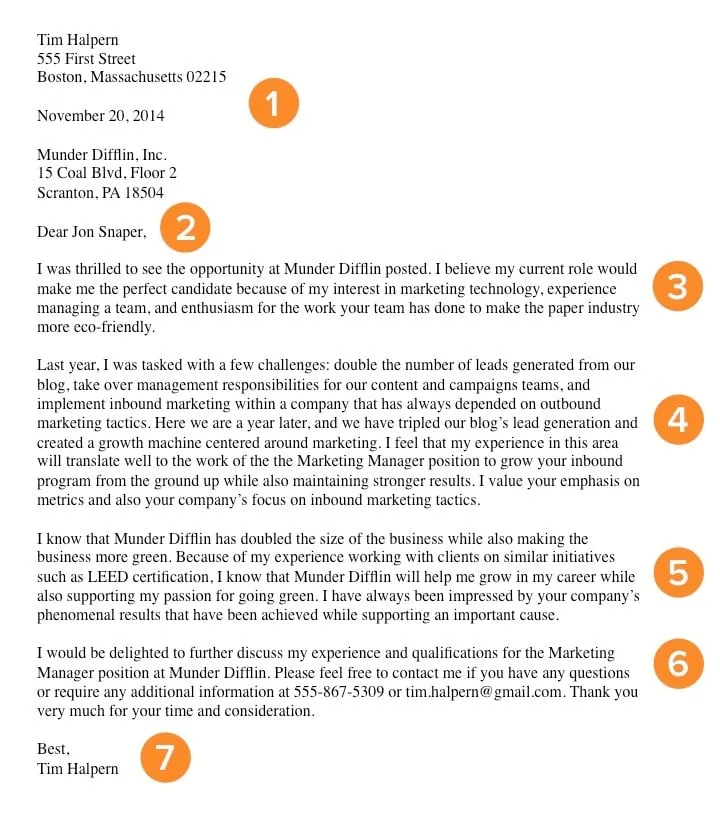
What is a Cover Letter?
A cover letter is a one-page document that you submit as part of your job application alongside your resume. It serves as an introduction to your potential employer, providing context and highlighting your most relevant qualifications and skills. Unlike a resume, which is a summary of your work history, a cover letter allows you to explain why you are a good fit for the specific job and company. It’s your opportunity to make a strong first impression, express your enthusiasm for the position, and persuade the hiring manager to read your resume and consider you for an interview. In essence, the cover letter is a persuasive marketing tool that showcases your value to a prospective employer.
The Purpose of a Cover Letter
The primary purpose of a cover letter is to convince the hiring manager that you are the best candidate for the job. It allows you to personalize your application and demonstrate a genuine interest in the company and the role. The cover letter complements your resume by providing additional context, such as your career goals and how your skills and experiences align with the job requirements. It allows you to elaborate on specific achievements, explain any gaps in your employment history, and express your enthusiasm for the opportunity. Furthermore, a well-crafted cover letter can distinguish you from other applicants, especially if you have a unique skill set or a compelling story to tell. It shows that you are not just sending out generic applications; instead, you are taking the time to tailor your message to the specific job and company, which can significantly increase your chances of getting an interview.
Cover Letter Essentials [Key Components]

A compelling cover letter should include several key components to effectively communicate your qualifications and enthusiasm. First, start with your contact information and the date, followed by the hiring manager’s details. This establishes a professional tone and shows that you have taken the time to personalize your application. Next, craft a compelling salutation, addressing the hiring manager by name if possible. In the body of the letter, you should have a strong opening paragraph to grab their attention, followed by paragraphs that highlight your relevant skills, experience, and achievements. Tailor your cover letter to the specific job description, using relevant keywords and providing concrete examples of your accomplishments. Finally, end with a clear call to action, expressing your interest in an interview and thanking the reader for their time and consideration. The overall structure of your cover letter is crucial to ensuring that the content is easy to read and understand.
Your Contact Information and Date
At the top of your cover letter, include your contact information: your full name, phone number, email address, and optionally, your LinkedIn profile URL. This information should be aligned to the left or right and formatted neatly. Below your contact information, include the date on which you are submitting your application. It is a simple but important element that maintains a professional appearance. Ensure that your contact details are accurate and up-to-date so that the hiring manager can easily reach you if they are interested in your application. This part of the letter is the first thing the reader sees; it sets the tone for the rest of your communication. Be sure your font is easily readable and professional. Make sure your email address is appropriate.
The Hiring Manager’s Details
If you can identify the hiring manager’s name and title, address your letter to them. This personalization demonstrates that you have done your research and are genuinely interested in the opportunity. If you are unable to find a specific name, it is acceptable to use a general greeting such as “Dear Hiring Manager.” Include the company’s name and address as well. This adds a layer of professionalism to your letter, making it clear that the application is tailored to the company’s specific needs. To find the hiring manager’s name, check the job posting, the company’s website (such as the “About Us” or “Careers” pages), or LinkedIn. Addressing the letter to a specific person can increase your chances of getting noticed. It also makes the cover letter more personal.
Crafting a Compelling Salutation

Your salutation sets the tone for the entire cover letter. Using the hiring manager’s name (e.g., “Dear Mr. Smith”) is the most professional and effective way to start. If you are unsure of the name, a generic greeting like “Dear Hiring Manager” is acceptable. Avoid overly casual greetings such as “Hi” or “Hello” as they can diminish the professional image you are trying to convey. Ensure the salutation matches the tone and formality of the company’s culture. If you have had prior communication with the hiring manager or someone within the company, mention it briefly to personalize the letter further. Always double-check the spelling of the name to avoid any embarrassment. A well-crafted salutation is the first step in making a positive impression on the reader.
Writing the Cover Letter Body
The body of your cover letter should be divided into clear paragraphs that each serve a specific purpose. Begin with an introductory paragraph that grabs the reader’s attention, followed by paragraphs highlighting your skills, experience, and achievements. Focus on how your qualifications align with the job requirements and the company’s needs. Use concrete examples and quantifiable achievements to support your claims. Ensure the information is concise and easy to read. A well-structured body will help the hiring manager quickly understand your value proposition. The body paragraphs should be written with a clear focus on the job description and the company’s needs. Your experiences and achievements should be tailored to show how you can meet those needs.
First Paragraph [Grab Their Attention]
The first paragraph is your chance to make a strong first impression. Start with a compelling opening statement that immediately grabs the reader’s attention. You can express your enthusiasm for the position, mention how you learned about the opportunity, or briefly state why you are a good fit for the job. Avoid generic openings such as “I am writing to express my interest…” Instead, try to connect with the reader by showing your excitement and mentioning something specific about the company or the role that has drawn your interest. Your introduction must show that you have taken the time to learn about the role and the company. Keep it brief and focused, setting the stage for the rest of the letter. This initial impression is crucial for capturing the hiring manager’s interest and encouraging them to read further.
Highlighting Your Skills and Experience

In the body of your cover letter, highlight the skills and experiences that align with the job requirements. Review the job description carefully and identify the key skills and qualifications the employer is seeking. Then, provide specific examples from your work history or education that demonstrate your abilities. Use action verbs to describe your accomplishments, and quantify your achievements whenever possible. For example, instead of saying “Managed social media accounts,” say “Increased social media engagement by 30% in six months by implementing a new content strategy.” Tailor your description to the specific job, emphasizing the skills and experiences most relevant to the position. Always remember to provide the hiring manager with real-world examples of how you used these skills to achieve success.
Showcasing Your Achievements
Showcasing your achievements is crucial for making a lasting impression. Instead of simply listing your responsibilities, focus on your accomplishments and the impact you made in previous roles. Quantify your achievements whenever possible by using numbers and data to demonstrate the results of your work. For instance, instead of saying “Improved customer satisfaction,” say “Increased customer satisfaction scores by 15% through the implementation of a new customer service training program.” Provide concrete examples of how you solved problems, exceeded expectations, or contributed to company goals. Ensure that your achievements are relevant to the job requirements and highlight the value you can bring to the company. This demonstrates your ability to achieve results and provides the hiring manager with tangible evidence of your capabilities. It’s not just about what you did; it’s about what you accomplished.
Tailoring Your Cover Letter [To the Job]
One of the most important aspects of writing a successful cover letter is tailoring it to the specific job and company. Avoid sending out generic cover letters; instead, customize each letter to match the requirements of the position you are applying for. Review the job description carefully and identify the key skills, experiences, and qualifications the employer is seeking. Then, highlight your relevant experiences and skills in the body of your letter. Research the company’s mission, values, and culture to demonstrate your understanding and interest. Show how your goals align with the company’s objectives and why you are excited about the opportunity. Customizing your cover letter shows that you are genuinely interested in the role and have taken the time to understand the employer’s needs.
Use Relevant Keywords

To increase the visibility of your cover letter and make it more likely to be noticed by applicant tracking systems (ATS), incorporate relevant keywords from the job description. Carefully review the job posting and identify the key skills, qualifications, and requirements. Integrate these keywords naturally throughout your cover letter, especially in the skills and experience sections. Using relevant keywords helps your application pass through ATS and makes it easier for the hiring manager to find your resume and cover letter. However, be careful not to stuff your letter with keywords; instead, use them in a way that makes sense and demonstrates your understanding of the role. Aim for a balance between keyword optimization and clear, concise writing.
Formatting Your Cover Letter
Effective formatting is essential for making your cover letter easy to read and visually appealing. Use clear and concise language, and maintain a professional tone throughout. Divide your letter into logical paragraphs with clear topic sentences. Use bullet points to highlight key skills and achievements. Choose a professional and readable font, such as Times New Roman, Arial, or Calibri, with a font size between 10 and 12 points. Ensure that your margins are consistent and that your letter is properly aligned. Avoid using excessive colors, graphics, or elaborate formatting, as this can distract from your content. The goal of the formatting is to showcase the content clearly and concisely. A well-formatted cover letter is one that allows the hiring manager to quickly grasp the key elements of your message.
Choosing the Right Font and Size
Selecting the right font and size is a crucial formatting consideration. Choose a professional font such as Times New Roman, Arial, or Calibri to ensure readability. Avoid using overly decorative or unusual fonts, as they can detract from your message. Set the font size between 10 and 12 points to maintain clarity without making the text appear too large or too small. Keep the font consistent throughout the entire document. Remember that the goal is to create a document that is easy on the eyes. Maintain a professional image by ensuring that the font and size are consistent and readable.
Keeping it Concise

A cover letter should be concise and to the point. Aim to keep your letter to a single page. Be selective about the information you include, focusing only on the most relevant and impactful details. Avoid including unnecessary information or repeating the same points from your resume. Use clear and concise language, eliminating wordiness and jargon. Get straight to the point when discussing your skills, experience, and achievements. Be respectful of the hiring manager’s time by presenting your qualifications efficiently. Remember that conciseness demonstrates respect for their time and increases the chances of them reading and understanding your key points.
Proofreading and Editing
Proofreading and editing your cover letter are essential steps to ensure it is free of errors and presents a polished image. Before submitting your application, carefully proofread your letter for any grammatical errors, spelling mistakes, and typos. Check for clarity, conciseness, and logical flow. Read your letter aloud to catch any awkward phrasing or sentences. Consider asking a friend, family member, or career counselor to review your letter for feedback. A well-proofread cover letter demonstrates attention to detail, professionalism, and a commitment to quality. Correcting mistakes guarantees that the hiring manager views you as a serious candidate. Don’t overlook this critical step; it could make the difference between getting an interview and being passed over.
The Closing Paragraph [Call to Action]
Your closing paragraph should reiterate your interest in the position and provide a clear call to action. Express your enthusiasm for the opportunity and reiterate why you are a strong fit for the role. State your willingness to discuss your qualifications further and to participate in an interview. Thank the hiring manager for their time and consideration. Include your contact information, if it has not already been included. This closing paragraph should leave the hiring manager with a positive impression of your application and a clear understanding of how to take the next steps. The goal is to motivate the hiring manager to contact you and move forward with your application.
Signing Off Professionally

Choose a professional closing, such as “Sincerely,” “Best regards,” or “Thank you.” Avoid casual closings such as “Cheers” or “Thanks.” After the closing, leave a space for your signature if you are submitting a printed copy. Type your full name below the closing. This adds a personal touch and ensures that your contact information is readily available. Always maintain a professional tone from start to finish. The closing is the final element of your cover letter and should therefore reflect the overall tone and professional impression you have established. A professional closing completes the cover letter in a positive way.