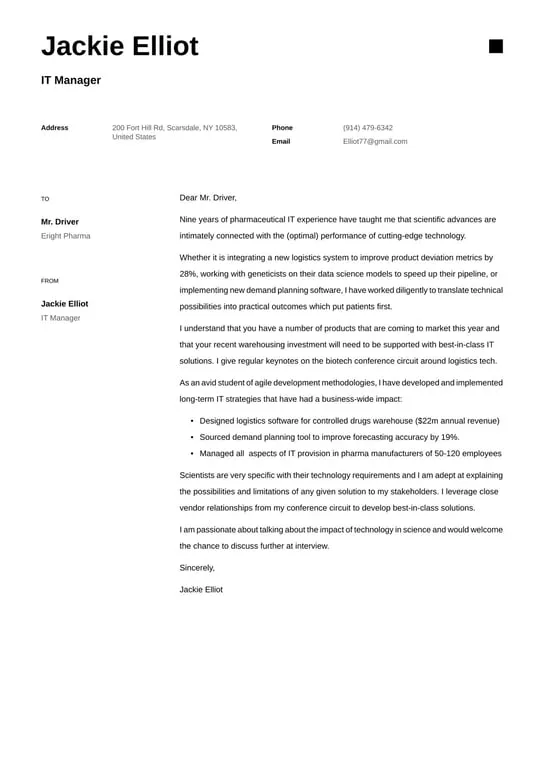
What is a Cover Letter
A cover letter is a crucial document that accompanies your resume when applying for a job. It serves as an introduction, allowing you to highlight your skills, experiences, and qualifications in a way that directly relates to the specific position you are seeking. It is a chance to showcase your personality and explain why you are the ideal candidate for the role. Think of it as your personal sales pitch, designed to persuade the hiring manager to read your resume and, ultimately, offer you an interview.
Purpose of a Cover Letter
The primary purpose of a cover letter is to express your interest in the position and the company, demonstrating how your skills and experiences align with the job requirements. It allows you to provide context to your resume, explain any gaps in your employment history, and showcase your writing skills. Furthermore, a well-crafted cover letter can set you apart from other applicants by highlighting your unique qualifications and showing your genuine enthusiasm for the opportunity. A strong cover letter makes a positive first impression.
When to Use a Cover Letter

You should always include a cover letter unless the job posting explicitly states not to. A cover letter is a standard part of the application process in most industries. Even when not explicitly required, sending a cover letter can give you an edge. It allows you to provide a personalized message that a generic application may lack. It’s especially important when applying for roles in fields like marketing, communications, and any role where strong writing skills are essential. If you have any employment gaps, a cover letter is also a great place to provide context.
Essential Components of a Cover Letter
A well-structured cover letter follows a standard format, ensuring that you convey your message effectively. Each component serves a specific purpose in introducing yourself to the hiring manager. Let’s dive into the essential parts that every cover letter must-have.
Contact Information
At the top of your cover letter, include your full name, address, phone number, and email address. This information ensures the hiring manager can easily contact you. Ensure your email address is professional. Use a variation of your name. Example john.smith@email.com instead of something that will not seem professional.
Date

Below your contact information, include the date you are writing the letter. This helps the employer understand when you submitted your application. This is a minor detail, but it is important to keep the cover letter well-organized.
Recipient’s Information
Address your cover letter to the hiring manager or the specific person listed in the job posting. If you can’t find a specific name, try to find the name of the department or use a professional greeting like “Dear Hiring Manager.” Addressing it to a person will make a huge difference. This shows you’ve taken the time to research the company.
Salutation
Start your cover letter with a professional salutation such as “Dear Mr./Ms./Mx. [Last Name]” or “Dear Hiring Manager.” Avoid generic greetings like “To Whom It May Concern.” Your salutation will set the tone for your letter. This will make the reader more interested in what you have to say.
Body Paragraph 1 Introduction

In the first paragraph, state the position you are applying for and where you found the job posting. Briefly mention why you are interested in the company and the role. Your introduction should immediately grab the reader’s attention and make them want to continue reading. Show your enthusiasm for the position at the beginning. This will get the hiring manager to read the rest of the letter.
Body Paragraph 2 Skills and Experience
In this paragraph, highlight your skills and experiences relevant to the job requirements. Provide specific examples and quantify your achievements whenever possible. Use keywords from the job description to demonstrate a clear match between your qualifications and the company’s needs. Describe your accomplishments, not just your responsibilities, and provide data to support your claims. Focus on the most relevant experience for the position. This will show your potential to the hiring manager.
Body Paragraph 3 Enthusiasm and Fit
This paragraph should explain why you are interested in the company and how your values align with theirs. Describe what excites you about the opportunity and why you believe you would be a good fit for the company culture. Demonstrate your understanding of the company’s mission, values, and recent activities. Showing that you’ve done your research will set you apart from other applicants. Make sure that you also convey your enthusiasm for the position.
Body Paragraph 4 Call to Action

Conclude your cover letter with a call to action. Express your interest in an interview and provide your contact information again. Thank the hiring manager for their time and consideration. A strong closing is essential. This helps the reader to keep you in mind. Providing your contact information will make it easy for them to contact you.
Closing
Use a professional closing such as “Sincerely,” “Best regards,” or “Thank you.” Then, leave space for your signature, followed by your typed name. You can include your signature after printing the cover letter. The closing should be polite, but concise.
Formatting and Design Tips for Cover Letters
The formatting of your cover letter is just as important as the content. A well-formatted cover letter is easy to read, and it makes a positive impression. A poorly formatted one might make the hiring manager look for someone else. Pay attention to the details. A good design will increase your chances of being hired.
Font and Font Size

Choose a clear, readable font such as Times New Roman, Arial, or Calibri. Use a font size between 10 and 12 points. Avoid using overly decorative fonts that are difficult to read. Also, be consistent with your font choice. Use a common font that is easy to read. It is important to maintain the same font throughout the letter to maintain a professional look.
Margins and Spacing
Use standard 1-inch margins on all sides of the document. Use single-spacing within paragraphs and double-spacing between paragraphs. This layout will make your cover letter easier to scan and read. The layout also makes the letter look professional and well-organized. Make sure to keep the design clean.
Length of the Cover Letter
Keep your cover letter concise and focused. Ideally, it should be no more than one page long. Aim for 250-400 words. The hiring manager is very busy. You want to get to the point quickly. It is also very important to make every word count. Focus on what you are trying to say.
Proofreading and Editing

Proofreading and editing are the most critical steps in crafting a perfect cover letter. Errors in your cover letter can undermine your credibility. Always proofread your cover letter before submitting it. It is important to do a final check of your letter for anything. Proofreading your cover letter will ensure your message is clear. A well-written cover letter will impress the hiring manager.
Checking for Grammar and Spelling Errors
Carefully check your cover letter for any grammatical errors and spelling mistakes. Use a grammar checker and a spell checker. A spelling or grammatical error can make your letter appear unprofessional. Make sure your grammar and spelling are correct. It’s crucial to have a polished final product. Your attention to detail will impress the hiring manager.
Ensuring Consistency in Tone and Style
Ensure that the tone and style of your cover letter are consistent throughout. Maintain a professional and enthusiastic tone. Ensure all the sections flow together. The tone should also match the company’s culture. Make sure to keep the same tone and style across the entire document. Review it to make sure you have consistency.
Customizing Your Cover Letter

Avoid using a generic cover letter. Customize your cover letter for each job application. Tailoring your cover letter can set you apart. Take the time to customize it for each job. Customizing shows you took the time to review the job posting. Customization is very important. It also allows you to showcase your skills.
Researching the Company
Before writing your cover letter, research the company. Visit their website, read their mission statement, and understand their values. This research will help you tailor your letter to their specific needs and culture. Find information about the company online. Researching the company is a key step in the process. Doing so will allow you to tailor the letter to each company you apply to.
Tailoring to the Job Description
Carefully read the job description and identify the key skills and qualifications the employer is seeking. Highlight the skills and experiences you have that match their requirements. Make sure you describe your qualifications in detail. Focus on the skills and experiences needed for the job. Tailoring your cover letter helps you stand out from other applicants.
Using Keywords from the Job Posting
Incorporate keywords from the job posting into your cover letter. This will help your application get noticed by applicant tracking systems (ATS) and demonstrate that you are a good fit for the role. Include the keywords naturally within the context of your writing. Try to incorporate the most important keywords. This will improve your chances of being considered for the job.