What is a Cover Letter
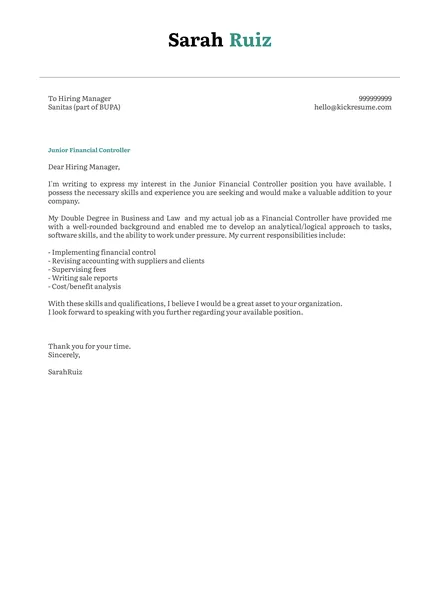
A cover letter is a crucial document that accompanies your resume when applying for a job. It serves as an introduction, a personal pitch, and an opportunity to demonstrate your interest in the specific position and company. Unlike a resume, which provides a factual summary of your skills and experience, a cover letter allows you to showcase your personality, writing ability, and how your qualifications align with the job requirements. It’s your chance to make a strong first impression and persuade the hiring manager to read your resume.
Why is a Cover Letter Important
While a strong resume is vital, a well-crafted cover letter can significantly increase your chances of getting an interview. It demonstrates your communication skills, attention to detail, and genuine interest in the role. A cover letter allows you to elaborate on specific experiences, explain gaps in your employment history, and highlight how your skills and experiences match the job requirements. Moreover, it provides an opportunity to show your enthusiasm for the company and the position, making you stand out from other applicants who may only submit a resume.
Cover Letter Structure
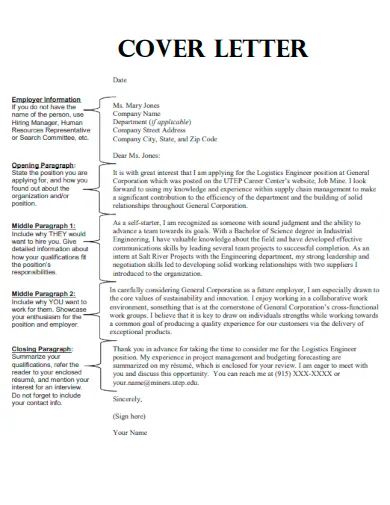
A well-structured cover letter is easy to read and understand. This structure ensures that all the important information is conveyed in a concise and professional manner. The structure includes several key elements, each serving a specific purpose in the overall narrative. By following a logical and organized layout, you present your qualifications and enthusiasm in a way that captures the reader’s attention and makes a positive impression.
Header Information
The header of your cover letter should include your contact information. This typically includes your name, address, phone number, and email address. It’s important that this information is up-to-date and easy to find. This allows the hiring manager or recruiter to quickly contact you if they want to learn more about your application. Accuracy is key; double-check all information to avoid any errors that might hinder communication. Ensure your header information is consistent with what is on your resume.
Contact Information
Following your header, you should include the date the cover letter is written. Ensure you use a formal date format. This can be written directly below your header. Proper date formatting shows attention to detail and a professional demeanor, essential qualities for any candidate. This is a small but important detail that helps the reader place your application in context.
Date

The date should be aligned to the left or right and directly below your contact information. Ensure that the date format is consistent throughout your letter. Using a professional and standard format like month, day, and year is recommended. This detail provides a clear timestamp, assisting the employer in managing applications and internal communication. It’s a small touch but adds to your overall professional presentation.
Recipient Information
Include the hiring manager’s name and title, if known, along with the company name and address. Addressing your cover letter to a specific person personalizes your application and shows that you’ve done your research. If you can’t find a specific name, try to find the name of the hiring manager on LinkedIn or the company website. Avoid generic greetings; personalization is crucial. If a specific name is unavailable, use a professional greeting, such as ‘Dear Hiring Manager’.
Greeting and Salutation
Start your cover letter with a professional greeting, such as “Dear Mr./Ms./Mx. [Last Name],” if you know the hiring manager’s name. Otherwise, use a general greeting like “Dear Hiring Manager.” Ensure the greeting aligns with the level of formality of the company. This sets a respectful and professional tone from the start. The greeting shows you have addressed the recipient appropriately, which is crucial for a positive first impression. Avoid overly casual greetings to maintain professionalism.
Body Paragraph 1: Introduction and Purpose

The first paragraph is crucial; it’s your opening statement. State the position you’re applying for and where you found the job posting. Briefly mention why you’re interested in the role and the company. Make it clear and concise, showing enthusiasm and connecting your skills to the job. Keep this section brief, aiming to capture the reader’s interest immediately. Express your excitement and highlight a key skill or experience that aligns with the job to draw the reader in.
Body Paragraph 2: Highlighting Skills and Experience
This is where you highlight your relevant skills and experiences. Provide specific examples of how your past achievements align with the job requirements. Quantify your accomplishments whenever possible, using numbers and data to showcase your impact. Tailor this section to match the job description; mention the keywords used in the job posting, and show how your background fits the needs of the company. Use strong action verbs to describe your accomplishments, keeping the focus on what you achieved and learned.
Body Paragraph 3: Demonstrating Enthusiasm
Express your enthusiasm for the company and the specific role in this paragraph. Research the company and mention something specific that attracts you to their mission, values, or recent projects. Demonstrate that you understand the company’s goals and how your skills can contribute to their success. Show you’re not just applying for any job but are genuinely interested in this particular opportunity. Connect your career aspirations with the company’s vision to make a strong impression.
Body Paragraph 4: Call to Action

Conclude with a clear call to action. Reiterate your interest in the position and request an interview. Thank the hiring manager for their time and consideration. Provide your contact information once more, making it easy for them to reach out. Express your eagerness to discuss your qualifications further. Keep the tone positive and proactive, leaving a lasting impression of your professionalism and enthusiasm. End with a confident statement about your suitability for the role.
Closing and Signature
Use a professional closing, such as “Sincerely,” “Regards,” or “Best regards.” Leave space for your handwritten signature, if printing and mailing the cover letter, or simply type your name below the closing. Ensure your signature is legible if you’re printing the letter. This is the final touch of formality, reinforcing your professionalism. The closing sets a respectful tone, and the signature confirms the authenticity of your application.
Cover Letter Formatting
Formatting plays a crucial role in making your cover letter easy to read and visually appealing. Proper formatting includes font choice, size, margins, and spacing. A well-formatted cover letter looks polished and shows attention to detail, reflecting positively on your professional image. The visual layout helps the reader focus on the content, making your key points stand out. Proper formatting is essential for creating a positive first impression.
Font Choice

Choose a professional and readable font, such as Times New Roman, Arial, or Calibri. Stick to a font size between 10 and 12 points to ensure readability. Avoid using fancy or overly stylized fonts. Maintain consistency throughout the document. A standard font choice ensures that your cover letter is easy on the eyes. A clean, readable font helps the hiring manager focus on your qualifications and not the font itself. Make your document accessible and professional.
Font Size
Use a font size between 10 and 12 points. This size is comfortable to read on a screen and easy to print. Ensure that the font size is consistent throughout the entire document. Avoid using a font size that is too small or too large, as this can be distracting. This size will ensure your letter looks professional and is easy to review. The proper font size ensures your cover letter is accessible and easy to read.
Margins and Spacing
Set margins at one inch on all sides. Use single-spacing for the body of the letter and double-spacing between paragraphs. Ensure that your text is left-aligned, creating a clean and organized look. Proper spacing makes your cover letter easy to read and avoids a cluttered appearance. These formatting choices make the letter visually appealing and support readability. Proper margins and spacing improve the overall presentation.
Proofreading and Editing

Proofread your cover letter carefully for any errors in grammar, spelling, and punctuation. Use a grammar checker, and have a friend or family member review it as well. Ensure that your cover letter flows smoothly and is easy to understand. Proofreading shows attention to detail and professionalism, making a strong impression on the hiring manager. A polished cover letter reflects your commitment to quality and attention to detail. It’s a key part of your application.
Cover Letter Tips and Best Practices
Following best practices ensures your cover letter is effective and compelling. These practices include tailoring your letter to each job, using keywords, and employing strong action verbs. Tailoring your letter to the specific job shows your genuine interest and effort. Using keywords aligns your skills with the job requirements, improving your chances. Effective writing makes a strong impression and increases your chances of success.
Tailoring Your Cover Letter
Customize your cover letter for each job you apply for. Review the job description carefully and highlight the skills and experiences that match the requirements. Avoid using a generic cover letter. Demonstrate a genuine interest in the specific role and the company. Tailoring your cover letter shows that you’ve invested time and effort into the application. Addressing the specific needs of the job increases the effectiveness of your application.
Keywords and Applicant Tracking Systems (ATS)
Incorporate relevant keywords from the job description into your cover letter. Many companies use Applicant Tracking Systems (ATS) to scan applications, and keywords increase your chances of getting noticed. Read the job posting carefully and identify the most important terms. Naturally integrate these keywords throughout your cover letter. Keyword optimization makes your application ATS-friendly, increasing visibility. Strategically including keywords helps your application get past automated systems.
Using Action Verbs
Use strong action verbs to describe your accomplishments and skills. Action verbs make your cover letter more dynamic and engaging. Begin sentences with verbs like “managed,” “developed,” “implemented,” or “achieved.” These verbs highlight your abilities and accomplishments. Action verbs show that you’re a proactive and results-oriented candidate. Use compelling language to showcase your skills.
Proofreading Checklist
Before submitting your cover letter, use a proofreading checklist. Check for spelling and grammatical errors. Verify the accuracy of your contact information and the recipient’s details. Ensure that your formatting is consistent and professional. Have another person review your cover letter for a fresh perspective. A proofreading checklist guarantees a polished, error-free document. Attention to detail showcases your professionalism. A thorough check increases the impact of your application.