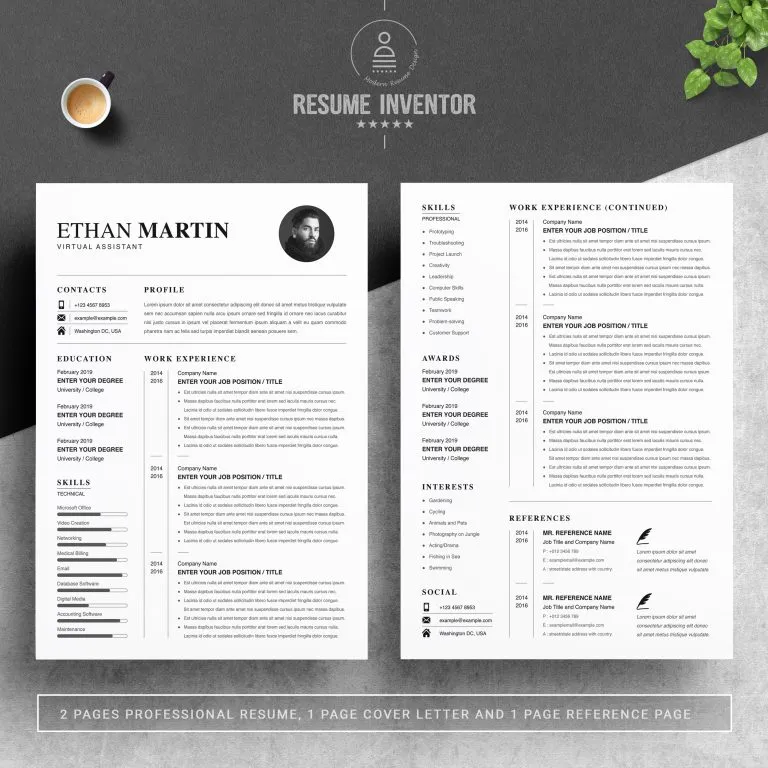
What is a Cover Letter and Why Do You Need One
A cover letter is a crucial document that accompanies your resume when applying for a job. It serves as your personal introduction to the hiring manager, providing a concise overview of your skills, experience, and why you’re the perfect fit for the role. While your resume provides a factual account of your qualifications, the cover letter offers an opportunity to showcase your personality, enthusiasm, and communication skills. In today’s competitive job market, a well-crafted cover letter can significantly increase your chances of landing an interview, making it an essential tool in your job search arsenal. The cover letter allows you to elaborate on specific experiences or skills that directly align with the job description, setting you apart from other applicants who may only submit a resume.
The Purpose of a Cover Letter
The primary purpose of a cover letter is to introduce yourself and express your interest in a specific job and company. It allows you to make a strong first impression and highlight the most relevant aspects of your background. A cover letter demonstrates your writing skills, attention to detail, and ability to communicate effectively. It also provides an opportunity to explain any gaps in your employment history or address any concerns the hiring manager might have. By showcasing your personality and enthusiasm, a cover letter can help you create a memorable impression, making it more likely that your application will be noticed. The cover letter is not just a formality; it’s a strategic tool to persuade the hiring manager that you are a strong candidate.
Difference between a Resume and a Cover Letter

A resume is a summary of your skills, experience, and education, presented in a factual and concise format. It’s designed to provide a quick overview of your qualifications, highlighting key achievements and responsibilities. A cover letter, on the other hand, is a more personalized document where you can elaborate on your qualifications, explain your interest in the role and company, and demonstrate your communication skills. While the resume focuses on ‘what’ you’ve done, the cover letter focuses on ‘why’ you’re a good fit and ‘how’ you can contribute to the company’s success. The resume is often a static document, while the cover letter is tailored to each specific job application, showcasing your genuine interest and providing context to your qualifications. Together, they present a complete picture of you as a candidate, with the resume providing the details and the cover letter offering the narrative.
Key Components of a Winning Cover Letter
Your Contact Information and Date
At the top of your cover letter, include your contact information, such as your name, phone number, email address, and LinkedIn profile URL. This makes it easy for the hiring manager to reach you. Directly below your contact information, include the date you are sending the cover letter. Ensure that the contact information is clear, accurate, and professional. Verify that your email address is professional-sounding (e.g., firstname.lastname@email.com) and that your voicemail greeting is also professional. This section provides the essential details for the hiring manager to contact you and sets a professional tone from the start.
Addressing the Hiring Manager

Whenever possible, address your cover letter to a specific person. Research the hiring manager’s name and title, and use a formal salutation like ‘Dear Mr./Ms. Last Name.’ Addressing the letter to a specific person shows that you’ve taken the time to research the company and demonstrates your attention to detail. If you can’t find the hiring manager’s name, use a general salutation like ‘Dear Hiring Manager’ or ‘Dear [Department Name] Team’. Avoid generic greetings like ‘To Whom It May Concern,’ which can make your letter feel impersonal. This small detail shows that you are proactive and have a genuine interest in the opportunity.
The Opening Paragraph Capture Their Interest
The opening paragraph should immediately grab the reader’s attention and clearly state the purpose of your letter. Mention the specific job you are applying for and where you saw the job posting. Briefly highlight your key skills or experience that align with the job requirements. Start with a strong, concise statement that reflects your enthusiasm for the role or the company. Your opening paragraph should act as a hook, making the hiring manager want to read the rest of your letter. Show them that you understand the company’s needs and explain how your skills and experience align with those needs to capture their interest right away.
Highlighting Your Skills and Experience
In the body of your cover letter, provide specific examples of your skills and experience that demonstrate your qualifications for the job. Use the job description as a guide to identify the key skills and requirements the employer is seeking. Use the STAR method (Situation, Task, Action, Result) to describe your accomplishments, providing context and quantifiable results whenever possible. Focus on your most relevant achievements and how you have made a positive impact in previous roles. This is your chance to connect your experience to the requirements of the job, illustrating how you have successfully performed tasks and achieved positive outcomes.
Demonstrate Your Value to the Company

Go beyond listing your skills and experience by explaining how you can contribute to the company’s success. Research the company and understand its mission, values, and goals. Explain how your skills and experience align with these, and how you can help the company achieve its objectives. Show that you understand the company’s industry, its challenges, and its opportunities. Demonstrate how you can solve problems, improve processes, or contribute to the company’s overall performance. By demonstrating how you can add value, you show the hiring manager why you are a great fit for the role and the company.
Expressing Your Enthusiasm and Interest
Express your genuine enthusiasm for the role and the company. Explain why you are excited about the opportunity and what attracts you to the company’s mission or culture. Demonstrate that you have researched the company and understand its values. Let your personality shine through, and be authentic in your expression of interest. This section is your opportunity to stand out from other candidates by conveying your passion for the work. Show that you are not just looking for a job but are genuinely interested in making a meaningful contribution. This enthusiasm can make a lasting impression and make you a more memorable candidate.
Call to Action and Closing
In your closing paragraph, reiterate your interest in the position and include a clear call to action. Thank the hiring manager for their time and consideration. State that you are eager to discuss your qualifications further and are available for an interview. Provide your contact information again and express your anticipation of hearing from them soon. Keep the tone professional and enthusiastic, and express confidence in your ability to meet the requirements of the role. A strong call to action and closing will leave a positive and lasting impression, increasing your chances of moving forward in the hiring process. Ensure you have your contact information to make it easy for the hiring manager to reach out to you.
Formatting Your Cover Letter for Readability

Choosing the Right Font and Font Size
Choose a professional and easy-to-read font, such as Times New Roman, Arial, Calibri, or Helvetica. Use a font size between 10 and 12 points. Avoid overly decorative or unusual fonts, which can be difficult to read. Ensure your font is consistent throughout the document. Choose a font that is clear and professional to ensure that the hiring manager can easily read your cover letter. A well-formatted cover letter demonstrates your attention to detail and professionalism, and it makes your letter more accessible and enjoyable to read. Ensure consistency in font size throughout your cover letter.
Using White Space Effectively
Use white space to break up your text and make your cover letter visually appealing. Use single spacing within paragraphs and double spacing between paragraphs. Use clear margins (typically 1 inch on all sides) and avoid cramming too much text onto a single page. Well-placed white space can improve readability and make your cover letter more inviting to read. This will give the hiring manager a better experience. Ensure that your cover letter is easy on the eyes, and that the reader can easily grasp the information you are trying to convey. Avoid large blocks of text, which can be intimidating and difficult to read.
Maintaining a Professional Tone

Use a formal and professional tone throughout your cover letter. Avoid slang, contractions, and casual language. Use proper grammar, punctuation, and spelling. Proofread your cover letter carefully to eliminate any errors. Maintain a consistent tone throughout the document. A professional tone conveys your seriousness and commitment to the job. It demonstrates your respect for the hiring manager and the company. Ensure that your language reflects your professionalism and attention to detail. This includes avoiding emojis and other informal elements to maintain a professional and polished appearance.
Cover Letter Templates and Examples
Where to Find Cover Letter Templates
Numerous online resources offer free cover letter templates. Websites like Microsoft, Google Docs, and various job search platforms provide a wide range of templates that you can customize to fit your needs. Look for templates that match the type of job you’re applying for and your personal style. Using a template can save you time and ensure that your cover letter includes all the necessary components. Experiment with different templates to find one that best presents your skills and experience. When selecting a template, consider the layout, font, and overall design, and make sure it aligns with your personal brand.
Examples of Effective Cover Letters

Reviewing examples of effective cover letters can provide valuable insights into how to structure and write your own. Search online for cover letter examples in your field or industry. Pay attention to the language, tone, and formatting used in these examples. Analyze how successful candidates highlight their skills and experience. This will give you ideas and a better idea on how to format a professional cover letter. Remember to tailor any template or example to your specific qualifications and the job you are applying for, making it unique to you. Adapt the language and content to align with your personal experiences and achievements.
Tips for Tailoring Your Cover Letter
Researching the Company
Before you start writing your cover letter, research the company and the specific job you are applying for. Visit the company’s website, read their mission statement, and learn about their products or services. Review the job description carefully to understand the required skills, qualifications, and responsibilities. This research will help you tailor your cover letter to the company’s needs and demonstrate your genuine interest. Understanding the company’s culture and values will also help you determine whether you are a good fit, which will strengthen the impact of your cover letter. Incorporate keywords from the job description to show that you understand the role and requirements.
Customizing Your Cover Letter for Each Job

Avoid using a generic cover letter for all job applications. Tailor your cover letter to each specific job by highlighting the skills and experiences that are most relevant to the role. Use the job description as a guide to identify the key requirements and tailor your letter accordingly. This will demonstrate your attention to detail and your genuine interest in the specific opportunity. Customizing your cover letter shows that you have taken the time to understand the role and are prepared to meet the needs of the employer. Make sure that you use keywords from the job description to ensure that you pass the initial screening processes.
Proofreading and Editing Your Cover Letter
Common Mistakes to Avoid
Avoid common mistakes such as typos, grammatical errors, and using generic language. Make sure to avoid overselling yourself or making unrealistic claims. Avoid including information that is irrelevant to the job or the company. Ensure that your cover letter is concise, focused, and free of errors. Proofread carefully to catch any errors before submitting your application. Ensure that you are using appropriate language for the particular type of job that you are applying to. Avoid using cliches or overly familiar phrases. Present yourself in the best possible light by paying attention to detail and ensuring your cover letter is polished and professional.
Proofreading Checklist
Use a proofreading checklist to ensure that your cover letter is error-free. Check for grammar, spelling, punctuation, and formatting errors. Verify that your contact information is accurate. Ensure that your cover letter is tailored to the specific job and company. Have someone else proofread your cover letter to catch any errors you may have missed. Proofreading is an essential step in creating a professional and effective cover letter. Proofreading can help avoid any unnecessary misunderstandings. Use a proofreading tool, such as Grammarly, to identify and correct errors. Take your time when proofreading to make sure that your cover letter is perfect.