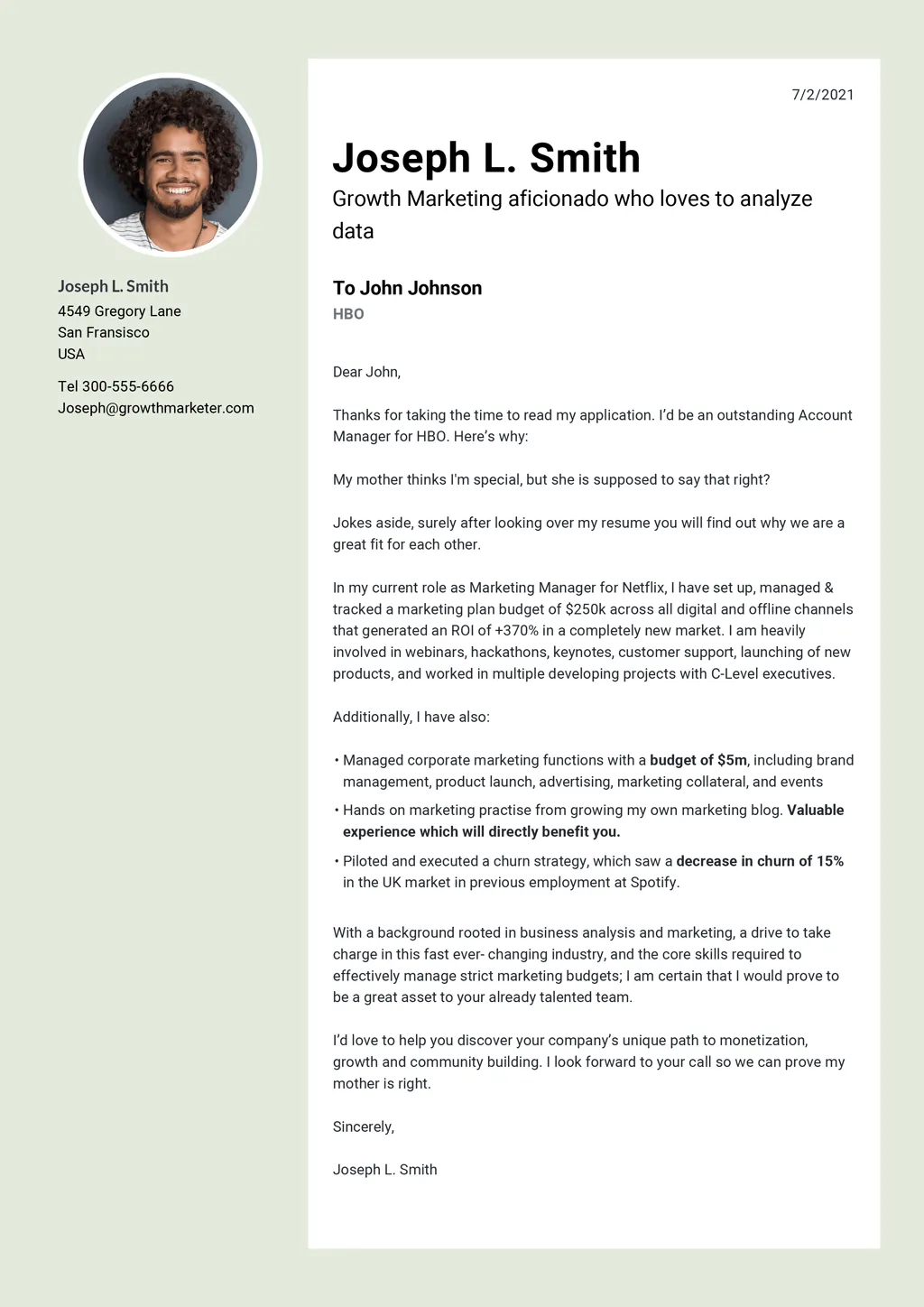
What is a Cover Letter Designer Sample
A cover letter designer sample is a carefully crafted document created by a design professional or aspiring designer to showcase their skills, experience, and personality to a potential employer. It serves as an introduction to the designer’s resume and portfolio, providing context and highlighting relevant qualifications for a specific job. A well-written cover letter designer sample goes beyond simply listing accomplishments it tells a story, demonstrating how the designer’s unique abilities align with the needs of the company and the requirements of the role. The best samples are tailored to the specific job and company, showing that the designer has taken the time to understand the role and the organization’s values.
Why a Cover Letter Designer Sample Matters
In the competitive world of design, a cover letter designer sample is often the first impression a designer makes on a hiring manager. It is an opportunity to stand out from the crowd and demonstrate a genuine interest in the position. Unlike a resume, which is a factual account of your experience, a cover letter allows you to express your personality, passion for design, and your understanding of the company’s brand. It provides a space to explain career gaps, address specific requirements, or highlight skills that may not be immediately apparent in your resume. By showing initiative and crafting a personalized message, a cover letter designer sample significantly increases your chances of landing an interview and ultimately securing the job. This is especially true in design roles where communication and presentation are critical skills.
Key Components of a Standout Cover Letter Designer Sample

A standout cover letter designer sample includes several key components that work together to create a compelling and effective document. These components ensure that you present yourself in the best possible light, highlighting the skills and experience that make you a great fit for the role. Structuring your letter with these components in mind not only makes it easy for a hiring manager to read but also allows you to control the narrative and create a memorable introduction. By focusing on these elements, you demonstrate professionalism, attention to detail, and a clear understanding of what employers are looking for in a design candidate.
Header and Contact Information
The header of your cover letter designer sample should include your full name, professional title (if applicable), contact information (phone number, email address, and LinkedIn profile URL). Make sure this information is easy to find and read. You should also include the date and the name and address of the hiring manager or the company, if known. A well-organized header sets the tone for the rest of the document and provides the necessary contact details for the hiring manager to reach you. This component ensures that your letter looks professional and easy to navigate, setting a positive first impression. The header is a fundamental element, providing immediate access to your essential details.
Professional Greeting
Address the hiring manager directly if possible. Use “Dear Mr./Ms./Mx. [Last Name]” to show you’ve done your research. If you don’t know the hiring manager’s name, use a professional greeting such as “Dear Hiring Manager” or “Dear [Company Name] Team”. Avoid generic greetings like “To Whom It May Concern” as these can make your letter seem impersonal. A personalized greeting shows initiative and attention to detail. Make sure to spell the name correctly. Addressing the hiring manager directly immediately grabs their attention and creates a more personal connection, making your cover letter more memorable.
Opening Paragraph Grabbing Attention

The opening paragraph is your chance to grab the reader’s attention. State the position you’re applying for and how you found it. Then, include a brief statement about why you are interested in the role and the company. This paragraph should be concise, compelling, and designed to make the hiring manager want to read on. Use this space to highlight a key skill or achievement that directly aligns with the job description. Your opening paragraph is critical in setting the stage for the rest of your cover letter designer sample. It must be engaging to hook the hiring manager’s attention from the very beginning, encouraging them to read further and learn more about your qualifications.
Body Paragraphs Showcasing Skills
The body paragraphs should showcase your relevant design skills and experience. Focus on how your skills align with the job requirements and provide specific examples to back up your claims. Use the STAR method (Situation, Task, Action, Result) to describe your accomplishments. Tailor your examples to the specific role you’re applying for. Use action verbs and quantifiable results. Be sure to highlight your key design skills such as your proficiency with design software and your understanding of design principles. These paragraphs are where you demonstrate your capabilities and convince the hiring manager that you are the right fit for the role. This is your chance to make a powerful impression and demonstrate your potential value to the company.
Highlighting Design Skills & Experience
Clearly and concisely highlight your design skills and experience relevant to the job. Mention specific design software you are proficient in, such as Adobe Creative Suite, Sketch, or Figma. Describe your experience with different design disciplines, such as graphic design, web design, UI/UX design, or branding. Provide specific examples of projects you have worked on and the results you achieved. Quantify your achievements whenever possible, for instance, by mentioning the percentage increase in user engagement or conversion rates. Showcase a portfolio that aligns with the specific job description, ensuring that your portfolio is easy to navigate and highlights your best work. Highlighting skills and experience relevant to the job is about demonstrating that you have the capabilities required to thrive in the position and contribute to the success of the company.
Quantifying Achievements & Impact

Wherever possible, quantify your achievements with numbers, data, and metrics. Instead of saying “Improved website design,” state “Increased website conversion rates by 15% through redesign.” Providing specific results demonstrates the value you bring to a company and helps hiring managers understand the impact of your work. Use metrics to show how your designs have helped previous employers. Quantifying your achievements is a persuasive way to demonstrate your value to a potential employer. This approach adds credibility to your claims, making your cover letter designer sample more impactful and memorable.
Tailoring Your Letter to the Job
Tailoring your cover letter designer sample to the specific job and company is essential. Review the job description carefully and identify the key skills, qualifications, and experience the employer is seeking. Then, tailor your cover letter to align with these requirements. Customize your letter to reflect your genuine interest in the company. Mention specific projects or initiatives that resonate with you and demonstrate that you have researched the company’s work and values. Showing that you have taken the time to understand the role and the organization’s needs significantly increases the chances of securing an interview. This demonstrates initiative and a genuine interest in the position.
Call to Action and Closing
Conclude your cover letter with a strong call to action, such as “I am eager to discuss how my skills and experience can benefit your team.” Thank the hiring manager for their time and consideration. Reiterate your interest in the position. Close with a professional closing, such as “Sincerely” or “Best regards,” followed by your name. Include your contact information. A clear call to action encourages the hiring manager to take the next step. A strong closing reinforces your interest in the role and leaves a positive final impression. A professional closing enhances your credibility and reinforces your professionalism.
Proofreading and Formatting

Proofread your cover letter designer sample carefully for any grammatical errors, typos, or formatting inconsistencies. Poor grammar and formatting can damage your credibility. Use a clear and easy-to-read font, such as Arial or Times New Roman. Ensure consistent formatting throughout the document, including font size, spacing, and alignment. Use a professional-looking template or create your own. Have a friend or colleague proofread your cover letter for you, as a fresh set of eyes can often catch errors you might miss. Proofreading and formatting is essential for showing attention to detail, which is crucial in design. By presenting a polished and well-formatted document, you demonstrate professionalism and respect for the hiring manager’s time.
Cover Letter Designer Sample Examples & Templates
Leveraging examples and templates can greatly simplify the process of crafting an effective cover letter designer sample. These resources provide a solid foundation and can inspire you to structure your letter in a clear and compelling manner. By reviewing successful examples and using well-designed templates, you can save time and ensure your cover letter hits all the essential points, increasing your chances of making a strong impression on potential employers. Properly using and adapting these resources is critical to making your cover letter unique to your skill set.
Examples to Follow
Look for cover letter examples from successful designers in your field. Search online for cover letters that have been used to secure jobs at companies you admire. Pay attention to the structure, language, and tone used in these examples. Adapt the examples to match your own experience, skills, and the specific job you’re applying for. Analyze how the successful examples highlight the designer’s achievements, quantify their results, and tailor the content to align with the job requirements. Ensure that you never plagiarize from any of the examples. Using example to guide your writing is a great strategy, but you should always make your cover letter your own.
Templates to Use

Use cover letter templates to save time and ensure your letter has a professional structure. Search online for templates that are specifically designed for designers. Choose a template that suits your style and the type of job you’re applying for. Customize the template by adding your own details, skills, and achievements. Make sure the template allows you to showcase your design skills in a visually appealing way. Ensure your chosen template is adaptable and allows you to fully express your qualifications. This will increase your chances of writing a cover letter that catches the hiring manager’s attention.
Cover Letter Design Tips
Beyond the basic structure, consider these design tips to elevate your cover letter designer sample. These tips can add visual appeal and demonstrate your design skills. Keep in mind that the design of your cover letter reflects your creativity and design sensibilities. A well-designed cover letter can show your attention to detail and your ability to present information in a compelling way. Following these guidelines will enable you to craft a cover letter that stands out and further showcases your design skills, in addition to your experience.
Layout and Formatting
Use a clean and organized layout. Choose a standard font that is easy to read, like Arial or Helvetica. Use appropriate spacing and margins to make the document visually appealing. Use bullet points or numbered lists to present information in an easily digestible format. Use concise sentences and paragraphs to keep the reader engaged. Ensure your cover letter is formatted in a way that is easy to scan and read. Consider a two-column layout for a unique and modern design. A well-formatted cover letter is crucial for readability and professionalism. Good layout and formatting immediately show that you are detail-oriented.
Fonts and Typography
Select a font that reflects your personal brand and design style. Consider using a font that is used in your portfolio or website. Limit yourself to a maximum of two or three fonts. Use font variations (bold, italic, etc.) sparingly to emphasize key information. Ensure that the font is readable and appropriate for the context. Choosing a font that aligns with your personal brand is another great way to set your cover letter apart from the competition. Make sure the fonts you choose are legible and help convey your personality.
Visual Appeal & Branding
Incorporate your personal brand into your cover letter. Use colors that reflect your brand identity. Include a subtle design element or graphic that represents your style. Ensure that your cover letter design is consistent with the style of your portfolio and resume. Avoid any design elements that distract from the content of your letter. Maintaining brand consistency across your application materials creates a cohesive and professional image, increasing your credibility. Ensure that the visual elements align with your brand style guide. The design of your cover letter should enhance your message and showcase your creative skills.