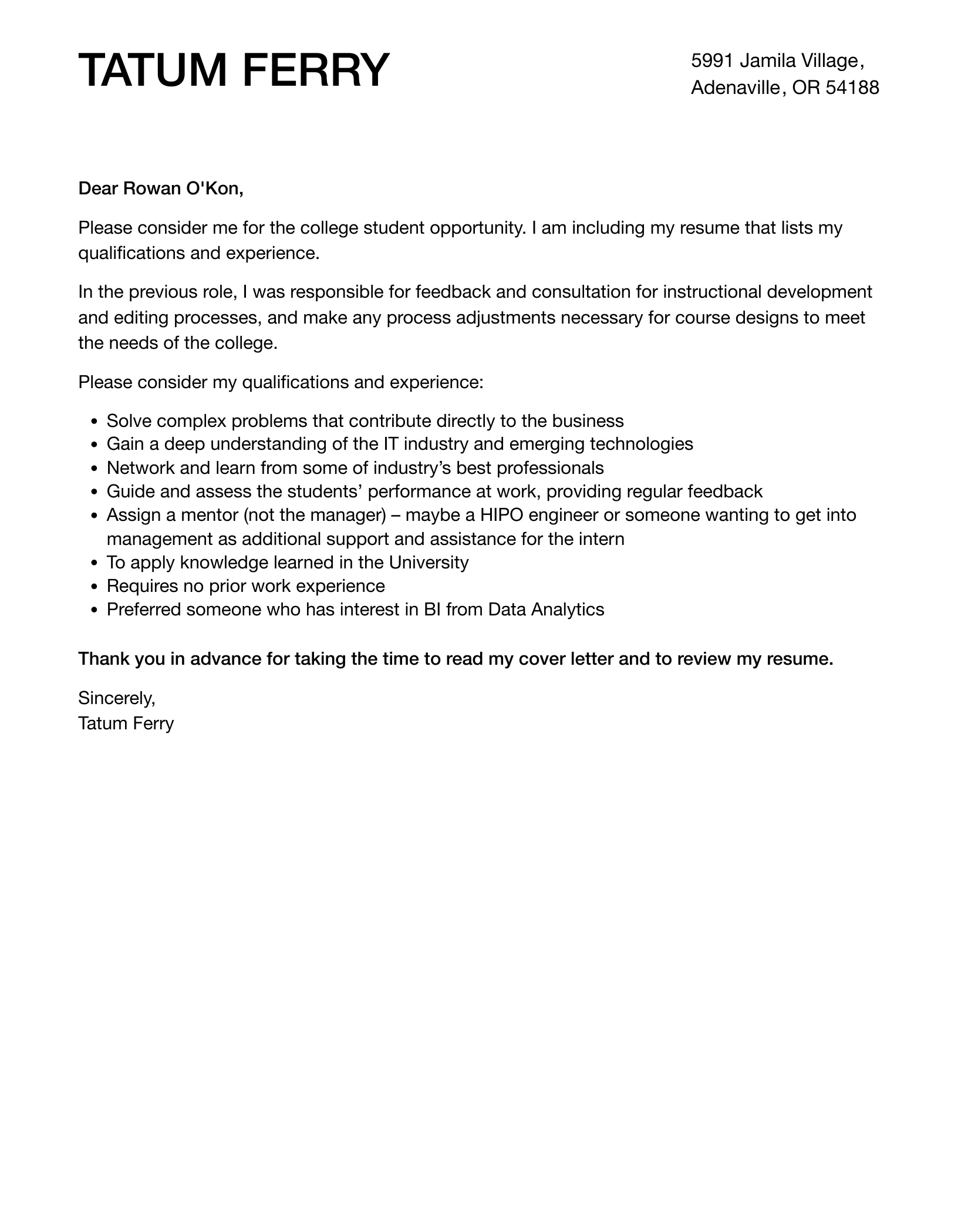
Why Cover Letters Matter in Higher Education
In the competitive landscape of higher education, a compelling cover letter can be your most powerful asset. Unlike a resume, which provides a snapshot of your experience, a cover letter offers the opportunity to tell your story, to demonstrate your passion, and to directly address the specific needs and priorities of the hiring committee. It’s your chance to go beyond the bullet points and articulate why you are the ideal candidate. Many higher education institutions value individuals who can communicate effectively and demonstrate a clear understanding of the institution’s mission and values. A well-crafted cover letter allows you to showcase these qualities, making it an essential component of any application in the academic world. Failing to submit a cover letter or submitting a poorly written one is a missed opportunity to differentiate yourself.
Showcasing Your Skills
Your cover letter should highlight the skills most relevant to the specific role you’re applying for. Review the job description carefully and identify the key skills the institution is seeking. These may include teaching ability, research expertise, administrative skills, or specific technical proficiencies. Use your cover letter to provide concrete examples of how you’ve successfully applied these skills in the past. For instance, if the job description emphasizes teaching, you could describe a time you developed an innovative lesson plan or successfully managed a diverse classroom. Providing quantifiable evidence of your skills, such as student evaluations or research impact metrics, can significantly strengthen your application and demonstrate your capabilities.
Highlighting Relevant Experience

Higher education roles often require a combination of experience, making it crucial to highlight those experiences that align with the job requirements. Whether you’re a professor, an academic advisor, or an administrator, your cover letter should detail your relevant work history. This includes previous positions, projects, and any significant contributions you’ve made. Don’t just list your responsibilities; describe your accomplishments and the impact you had. For example, when applying for a professorship, you should discuss your research publications, grant acquisition, and any successful mentorship experiences. For academic advising roles, highlight your experience in student support, program development, and your ability to guide students towards success. Showing how your past experiences relate directly to the needs of the position is key to getting noticed.
Quantifying Your Achievements
One of the most effective ways to make your cover letter stand out is by quantifying your achievements. Instead of simply stating that you “improved student outcomes,” provide specific metrics. For instance, mention the percentage increase in student success rates under your guidance, the number of publications you have authored, or the amount of grant funding you secured. These quantifiable results demonstrate the tangible impact you’ve had in your previous roles and provide concrete evidence of your abilities. Whenever possible, use numbers and data to support your claims. This approach not only demonstrates your accomplishments but also adds credibility to your application. Quantifiable achievements make it easier for the hiring committee to evaluate your performance and understand the value you could bring to their institution.
Tailoring Your Cover Letter
Generic cover letters are easily spotted and often discarded. To create a truly effective cover letter, you must tailor it to the specific institution and position you are applying for. Research the institution’s mission, values, and recent initiatives. Show that you understand their priorities and how your skills and experience align with their needs. Customize your letter by mentioning specific faculty members, departments, or programs you are interested in collaborating with. Address the key requirements outlined in the job description directly, and use the language and keywords used in the posting. This shows that you’ve invested time in understanding the role and the institution, increasing your chances of making a positive impression and demonstrating you understand the needs of the role.
Cover Letter Examples for Specific Higher Education Roles

Professor Cover Letter Example
When applying for a professorship, emphasize your research accomplishments, teaching philosophy, and any experience mentoring students. Highlight your publications, presentations, and grant funding. Describe your teaching methods and provide examples of how you engage students in the classroom. Mention your involvement in university service, such as committee work or curriculum development. Tailor your letter to the specific department and its research interests. Here’s a summary of what should be included in a professor’s cover letter: research experience and achievements, teaching philosophy, experience with mentorship, and committee work.
Academic Advisor Cover Letter Example
For academic advisor positions, focus on your experience in student support, counseling, and program management. Detail your ability to guide students through academic challenges and career planning. Highlight your knowledge of university policies and resources, your communication skills, and your experience with student information systems. Show your commitment to student success and your understanding of the role. Include experience with student support, counseling skills, communication skills, and knowledge of university policies. Make sure to highlight your skills.
Researcher Cover Letter Example

A researcher’s cover letter should emphasize your research experience, publications, and grant acquisition. Highlight your expertise in specific methodologies or areas of study. Mention your collaborative work experience and your ability to secure funding. Tailor your letter to the specific research focus of the institution or the department you are applying to. Show an understanding of their current research projects. Include experience with research projects, publication record, experience with grant acquisitions, and your ability to collaborate.
Administrator Cover Letter Example
Administrative positions in higher education require you to highlight your leadership, management, and organizational skills. Provide examples of your experience in budgeting, strategic planning, and team management. Demonstrate your understanding of higher education administration and your ability to work collaboratively with faculty, staff, and students. Mention your experience with policy development, project management, and communication skills. Tailor your letter to show how your experience aligns with the needs of the department. Here is what should be included in an administrator’s cover letter: leadership and management skills, budget management, and experience with policy development.
Key Elements of a Successful Higher Education Cover Letter
Formatting and Structure

Proper formatting is crucial for a professional cover letter. Use a standard font, such as Times New Roman or Arial, and maintain a consistent font size (typically 11 or 12 points). Keep the letter concise, ideally one page. Use clear headings and subheadings to organize your content and make it easy to read. Ensure your letter is well-spaced with adequate margins to improve readability. A well-formatted letter is the first step in making a professional impression. When writing your letter, make sure to use standard fonts and keep it concise. Make sure your letter is well spaced and organized to be easy to read.
Language and Tone
The language and tone of your cover letter should be professional and reflect your personality. Use clear, concise language and avoid jargon or overly complex sentences. Maintain a positive and enthusiastic tone while conveying your genuine interest in the position and the institution. Avoid using clichés or generic phrases. Tailor the language to the specific role and department, reflecting the values and culture of the institution. Be professional and demonstrate genuine enthusiasm.
Proofreading and Editing
Before submitting your cover letter, proofread it carefully for any grammatical errors, spelling mistakes, or typos. These errors can detract from your credibility and make a negative impression. It’s also helpful to have a colleague, mentor, or career counselor review your letter for feedback on content, clarity, and style. Pay attention to details and seek a second opinion to ensure your cover letter is polished and error-free. Proofread and edit your letter before submitting it.
Common Mistakes to Avoid

Failing to Tailor the Letter
Submitting a generic cover letter is one of the biggest mistakes you can make. Generic cover letters often fail to address the specific requirements of the job or showcase an understanding of the institution’s values and mission. Always customize your cover letter to match the specific role and institution, demonstrating your genuine interest and ensuring your application stands out. Tailor your letter to show you understand the role and institution.
Using Generic Language
Avoid using generic phrases and clichés that can make your cover letter sound impersonal and uninspired. Instead of using generic statements, such as “I am a team player,” provide specific examples that demonstrate your skills and abilities. Use strong action verbs and descriptive language to showcase your accomplishments and tailor your language to the institution.
Ignoring the Job Description

The job description is your roadmap. Ignoring it means missing crucial opportunities to align your skills and experiences with the specific needs of the position. Carefully analyze the job description and address each of the key requirements in your cover letter. This shows the hiring committee that you have thoroughly read the job posting and are capable of meeting their needs.
Conclusion
Crafting a strong cover letter is a critical step in the job application process for higher education roles. By understanding the key elements of a successful cover letter, tailoring your letter to each position, and avoiding common mistakes, you can significantly increase your chances of making a positive impression and securing an interview. Remember to showcase your skills, quantify your achievements, and demonstrate your enthusiasm for the opportunity. Good luck in your job search! Using these tips will help you succeed.