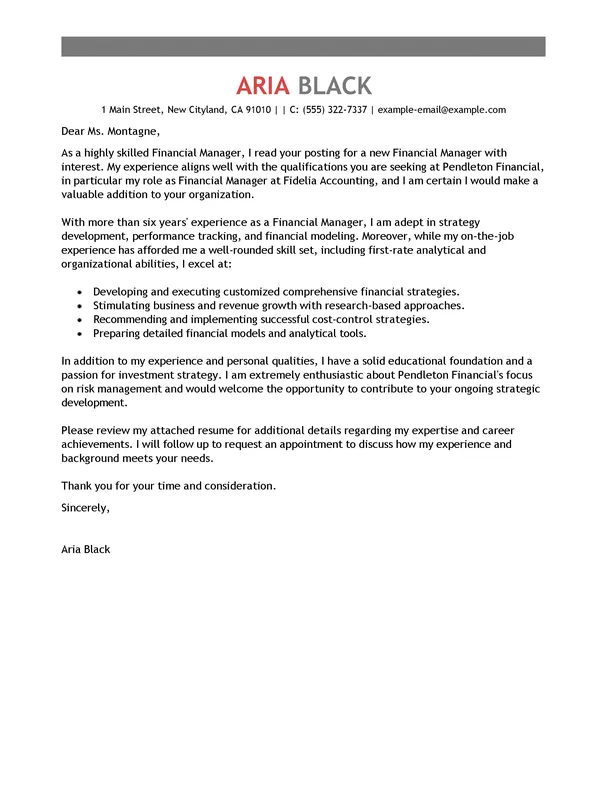
What Makes a Great Cover Letter
A great cover letter is more than just a formality; it’s your opportunity to make a strong first impression and distinguish yourself from other applicants. It should be a concise and compelling document that showcases your personality, skills, and enthusiasm for the position. A well-crafted cover letter complements your resume by providing context, telling your story, and explaining why you’re the perfect fit for the role. It’s your chance to persuade the hiring manager that you’re worth interviewing, so it’s essential to invest time and effort in creating a standout cover letter that grabs their attention. It should go beyond simply restating the information found in your resume. Instead, the cover letter is where you can explain your motivations, elaborate on your accomplishments, and demonstrate your understanding of the company and the role.
Key Elements to Include
A strong cover letter includes several key elements that work together to present a cohesive and compelling narrative. These elements include your contact information, a professional header, a compelling opening paragraph, a section to showcase your value, a section to highlight your relevant skills, a section to quantify your achievements, a demonstration of your enthusiasm for the role, and a clear call to action. Each of these components contributes to the overall effectiveness of your cover letter, making it an essential tool in your job application toolkit. A well-structured cover letter guides the reader through your qualifications, making it easy for the hiring manager to see why you are the ideal candidate. By thoughtfully incorporating these elements, you can significantly increase your chances of securing an interview.
Your Contact Information

Start your cover letter with your contact information at the top. Include your full name, phone number, email address, and, optionally, your LinkedIn profile URL. This makes it easy for the hiring manager to reach out to you. Ensure that the contact information is accurate and up-to-date. The layout should be clean and easy to read. Consider using a professional-looking font to enhance the overall appearance of your cover letter. Providing clear and accessible contact details is a fundamental aspect of a professional cover letter, making it simple for potential employers to connect with you. This seemingly small detail can significantly impact your chances of getting a call back. It should be formatted consistently with your resume and other application materials.
Professional Header
Below your contact information, include a professional header that includes the date and the hiring manager’s name and title, if known. Address the letter to a specific person whenever possible; this personal touch can make a positive impression. Research the company to find the hiring manager’s name and ensure you spell it correctly. Using a specific name demonstrates your attention to detail and your genuine interest in the position. If you can’t find the name of the hiring manager, you can use a generic greeting, such as “Dear Hiring Manager.” The header sets the tone for your letter and shows you’ve taken the time to tailor your application to the specific company and role.
Compelling Opening Paragraph
The opening paragraph should immediately grab the reader’s attention. Start by stating the position you’re applying for and how you found the job listing. Briefly mention why you are interested in the role and the company. Consider including a strong statement that highlights your most relevant skill or experience. This opening paragraph sets the tone for the rest of your letter and encourages the hiring manager to keep reading. The goal is to make a memorable first impression. Avoid generic openings; instead, personalize your introduction to showcase your understanding of the company’s needs and your ability to meet them. A compelling opening paragraph is crucial for capturing the hiring manager’s interest from the outset, ensuring they’re engaged and eager to learn more about you.
Showcase Your Value

In the main body of your cover letter, showcase your value by explaining how your skills and experiences align with the job requirements. Provide specific examples of your accomplishments and quantify them whenever possible. Describe how you’ve solved problems, achieved goals, or contributed to previous employers’ success. Tailor each example to the specific role you are applying for. Demonstrating your value involves highlighting how your unique abilities and experience contribute to the company’s objectives. Use the job description as a guide to identify the key skills and experiences the employer is looking for, and then provide compelling examples that showcase your expertise and value. This approach clearly communicates what you bring to the table.
Highlight Relevant Skills
Highlight the skills most relevant to the job. Review the job description and identify the key skills and requirements. Then, provide specific examples of how you have demonstrated these skills in your previous roles. For each skill, provide context, action, and results (the STAR method). This is where you can directly address the requirements listed in the job posting, demonstrating your qualifications and fit for the role. Clearly articulating your skills and providing concrete examples showcases your suitability for the position. By highlighting the skills the employer values most, you make it easy for them to see how you can contribute to their team. This ensures that the hiring manager can easily see your qualifications, making a compelling case for why you should be considered for an interview.
Quantify Your Achievements
Whenever possible, quantify your achievements with numbers, percentages, or specific results. For example, instead of saying, “Improved customer satisfaction,” say, “Increased customer satisfaction by 15%.” Quantifiable achievements provide concrete evidence of your impact and make your accomplishments more compelling. Using numbers adds credibility to your claims. This data provides tangible proof of your abilities and the value you bring to an organization. This approach significantly enhances the strength of your cover letter. This technique demonstrates your ability to deliver results and your understanding of the business objectives. It makes your achievements much more impactful and memorable for the hiring manager.
Express Enthusiasm for the Role

Express your enthusiasm for the role and the company. Explain what interests you about the position and why you want to work for this specific organization. Mention any research you’ve done about the company and how your values align with their mission. Demonstrate your genuine interest in the opportunity. Expressing enthusiasm demonstrates your genuine interest and motivates the hiring manager to envision you in the role. This enthusiasm shows that you are not just looking for any job, but one that you are genuinely passionate about. Be specific about what excites you, such as the company’s culture, projects, or the opportunity for professional growth. This can leave a lasting positive impression and increase your chances of getting an interview.
Call to Action
End your cover letter with a clear call to action. State that you are eager to discuss your qualifications further and reiterate your interest in the role. Thank the hiring manager for their time and consideration. Provide a clear and confident invitation for the hiring manager to take the next step. Request an interview and express your availability. The call to action encourages the hiring manager to take the next step. This could involve a follow-up call or scheduling an interview. Make it easy for them to contact you. The call to action provides a clear direction, making it easier for the hiring manager to proceed with your application. This is an essential step in the job application process.
Cover Letter Examples to Inspire You
Reviewing cover letter examples can give you a better understanding of how to format your own and the type of language to use. There are numerous examples available online for various roles and industries. Use these examples as a guide, but always customize your cover letter to fit your unique experience and the specific job requirements. Examples can provide valuable insights into different styles, tones, and formats, offering inspiration and guidance. Choose examples that are relevant to your career stage and the type of role you’re targeting. This ensures you’re getting the most relevant and effective advice. They are a helpful resource for learning how to write an outstanding cover letter that will help you get noticed.
Example 1 Recent Graduate Cover Letter

A recent graduate’s cover letter should focus on highlighting relevant coursework, internships, projects, and any volunteer experiences. The goal is to demonstrate skills and abilities, even without extensive professional experience. Focus on transferable skills like communication, problem-solving, and teamwork. This cover letter is tailored to showcase a recent graduate’s potential and enthusiasm. Frame experiences in a way that highlights the skills and qualifications that align with the job description. This can make your application stand out from the competition. This will allow you to provide compelling evidence of your abilities and potential value to the company, even without years of professional experience. This allows for a focus on demonstrating skills and capabilities in the absence of extensive professional experience.
Example 2 Cover Letter for Career Change
When changing careers, the cover letter becomes even more crucial. It’s your opportunity to explain the motivation behind the career shift and how your transferable skills can be applied to the new role. Emphasize the skills and experiences that are relevant to the new industry. Use the cover letter to bridge the gap between your past experience and the requirements of the new role. Tailor your application to demonstrate a strong understanding of the new industry and position. This should explain how the skills and knowledge gained from previous jobs can be applied to the new career path. This can successfully transition from one field to another.
Example 3 Cover Letter for a Specific Industry
Cover letters for specific industries require tailored language and examples. Research the industry standards and expectations. Use industry-specific keywords and demonstrate a strong understanding of the field’s challenges and opportunities. Tailor your letter to align with the unique requirements of the industry. Highlight relevant experience and showcase your passion for the field. Tailor your cover letter to align with the unique requirements of the industry and to demonstrate an understanding of the industry. This should include highlighting any specialized skills, knowledge, or experience needed to thrive in the field. This helps you create a more compelling case that stands out in the applicant pool.
Formatting and Design Tips

The formatting and design of your cover letter are important. Use a clean and professional font, such as Arial, Calibri, or Times New Roman. Use a readable font size (11 or 12 points). Maintain consistent margins and spacing to ensure your cover letter is easy to read. Proper formatting enhances readability and makes a positive first impression. Make sure the design reflects professionalism and attention to detail. Consistent formatting makes your letter look polished and professional. A well-formatted cover letter shows you care about presenting your best self. This helps to ensure that your cover letter looks professional and makes a positive impression. Good formatting makes your cover letter visually appealing.
Choose the Right Font and Size
Choosing the right font and size is a crucial aspect of cover letter design. Select a professional and easy-to-read font like Arial, Calibri, or Times New Roman. A good font choice reflects your attention to detail. Use a font size between 11 and 12 points for readability. Using a standard font and size ensures your cover letter is easy to read and professional. Choosing an appropriate font and size helps with readability, but it also sets a professional tone. A consistent font choice throughout your cover letter contributes to its overall aesthetic appeal. This helps to create a professional look and ensures that your cover letter is easy to read.
Keep It Concise and Easy to Read
Keep your cover letter concise and easy to read. Aim for one page in length. Use clear and concise language, and avoid jargon or overly complex sentences. Break up long paragraphs into shorter ones to improve readability. A well-structured and concise cover letter shows that you value the reader’s time. Using straightforward language ensures that the hiring manager can quickly understand your qualifications. This ensures that the information is easily accessible. A concise cover letter shows respect for the hiring manager’s time. Keep your content focused and to the point.
Proofread and Edit Carefully

Proofread your cover letter carefully for any errors in grammar, spelling, and punctuation. Errors can undermine your credibility. Read your cover letter aloud to catch any awkward phrasing or mistakes. Have someone else review your cover letter for a second opinion. This helps to ensure that your cover letter is free of errors. Proofreading and editing are essential steps in the job application process. A polished cover letter shows attention to detail and professionalism. Always proofread your cover letter carefully to avoid making any mistakes. This can negatively impact your chances of being considered for the job. It is important to present a polished and professional document.