Crafting a Fundraiser Cover Letter That Stands Out
In the competitive world of fundraising, a compelling cover letter can be your golden ticket. It’s often the first impression you make on potential donors, grant committees, or hiring managers. This document needs to be more than just a formality; it’s a carefully crafted narrative that showcases your passion, expertise, and ability to secure vital funding. A well-written cover letter immediately grabs attention and motivates the reader to learn more about you and your fundraising abilities. You must skillfully blend your personal and professional experiences with your genuine desire to make a difference. This introduction sets the stage for your fundraising journey, so treat it with care and attention to detail. The goal is to get the reader excited about the possibility of working with you or, in the case of grant applications, supporting your cause.
Understanding the Purpose of a Fundraiser Cover Letter
The primary goal of a fundraiser cover letter is to introduce yourself and demonstrate why you’re the right fit for a particular fundraising role or grant opportunity. It should encapsulate your understanding of the organization’s mission, your fundraising philosophy, and your proven ability to secure funding. This letter is a chance to distinguish yourself from other applicants by highlighting your unique qualifications and experiences. Whether you’re applying for a job or seeking to secure a grant, the cover letter serves as a roadmap, guiding the reader through your professional journey and aspirations. The best cover letters also express a clear understanding of the challenges the organization or cause faces and how your skills and strategies can provide effective solutions. This focus on providing solutions is crucial; it’s all about showing how you can contribute to their success.
Key Components to Include in Your Cover Letter

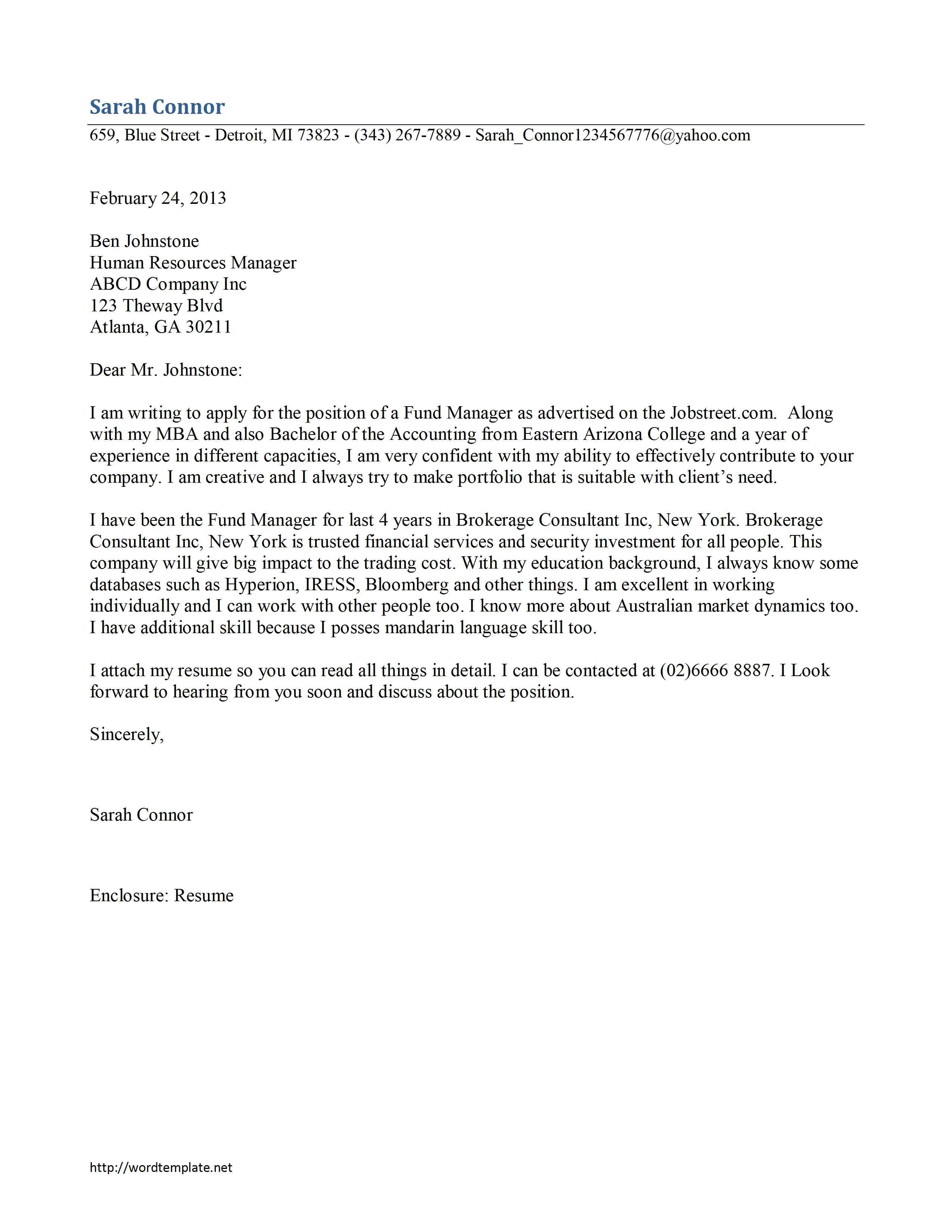
A winning fundraiser cover letter follows a structure that is easily read. You must present key information in a way that grabs the reader’s attention. Begin with a strong opening that expresses your enthusiasm for the opportunity, then build your case with a well-organized presentation of your skills and achievements. Avoid generic language, and instead, tailor your letter to the specific requirements of the role or the organization. Use examples, and quantify your achievements to demonstrate your proven ability to generate results. The format, the tone, the content, it all matters; this is your opportunity to demonstrate professionalism, commitment, and the potential to make a real difference.
Your Contact Information and the Date
Always begin with your contact information: your name, address, phone number, and email address. Place this information at the top, usually left-aligned. Following this, include the date. This helps the recipient know when the letter was written and is also part of a professional appearance. Make sure your contact information is current and accurate, as this is how the recipient will reach you. Double-check for any typos or missing information before sending.
The Recipient’s Details
Address the letter to the appropriate person; this shows attention to detail and demonstrates that you’ve done your research. If possible, find the name of the hiring manager, board president, or the specific person in charge of grant applications. If you cannot find a name, use a general title. Avoid generic greetings such as “To Whom It May Concern.” A specific greeting shows that you have taken the time to learn more about the organization and its needs.
A Compelling Salutation

Use a professional greeting, such as “Dear Mr./Ms./Dr. [Last Name],” or “Dear [Recipient Name],” is appropriate. If you don’t know the recipient’s name, using a general title such as “Dear Hiring Manager” or “Dear Grant Committee” is the next best option. Avoid overly casual greetings; the goal is to make a strong and professional first impression.
Highlighting Your Passion and Purpose
A successful fundraiser cover letter clearly articulates your passion for the cause and your purpose in seeking the opportunity. Start by expressing your genuine interest in the organization’s mission and values. Explain why their work resonates with you personally and how your values align with theirs. Share any personal experiences or connections that have fueled your desire to make a difference in their field. Use this section to demonstrate your commitment. Emphasize your understanding of the challenges the organization faces and how you are prepared to contribute to solutions. Showcase your desire to help the organization achieve its fundraising goals. This personal connection makes you more memorable and builds credibility.
Sharing Your Fundraising Goals
Clearly state your fundraising goals. This might involve securing a specific amount of funding, increasing donor engagement, or expanding the organization’s reach. Provide specific details about what you hope to achieve and how your skills and experience will help reach these goals. If you are applying for a grant, explain how the funds will be used to achieve the organization’s objectives. Show that you understand the needs of the organization and have a well-defined plan to make a positive impact. Illustrate your ability to establish and manage fundraising campaigns, cultivate donor relationships, and measure the success of your efforts.
Quantifying Your Impact

Back up your claims with hard data and specific examples. Instead of saying you “increased donations,” say that you “increased donations by 20% in one year.” If you’ve managed successful campaigns, state the amount of money raised, the number of donors acquired, or the percentage increase in donations. Quantifiable metrics demonstrate that you are results-oriented and help your readers see your ability to achieve tangible outcomes. Use numbers and statistics to showcase your achievements in a clear and convincing way.
Showcasing Your Achievements and Experience
Highlight your most relevant experiences and achievements. Focus on skills and experiences directly related to fundraising, such as grant writing, donor relationship management, event planning, or digital marketing. Provide specific examples of your accomplishments, such as successful fundraising campaigns you have led, grants you have secured, or donor relationships you have cultivated. If you’ve worked on similar projects or campaigns, provide details about how you’ve adapted to various fundraising challenges. Use action verbs to describe your contributions and skills to make your achievements more impactful. This is the place to show the organization what makes you the right person.
Demonstrating Knowledge of the Organization
Showcase your knowledge of the organization. Show your familiarity with the organization’s mission, programs, and recent achievements. Demonstrate that you have researched the organization. Mention specific programs or initiatives that resonate with you. This will show your genuine interest in their work. Your understanding of their work demonstrates that you’re prepared to contribute. Customize your cover letter to match the needs and values of the organization.
Expressing Gratitude and Call to Action

Express your gratitude for the reader’s time and consideration. Thank them for the opportunity to apply, and reaffirm your enthusiasm for the role or grant opportunity. Clearly state your call to action. For job applications, this might involve inviting them to contact you for an interview. For grant applications, encourage them to reach out with any questions. Provide your contact information once more, making it easy for them to follow up with you. Make it easy for the reader to take the next step.
The Importance of Proofreading and Formatting
Thoroughly proofread your cover letter for any grammatical errors, typos, or inconsistencies. A polished cover letter demonstrates attention to detail and professionalism. Use a clear and concise writing style, and choose a professional font and formatting. Ensure the letter is easy to read and visually appealing. Proper formatting and a clean appearance can leave a positive impression. Consider having someone else review your letter, too; a fresh pair of eyes can catch errors you might have missed.
Tips for a Strong Closing
End your cover letter with a confident and enthusiastic closing. Restate your interest in the role or grant opportunity and reiterate your key skills. Use a professional closing, such as “Sincerely” or “Best regards,” followed by your name. Proofread this section to ensure you’re giving off the right tone. Your goal is to end the letter on a positive note and leave the reader with a favorable impression.
Formatting Guidelines

Adhere to standard business letter format. Use a professional font, such as Times New Roman or Arial, in a readable size (11 or 12 points). Use single-spaced paragraphs with a space between paragraphs. Be consistent with your formatting and style. Use appropriate margins (typically one inch on all sides). Ensure your cover letter is well-organized and easy to read. This will make your letter more visually appealing and easier for the reader to understand your message. Use formatting to highlight key information. Use bolding and italics sparingly for emphasis, and to draw attention to essential points.
Following Up After Submission
After submitting your cover letter, follow up with the recipient. Send a brief email or make a phone call to reiterate your interest and inquire about the status of your application or grant proposal. Do this within a reasonable timeframe; sending a follow-up too soon could be viewed as pushy, while waiting too long could mean your application is forgotten. Thank them again for their time, and restate your enthusiasm for the opportunity. Following up demonstrates your continued interest, and it shows that you are serious about the position.