Understanding the F1 to F2 Transition
The transition from an F1 student visa to an F2 dependent visa is a significant step for international students and their families. This change usually occurs when an F1 visa holder graduates or completes their studies and their spouse and/or children wish to join them in the United States. An F2 visa allows the dependents of F1 visa holders to reside in the U.S. for the duration of the F1 holder’s stay, provided they meet specific requirements. Understanding this transition is crucial for a smooth and legally compliant process. It involves navigating immigration regulations, preparing necessary documentation, and demonstrating eligibility to U.S. authorities. This guide will help you through the process of creating an effective cover letter, a key part of the F2 visa application.
The Purpose of an F1 to F2 Cover Letter
The F1 to F2 cover letter serves as a formal introduction and explanation to the U.S. immigration authorities. It is a crucial document accompanying the F2 visa application. The primary purpose is to establish a clear and concise explanation of the relationship between the F1 visa holder and the F2 applicant(s). The cover letter must detail the dependent’s relationship to the F1 visa holder, confirming that the applicant is indeed the spouse or child of the F1 student. It also serves to present any additional information or circumstances which might be relevant to the visa application. A well-crafted cover letter can significantly enhance the chances of a successful F2 visa application by addressing potential concerns and providing clarity to immigration officials. It is, in essence, the personal statement which tells the story of your family’s situation, and clarifies your intent to live in the U.S.
Essential Components of Your Cover Letter

A strong F1 to F2 cover letter contains several key elements. Begin by clearly stating the purpose of the letter the F2 visa application and the relationship to the F1 visa holder. Include full names, dates of birth, and passport details for both the F1 visa holder and the F2 applicant(s). Provide the SEVIS ID of the F1 student. Details should include the F1 student’s school, field of study, and expected completion date. Always include the current status and duration of the F1 student’s program. Finally, attach copies of supporting documents like the F1 student’s I-20 form, the F1 student’s passport, and any marriage or birth certificates, as applicable. These documents will help to verify your claims, and strengthen your application.
Identifying the Proper Recipient
It’s essential to address your cover letter correctly. The proper recipient is typically the Consular Officer or the Visa Officer at the U.S. embassy or consulate where the F2 visa application will be submitted. If you know the specific name of the officer handling the case, address the letter to them directly. Otherwise, a general salutation like “To the Visa Officer” or “To Whom It May Concern” is acceptable. Make sure you include the address of the U.S. embassy or consulate where the application will be processed. Check the specific guidelines provided by the embassy or consulate where you will be applying, as they may have preferred formats for the cover letter. Proper addressing and formatting will make your application look well-prepared and professional.
Crafting a Compelling Opening Statement
Your opening statement sets the tone for your entire cover letter. It should be clear, concise, and immediately state the intent of the letter. Begin by explicitly stating that you are applying for an F2 visa. Then, clearly state your relationship to the F1 visa holder (e.g., ‘I am the spouse of [F1 visa holder’s name]’ or ‘I am the child of [F1 visa holder’s name]’). Briefly mention the F1 visa holder’s status, such as the name of their school and program. Express your desire to join your spouse/parent in the U.S., emphasizing the familial connection. End your opening with a statement expressing your commitment to abiding by U.S. immigration laws. A compelling opening statement will immediately capture the attention of the visa officer, and will demonstrate your honest intentions.
Highlighting Relevant Skills and Experiences

While the F2 visa is primarily for dependents, it can still be beneficial to briefly mention any relevant skills or experiences. This section is useful if you have professional or educational qualifications that may be relevant. Highlight any work experience, educational achievements, or language skills that you possess. For example, if you have a professional background in a field where there are opportunities, mention this to showcase your potential future contributions. However, avoid making this section the focus of the letter. The primary goal of the cover letter is to clarify your relationship to the F1 visa holder and confirm your intent to reside in the U.S. as a dependent.
Showcasing Your Educational Background
If you have an educational background, it is helpful to briefly mention it in the cover letter. This demonstrates your academic achievements. Provide details about your educational qualifications, including the name of the institution, your degree, and the date of graduation. Even if you are not planning to study in the U.S., showcasing your educational background can add credibility. Ensure that the information you provide is accurate and consistent with the documents you are submitting. Mentioning your education can subtly suggest your intellectual capabilities and your ability to adapt to a new environment. However, the primary focus should remain on your relationship with the F1 visa holder.
Addressing Potential Concerns
The purpose of the cover letter is also to address any potential concerns the visa officer might have. Be proactive in addressing any potential red flags. This could involve explaining any gaps in your employment history, travel history, or previous visa applications. If you have been denied a visa in the past, be upfront about it, providing a brief explanation and any changes in your circumstances. Demonstrate your understanding of U.S. immigration laws and your commitment to complying with them. Providing explanations upfront, with supporting evidence, can alleviate any concerns and show that you are applying in good faith. It’s better to address any issues directly than to let them raise suspicion.
Emphasizing Your Commitment

Clearly express your intention to comply with U.S. immigration laws, and maintain your dependent status while in the United States. State your intent to return to your home country after the F1 visa holder completes their studies. If you are a spouse, express your commitment to supporting your partner’s studies and the family’s overall success in the U.S. Reiterate your understanding that your stay in the U.S. is directly linked to the F1 visa holder’s status. Include a statement confirming that you will not seek employment unless authorized by the U.S. government. By emphasizing your commitment to abide by the regulations, you demonstrate that you are a responsible and law-abiding individual. Your application will be seen favorably if you confirm your intention to comply with all regulations.
Formatting and Presentation
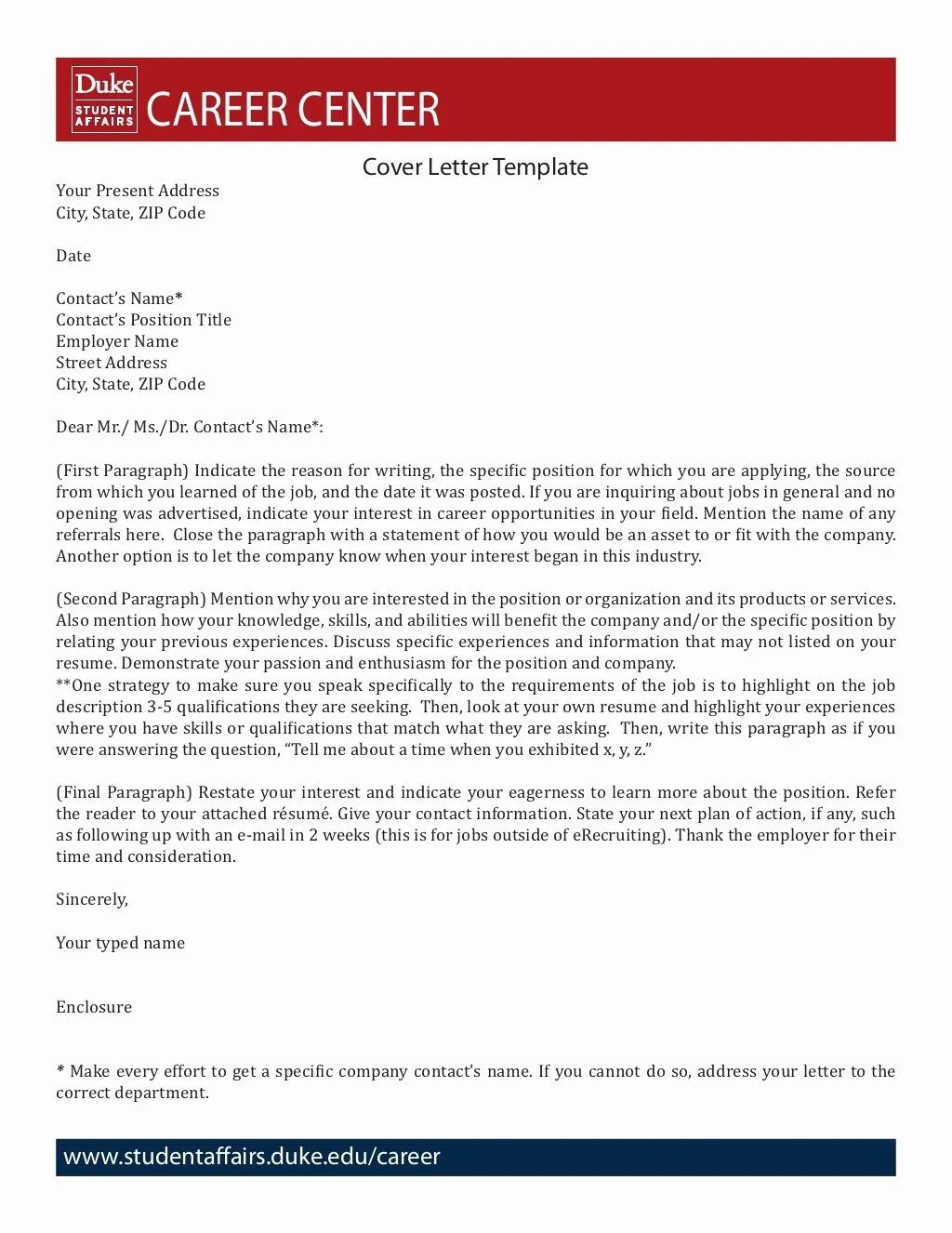
A well-formatted cover letter shows professionalism. Use a standard business letter format, including your contact information, the date, and the recipient’s address. Choose a clear, easy-to-read font like Times New Roman or Arial, with a font size of 12 points. Keep the letter concise and to the point, aiming for one to two pages at most. Use paragraphs to organize your information logically, and break up large blocks of text. Avoid using any slang or jargon. Proofread the letter carefully for any grammatical errors or typos, as this will ensure your letter is polished. A well-formatted and presented letter gives a positive impression and enhances the application.
Proofreading and Editing
Thorough proofreading and editing are crucial. Spelling, grammar, and punctuation errors can undermine the credibility of your application. Carefully review the letter for any inconsistencies or inaccuracies. Ask a trusted friend, family member, or professional to review the letter for you. They can catch errors you might have missed. Ensure all the information in the letter matches the information on your application form and in your supporting documents. Proofread multiple times, checking for both technical errors and clarity of expression. A well-written and error-free cover letter presents a professional and polished image.
Contact Information and Closing

At the end of your cover letter, include your contact information. This should include your full name, mailing address, phone number, and email address. Provide the contact information for the F1 visa holder as well. Close the letter with a formal closing such as “Sincerely,” or “Respectfully.” Sign the letter by hand before scanning it, if possible. Then, include your typed name below the signature. Thank the visa officer for their time and consideration. By including these components, you confirm that you can be easily contacted if needed. Properly closing your cover letter completes a professional and well-crafted application.