Understanding the Importance of a Cover Letter
In the competitive field of forensic science, a well-crafted cover letter is your first opportunity to make a lasting impression on potential employers. Unlike a resume, which simply lists your qualifications, a cover letter provides a space to showcase your personality, express your passion for forensic science, and explain why you are the perfect fit for the position. It’s an essential tool that can significantly increase your chances of landing an interview and ultimately, securing your dream job. Therefore, approaching your entry level forensic science cover letter with the right strategy can set you apart from other applicants.
Why a Cover Letter Matters in Forensic Science
A cover letter goes beyond the basic information found in your resume, enabling you to demonstrate your understanding of the specific job requirements and the needs of the employer. In forensic science, attention to detail and strong communication skills are paramount. Your cover letter serves as a practical demonstration of these abilities. By clearly and concisely articulating your qualifications, experiences, and enthusiasm, you can highlight how you can contribute to their team. A well-written cover letter shows you have taken the time to carefully consider the position and the organization, which is a crucial step in making a great impression.
Highlighting Relevant Skills

Your entry level cover letter must effectively showcase the skills and experiences that make you a strong candidate. Even without extensive professional experience, you can emphasize the relevant skills you’ve gained through coursework, internships, volunteer work, or other experiences. Think about the specific skills the job description emphasizes and provide evidence of how you have demonstrated them in the past. Using examples from your academic projects or volunteer activities can bring your qualifications to life, showing how you applied these skills in practical situations.
Essential Skills for Forensic Science
Forensic science relies on a particular set of skills, including analytical thinking, attention to detail, and the ability to work methodically and accurately. Highlight your skills in data analysis, problem-solving, and the use of scientific equipment if you have such experience. Mention any lab techniques or software used in your coursework or research. Strong communication skills are also crucial, particularly the ability to write clear and concise reports and communicate effectively with colleagues. Finally, a strong ethical foundation and an understanding of legal procedures are vital for success.
Demonstrating Passion and Interest
One of the most effective ways to distinguish your cover letter is to express your genuine interest in forensic science. This isn’t just about saying you’re interested; it’s about conveying your enthusiasm in a way that resonates with the reader. Share what initially sparked your interest in the field, what aspects of forensic science you find most compelling, and how you see yourself contributing to the organization. This level of passion, when shared authentically, can make a lasting impression on the hiring manager and make you more memorable.
Expressing Enthusiasm for Forensic Science
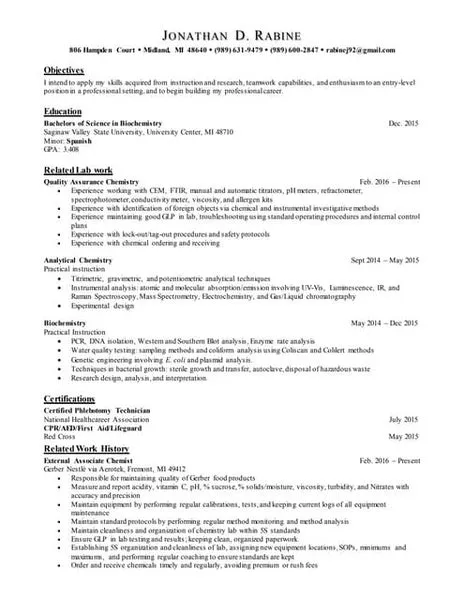
Share specific examples of how your passion has driven your academic pursuits or volunteer work. Did you participate in a forensic science club, conduct independent research, or take extra courses to deepen your understanding? Were you particularly drawn to a specific area of forensic science, such as DNA analysis, toxicology, or crime scene investigation? Use this space to showcase your enthusiasm and demonstrate your desire to contribute to the field, ensuring the hiring manager knows you are committed.
Structuring Your Entry Level Cover Letter
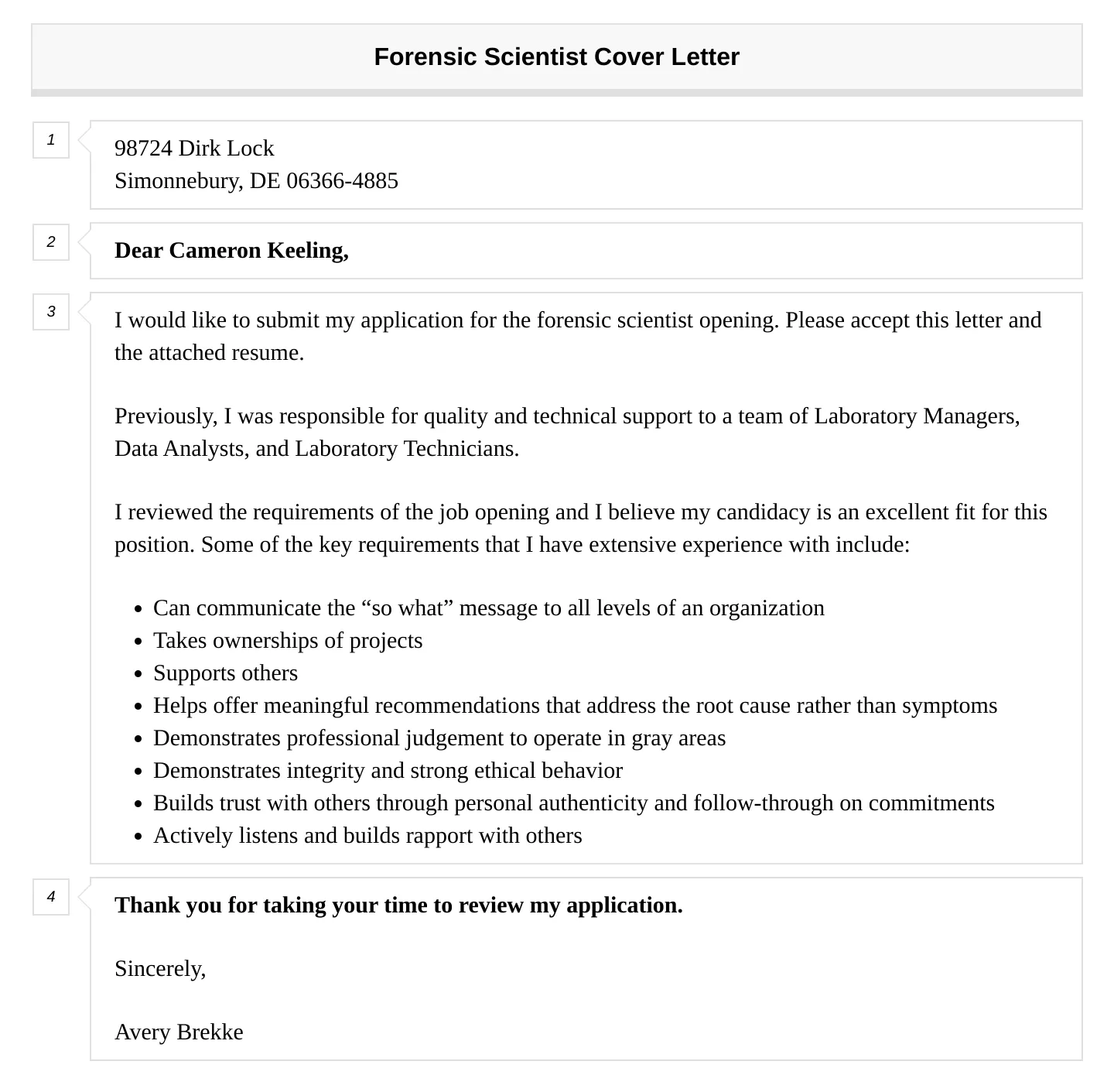
The structure of your cover letter should be clear, organized, and easy to follow. A well-structured letter allows the hiring manager to quickly grasp your key qualifications and understand why you are a good fit for the role. Use distinct paragraphs to address each major point. A typical entry level cover letter should include a header with your contact information, a professional salutation, an introductory paragraph, several body paragraphs, and a strong closing statement.
Header and Contact Information
Begin your cover letter with your full name, address, phone number, and professional email address. Consider including a link to your LinkedIn profile or a professional portfolio if you have one. Ensure that your contact information is easy to read and up-to-date. If you know the name of the hiring manager, address the letter to them to show you have taken the time to find out. Always check the job posting to ensure you know the person’s name.
Professional Salutation

Start your cover letter with a professional salutation. If you know the hiring manager’s name, use it. For instance, “Dear Mr./Ms. [Last Name].” If you don’t know their name, you can use a general salutation like “Dear Hiring Manager.” Avoid casual greetings like “Hi there” or “To Whom It May Concern,” which might come across as less professional. Your salutation sets the tone for the rest of the letter, so keep it professional.
Body Paragraphs
The body paragraphs are where you provide details about your qualifications and demonstrate your suitability for the role. Each paragraph should focus on a specific aspect of your skills, experiences, or interest. The structure usually consists of an introduction, where you state the purpose of your letter and mention the position. Following this, you will highlight your key skills, providing examples to back them up, and explain why you are a good fit for the company. The final paragraph is dedicated to concluding the letter, restating your interest, and indicating your eagerness for an interview.
First Paragraph Introduction
In the opening paragraph, state the purpose of your letter and the position you are applying for. Briefly mention where you found the job posting and express your enthusiasm. Keep it brief and to the point, immediately capturing the reader’s attention and showing your awareness of the job. Clearly state the specific position you’re applying for and where you saw the posting. For example, “I am writing to express my strong interest in the Forensic Scientist position advertised on [Platform].”
Second Paragraph Highlighting Skills

In the second paragraph, highlight your key skills and qualifications. Focus on the skills the employer is seeking as mentioned in the job description. Provide specific examples of how you have used these skills in past experiences, whether in academic projects, internships, or volunteer work. Quantify your achievements whenever possible, by using numbers or data. For example, instead of saying “I have experience with DNA analysis,” you might say “In my undergraduate research, I successfully analyzed over 50 DNA samples using PCR techniques.” This provides more concrete evidence of your ability.
Third Paragraph Explaining Why the Company
Use this paragraph to show you’ve researched the company and understand its mission, values, and goals. Explain why you want to work specifically for this organization and how your values align with theirs. Mention any specific projects or initiatives that resonate with you and explain how your skills and experiences can contribute to their success. Tailor your response to show how you will be able to meet the needs of the organization, showing you are ready to grow with them.
Closing Paragraph Call to Action
Conclude your letter by restating your interest in the position and expressing your enthusiasm for an interview. Reiterate your understanding of the job requirements and your confidence in your ability to meet them. Thank the hiring manager for their time and consideration. Include a clear call to action, such as “I am eager to discuss my qualifications further in an interview.” Provide your contact information and mention you are available at their earliest convenience.
Proper Formatting and Tone

The overall formatting and tone of your cover letter should reflect professionalism and attention to detail. Your cover letter is a representation of yourself, and the presentation is just as crucial as the content. A well-formatted letter with an appropriate tone demonstrates your ability to communicate effectively, which is an important skill in the field of forensic science.
Choosing the Right Tone
The tone of your cover letter should be professional, enthusiastic, and confident. Avoid sounding too casual or overly informal. Demonstrate your professional demeanor, but don’t be afraid to show your passion for the field. Your tone should reflect confidence in your skills and abilities, but refrain from being arrogant. Maintain a positive and respectful tone throughout the letter, showing you have a collaborative spirit.
Proofreading and Editing
Proofreading and editing your cover letter is essential to ensure it is polished and error-free. Spelling and grammar errors can undermine your credibility and signal a lack of attention to detail. Always proofread your cover letter carefully before sending it, and consider asking a friend, professor, or career counselor to review it for you as a second pair of eyes can often catch errors you might miss.
Common Mistakes to Avoid

When crafting an entry level forensic science cover letter, avoiding certain common mistakes is essential for success. Be mindful of these pitfalls to ensure your cover letter makes a positive impression and highlights your suitability for the role. These are the mistakes you should avoid so you can make a lasting impression.
Generic Cover Letters
Submitting a generic cover letter is a common mistake, that doesn’t address the specific requirements of the job or the company. Always tailor your cover letter to each position you apply for. Mention the specific job title, and highlight how your skills align with the requirements outlined in the job description. Showing the hiring manager you have a unique interest in their company will leave a good impression.
Typos and Grammatical Errors
Typos and grammatical errors can negatively impact your credibility. Ensure your letter is free of spelling, punctuation, and grammatical mistakes. Use a spell checker, read the letter aloud, and ask a friend or career counselor to review it. Proofread multiple times and make sure you are not overlooking any mistakes.
Ignoring Job Requirements
Failing to address the job requirements outlined in the job description is a major mistake. Read the job description carefully and address each of the requirements in your cover letter. Highlight how your skills and experiences align with what the employer is seeking. By referencing specific skills and abilities, you are ensuring you fulfill their criteria.
Tailoring Your Cover Letter
Tailoring your cover letter to each job application is essential for demonstrating your genuine interest and suitability for the specific role. This means going beyond simply changing the company name and address. It includes researching the company, understanding the job requirements, and customizing your letter to emphasize the relevant skills and experiences that align with the position’s needs.
Researching the Company
Before you start writing your cover letter, research the company thoroughly. Understand their mission, values, recent projects, and any news or developments. Visit their website, read articles, and check their social media profiles. Use this information to demonstrate that you understand their organization and how your skills and experiences align with their goals. This also demonstrates you are seriously considering this career.
Customizing for Each Application
Customize your cover letter for each application by addressing the specific requirements of the job. Highlight the skills and experiences that are most relevant to the position. Use keywords from the job description and demonstrate how your qualifications meet the needs of the role. This shows the hiring manager that you have taken the time to carefully consider the position and that you are a good fit.
Including a Strong Call to Action
Your cover letter should conclude with a clear call to action. Make it easy for the hiring manager to take the next step by expressing your interest in an interview and indicating your availability. Be specific about your availability for an interview and thank the hiring manager for their time and consideration. A strong call to action indicates you are proactive and eager to advance in the application process.
What to Expect in Your Cover Letter
Your entry level forensic science cover letter should provide a brief overview of your skills and experiences, showcase your enthusiasm, and express your interest in the specific role and organization. Be concise, clear, and targeted. Your cover letter should complement your resume, not repeat it. It should highlight your unique qualities and demonstrate how you can contribute to the company.
Example of a Great Cover Letter
A great entry level forensic science cover letter is tailored to the job description and highlights relevant skills, experiences, and enthusiasm. It should be well-structured, free of errors, and communicate your interest in the specific organization. It should express your passion for forensic science and demonstrate your understanding of the role and the organization.
Key Takeaways for Your Letter
Creating a compelling entry level forensic science cover letter involves expressing your passion, highlighting the relevant skills, and demonstrating your understanding of the company and the role. Pay attention to the details, tailor your letter, and proofread carefully to ensure your letter makes a positive impression. By following these guidelines, you can significantly increase your chances of securing an interview and landing your dream job in forensic science.