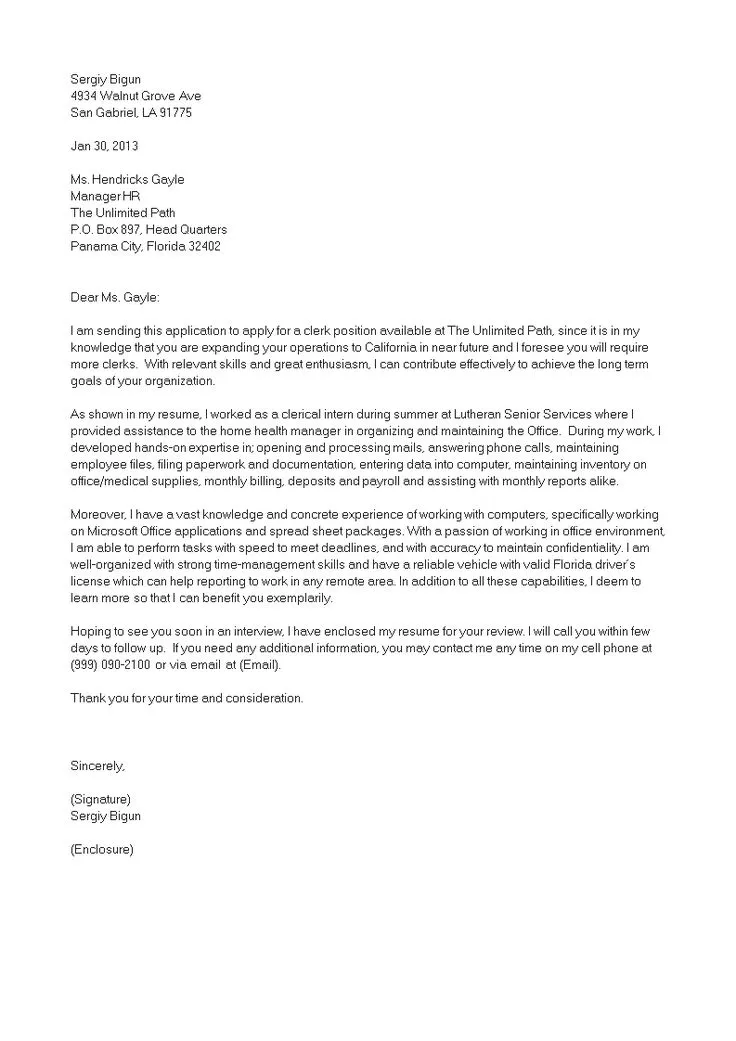
What is an Entry-Level Cover Letter?
An entry-level cover letter is a crucial document that accompanies your resume when you apply for a job. It serves as your introduction to a potential employer, providing an opportunity to showcase your personality, skills, and enthusiasm for the position. Unlike more experienced professionals who can lean on years of experience, entry-level candidates often rely heavily on their cover letters to demonstrate their potential and make a strong first impression. This letter highlights your relevant skills, experiences (even if they’re not directly work-related), and your understanding of the company and the role. A well-crafted entry-level cover letter can significantly increase your chances of securing an interview, even if your work history is limited.
Key Components of a Compelling Cover Letter
A compelling cover letter goes beyond simply restating the information on your resume; it tells a story and makes a case for why you are the ideal candidate. First, begin with a professional header that includes your contact information (name, phone number, email address) and the date. Then, address the hiring manager by name, if possible; this shows you’ve done your research and are genuinely interested. The body should consist of an introduction, body paragraphs that highlight relevant skills and experiences, and a strong closing. Always tailor your cover letter to the specific job and company, demonstrating your understanding of their needs and how you can meet them. Proofread meticulously to eliminate any errors in grammar or spelling, as these can undermine your credibility. Finally, keep it concise and easy to read; aim for no more than one page.
Formatting Your Entry-Level Cover Letter

The format of your cover letter is as important as its content. A clean, professional layout makes it easier for the hiring manager to read and digest the information. Use a standard font like Times New Roman, Arial, or Calibri, with a font size between 10 and 12 points. Maintain consistent spacing throughout the document, using single spacing within paragraphs and double spacing between paragraphs. Left-align the text and avoid full justification, which can create awkward gaps between words. Choose appropriate margins (1 inch on all sides) to ensure a balanced and visually appealing presentation. This meticulous attention to formatting demonstrates your professionalism and attention to detail, qualities that are highly valued by employers. A well-formatted cover letter showcases your respect for the reader’s time and enhances the overall impact of your application.
Header Section
The header of your entry-level cover letter is the first thing the hiring manager will see. It should include your full name, address, phone number, and email address. Make sure the email address is professional (avoid nicknames or unprofessional language). The date should follow the contact information, and then the hiring manager’s name, title, and the company address. This header establishes your contact information and provides a professional appearance. Always double-check the spelling of the hiring manager’s name and company address to avoid errors, as these mistakes can create a negative initial impression. Keep the header neat and well-organized to convey a sense of professionalism and attention to detail.
Body Section
The body of your cover letter is where you make your case for why you’re the perfect fit for the job. It comprises the introduction, body paragraphs, and the closing. The introduction should immediately grab the reader’s attention by stating the position you’re applying for and where you found the job posting. The body paragraphs should showcase your skills, experiences, and accomplishments that align with the job requirements. Tailor your content to the specific job description, highlighting the keywords and skills the employer is looking for. Use concrete examples to demonstrate your abilities and quantify your achievements whenever possible. The closing paragraph should reiterate your interest in the position and include a call to action, such as expressing your availability for an interview. Ensure a smooth flow of information and maintain a professional tone throughout the body section to create a strong and lasting impression.
Introduction Paragraph

Your introduction paragraph is your first opportunity to capture the hiring manager’s attention. Start by clearly stating the position you’re applying for and where you saw the job posting. Briefly explain why you’re interested in the role and the company. If someone referred you, mention their name as well. The introduction should be concise, engaging, and designed to immediately establish your purpose for writing. A strong introduction will entice the reader to continue reading and learn more about your qualifications. Avoid generic openings and tailor your introduction to the specific job requirements. Focus on what you can bring to the role and how your skills and enthusiasm align with the company’s values.
Highlighting Your Skills and Experiences
In the body of your cover letter, you should highlight the skills and experiences that make you a strong candidate. Even if you lack extensive work experience, focus on transferable skills gained through internships, volunteer work, academic projects, or extracurricular activities. For each skill or experience, provide a specific example to illustrate how you’ve used it and what results you achieved. Quantify your accomplishments whenever possible, using numbers and data to demonstrate the impact you’ve made. If the job description emphasizes specific skills, make sure to address them directly, explaining how your abilities align with the employer’s needs. Tailor your examples to the job requirements and provide relevant context to show the value you bring to the role.
Tailoring Your Cover Letter to the Job Description
One of the most important strategies for writing an effective entry-level cover letter is to tailor it to the specific job description. Review the job posting carefully, identifying the key skills, qualifications, and requirements the employer is looking for. Use the same keywords and phrases in your cover letter to demonstrate that you understand the job’s demands and are a good fit for the role. Highlight your relevant experiences and skills that align with the job requirements, providing concrete examples to back up your claims. Show that you’ve researched the company and understand its mission and values, demonstrating your genuine interest in the organization. Tailoring your cover letter demonstrates that you’ve taken the time to carefully consider the job and are not simply sending out a generic application. This increases your chances of getting noticed by the hiring manager.
Quantifying Your Achievements

Whenever possible, quantify your achievements in your entry-level cover letter. Instead of simply stating that you improved a process, provide specific numbers or data to demonstrate the impact you made. For example, instead of saying “improved customer service”, say “increased customer satisfaction scores by 15% through implementing a new feedback system.” Use data, percentages, and other metrics to show the results of your actions. Quantifying your achievements provides concrete evidence of your skills and abilities, making your cover letter more compelling and memorable. This approach demonstrates a results-oriented mindset and makes it easier for the hiring manager to assess your value to the company. Ensure the numbers and data you provide are accurate and relevant to the job requirements.
Call to Action & Closing Paragraph
Your closing paragraph should reiterate your interest in the position and include a call to action. Thank the hiring manager for their time and consideration. Express your enthusiasm for the opportunity to interview and learn more about the role. Include a clear statement about your availability and how they can reach you. Reiterate your contact information, including your phone number and email address, in case it gets overlooked. End your cover letter with a professional closing, such as “Sincerely” or “Best regards,” followed by your typed name. The closing paragraph should be concise and leave a positive lasting impression, encouraging the hiring manager to take the next step in the hiring process.
Proofreading and Editing Your Cover Letter
Proofreading and editing are critical steps in the cover letter writing process. Before submitting your application, carefully review your cover letter for any errors in grammar, spelling, punctuation, and formatting. Errors can create a negative impression and undermine your credibility. Read your cover letter aloud to catch any awkward phrasing or unclear sentences. Ask a friend, family member, or career advisor to proofread your letter, as a fresh pair of eyes can often spot mistakes you may have missed. Ensure your contact information is accurate and up to date. A polished, error-free cover letter shows that you pay attention to detail and are committed to presenting your best self to the employer. Take the time to ensure your cover letter is flawless before sending it off.
Common Mistakes to Avoid

Several common mistakes can diminish the impact of your entry-level cover letter. Avoid generic language and templates; always tailor your letter to the specific job and company. Don’t simply repeat your resume; instead, expand on your experiences and showcase your skills. Refrain from using jargon or slang, and maintain a professional tone throughout. Avoid being overly casual or informal. Do not include irrelevant information or personal details that are not relevant to the job. Ensure the letter is free of errors in grammar, spelling, and punctuation, as these can be a major turnoff for hiring managers. Make sure the layout is clean and professional. Finally, do not submit the wrong cover letter for a specific job. Always double-check that you are sending the appropriate document.
How to Tailor Your Cover Letter
Tailoring your cover letter is not just about changing a few keywords; it involves a comprehensive understanding of the job requirements and the company’s needs. First, research the company thoroughly, understanding its mission, values, and culture. Analyze the job description carefully, identifying the key skills and qualifications the employer is seeking. Highlight your relevant experiences and skills, providing specific examples to demonstrate your abilities. Quantify your achievements whenever possible to showcase your impact. Customize your language and tone to align with the company’s brand and culture. Proofread the letter meticulously to ensure accuracy and eliminate any errors. Tailoring your cover letter shows the employer that you are genuinely interested in the role and that you have taken the time to understand their needs, making your application stand out from the crowd.
Using Action Verbs Effectively
Action verbs are crucial in making your cover letter more impactful. They describe your accomplishments and make your statements more dynamic and engaging. Instead of using passive phrases like “responsible for,” use strong action verbs such as “managed,” “led,” “developed,” “implemented,” or “achieved.” Choose action verbs that are relevant to the job requirements and that accurately reflect your skills and accomplishments. When describing your experiences, begin each bullet point or paragraph with a strong action verb. For example, instead of writing “Duties included customer service,” write “Provided exceptional customer service, resolving issues and exceeding customer expectations.” Using action verbs demonstrates that you are proactive and results-oriented, making your cover letter more compelling and memorable. Use action verbs that effectively convey your skills and capabilities.
Examples of Entry-Level Cover Letters

Reviewing examples of successful entry-level cover letters can provide valuable insights and help you structure your own application. Look for examples that align with your field and the types of positions you are targeting. Pay attention to the formatting, tone, and language used. Analyze how the candidates highlight their skills, experiences, and accomplishments. Note how they tailor their letters to the specific job descriptions and demonstrate their interest in the company. Use the examples as a guide, adapting the strategies and language to create a cover letter that reflects your unique qualifications and personality. Remember that you can modify your cover letter to showcase the key elements. It is an effective approach to get inspiration and improve the quality of your own cover letter.