What is an Employment Cover Letter (Explained)
An employment cover letter is a critical document that accompanies your resume when applying for a job. Think of it as your first introduction to a potential employer, and it provides you with an opportunity to highlight your key skills, experiences, and qualifications. Unlike a resume, which offers a concise summary of your professional history, a cover letter allows you to elaborate on your relevant experiences, demonstrate your personality, and express your enthusiasm for the position. This document is essentially your chance to make a strong first impression and persuade the hiring manager to read your resume and consider you for an interview. A well-crafted cover letter significantly increases your chances of landing an interview and ultimately, securing the job. Therefore, the importance of a well-written cover letter cannot be overstated in the competitive job market.
Importance of a Cover Letter
The importance of a cover letter extends beyond just submitting your resume. It provides essential context to your application, showing the employer how your skills align with the job requirements. It’s a space where you can personalize your application, demonstrating genuine interest in the company and the specific role. In today’s job market, many employers expect a cover letter, and neglecting to include one can suggest a lack of attention to detail or genuine interest. A compelling cover letter can differentiate you from other candidates, showcasing your unique value and making your application more memorable. It allows you to address any gaps in your resume, explain career changes, or highlight transferable skills that might not be immediately apparent. By writing a great cover letter, you’re not just submitting an application; you are starting a conversation.
Key Components of an Employment Cover Letter

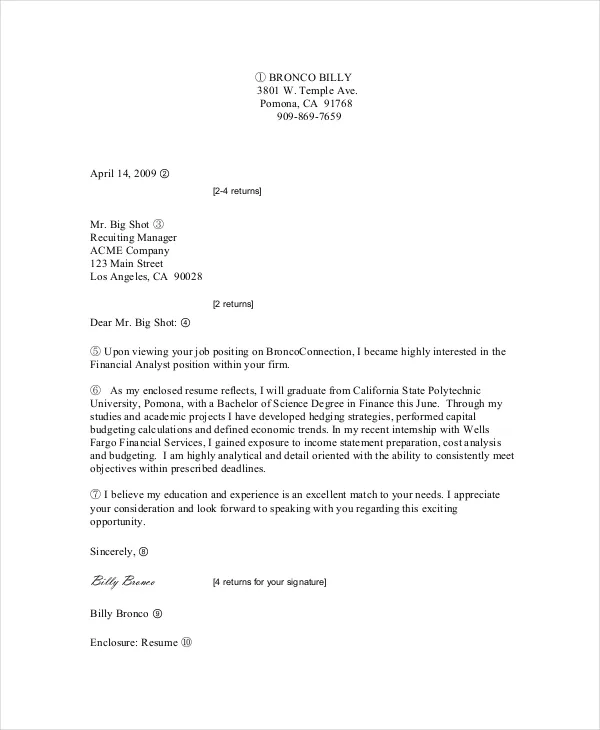
A successful employment cover letter consists of several key components. These components work together to present you as a strong candidate. The first is the header, which includes your contact information and the date, followed by the employer’s information. Then comes the greeting, setting the tone with a professional salutation is important. The opening paragraph should immediately grab the reader’s attention and state the position you’re applying for, along with how you found the opportunity. The body paragraphs will focus on highlighting your relevant skills, experiences, and accomplishments, demonstrating how you meet the job requirements. You should include concrete examples and quantify your achievements whenever possible. Finally, the closing paragraph restates your interest, thanks the reader for their time, and includes a call to action. Each section plays a vital role in selling your unique value proposition to the employer. The overall structure is designed to be clear, concise, and persuasive, moving the reader toward the next step.
Contact Information (Your & the Employer)
Begin with your contact information at the top of the letter. Include your full name, phone number, email address, and optionally, your LinkedIn profile URL. This allows the employer to easily reach you if they want to move forward. Directly beneath, add the date, followed by the employer’s information. This includes the hiring manager’s name, their title, the company name, and the company’s address, if available. Addressing the letter to a specific person shows that you have done your research and demonstrates your attention to detail. If you are unable to find the hiring manager’s name, address the letter to the hiring team or the appropriate department.
Professional Greeting
Start your cover letter with a professional greeting. Whenever possible, address the hiring manager by name. This personalized approach immediately grabs their attention and shows that you have taken the time to research the company and the specific role. Use “Dear Mr./Ms./Mx. [Last Name]” if you know the person’s name and title. If you are unsure of the hiring manager’s name, or it’s not readily available, use a general greeting such as “Dear Hiring Manager,” or “Dear [Department Name] Team.” Avoid overly casual greetings like “Hi” or “Hello”. The greeting sets the tone for the entire letter, so maintain a professional and respectful tone.
Introduction & Hook

The introduction to your cover letter is critical. It is the first thing a hiring manager will read, so it should be engaging and capture their attention. Start by clearly stating the position you are applying for and where you found the job posting. Briefly mention why you’re interested in the company and the role, showing that you have done your research and that you are genuinely excited about the opportunity. The introduction should quickly highlight your most relevant skills or experiences, hinting at what the rest of the letter will explore in more detail. A strong hook can be an interesting fact, a specific achievement, or a statement about your passion for the company’s mission. The goal is to immediately demonstrate your value and encourage the reader to continue reading.
Highlighting Your Skills and Experience
The body of your cover letter is where you showcase your skills and experience. Focus on the skills and experiences that are most relevant to the job description. Use specific examples to demonstrate how you have successfully applied these skills in the past. For each point, make sure you explain the situation, the tasks you undertook, the actions you took, and the results you achieved, using the STAR method (Situation, Task, Action, Result). Quantify your achievements whenever possible, using numbers to demonstrate your impact. For example, instead of saying you “increased sales,” say that you “increased sales by 15%.” Tailor your examples to the specific requirements outlined in the job description, making it clear that you understand what the employer is looking for and that you can deliver.
Tailoring Your Cover Letter
One of the most important aspects of a successful cover letter is tailoring it to each specific job application. Generic cover letters that simply list your skills and experience will not make a strong impression. Read the job description carefully, paying close attention to the required skills, qualifications, and responsibilities. Highlight the experiences and skills that align directly with these requirements. Customize your letter to reflect your understanding of the company, its values, and its mission. Show the employer why you are a perfect fit for the role and the organization. If you’re applying for multiple positions, always make the effort to modify your cover letter for each one, ensuring that it directly addresses the specific needs and expectations of each employer. Take the time to research the company to get a better understanding of their company culture.
Showcasing Achievements & Results

Use your cover letter to showcase your achievements and the results you have obtained in previous roles. Instead of merely listing your responsibilities, focus on the outcomes you achieved. When describing your accomplishments, use action verbs to make your statements more impactful. Highlight specific projects or initiatives where you exceeded expectations, solved problems, or drove positive change. Whenever possible, quantify your achievements with numbers, percentages, or specific metrics to demonstrate the tangible value you brought to your previous employers. For example, instead of saying “Improved customer satisfaction,” say “Increased customer satisfaction scores by 20% through improved service processes.” By highlighting your achievements, you show employers that you can not only perform the job but also deliver positive results, differentiating yourself from other applicants.
Closing the Cover Letter
The closing paragraph is your final opportunity to make a lasting impression. Summarize your interest in the position and reiterate your enthusiasm for the opportunity. Thank the hiring manager for their time and consideration. Clearly state your call to action, such as requesting an interview or expressing your availability for a phone call. Express your eagerness to discuss how you can contribute to the company’s success. Keep the tone professional and positive, and avoid sounding desperate or entitled. A well-written closing paragraph leaves the reader with a positive impression of your professionalism, skills, and enthusiasm, encouraging them to move forward with your application.
Expressing Enthusiasm
Expressing enthusiasm in your cover letter can make a significant difference. Show genuine interest in the position and the company. Demonstrate that you have done your research and understand their mission, values, and recent achievements. Mention specific aspects of the role or the company that particularly appeal to you. Your enthusiasm should be genuine and authentic. Avoid sounding overly enthusiastic or generic. Tailor your enthusiasm to the specific job and company to create a stronger connection with the hiring manager. Let your passion shine through, as this can set you apart from other candidates who might not be as invested in the opportunity. This can make a positive impression and make the reader more likely to consider your application.
Call to Action

A clear and direct call to action is a crucial element of your cover letter. The call to action is the final statement that encourages the reader to take the next step. It should be concise and specific. Request an interview by stating your availability and interest in discussing your qualifications further. You might also express your willingness to provide additional information or references. Make it easy for the employer to respond by including your contact information, if it isn’t already present. A strong call to action ensures that the employer knows what you want and encourages them to take the next step in the hiring process, demonstrating your proactive approach and your eagerness for the opportunity. This closes the letter on a positive note.
Proofreading & Editing
Proofreading and editing your cover letter is a critical step in the writing process. Errors in grammar, spelling, and punctuation can undermine your credibility and may lead to your application being rejected. Carefully review your cover letter for any mistakes. Use grammar and spell-checking tools, but don’t rely on them completely; they often miss errors. Read your cover letter aloud to catch awkward phrasing or unclear sentences. Ask a friend, family member, or career advisor to review your letter for clarity and accuracy. Ensuring your cover letter is free from errors demonstrates your attention to detail and professionalism. Review the final version to ensure that the formatting is consistent and that all sections flow logically. A polished and error-free cover letter significantly increases your chances of making a positive impression on the hiring manager.
Common Cover Letter Mistakes (Avoid)
Avoid making these common mistakes in your cover letter. These mistakes can hurt your chances of getting noticed. Ensure your cover letter is effective and professional by steering clear of these errors. Make sure you pay attention to detail, as this can be what sets you apart from the other applicants.
Grammar and Spelling Errors

One of the most common cover letter mistakes is errors in grammar and spelling. These errors can make you appear unprofessional and indicate a lack of attention to detail. Always proofread your letter carefully before submitting. Use a spell checker and a grammar checker. Ask a friend or colleague to review your letter for any mistakes. Avoid relying solely on these tools, as they can miss subtle errors. Always ensure that your sentences are clear and concise, and that your writing flows well. Correcting these errors boosts your credibility.
Generic Cover Letter
Avoid using a generic cover letter that can be used for any job application. These letters often lack the specific information and personalization that employers are looking for. Customize your cover letter for each job application, highlighting your relevant skills and experiences, and explaining how you can contribute to the company’s success. Research the company and tailor your letter to show that you understand their values and mission. A generic cover letter demonstrates a lack of interest and shows a lack of effort, which can lead to your application being rejected. Focus on making the letter personalized and relevant to the job.
Not Tailoring to the Job
Another common mistake is failing to tailor your cover letter to the specific job description. Read the job description carefully and identify the key skills, qualifications, and responsibilities that the employer is looking for. Highlight the experiences and skills from your resume that directly match these requirements. Use keywords from the job description in your letter to demonstrate that you understand what the employer is seeking. Explain how your experience and skills align with the job and the company’s needs. Avoid using a one-size-fits-all approach and instead customize your letter to show that you have the qualifications and the ability to succeed in the role.
Format & Layout Considerations

The format and layout of your cover letter impact its readability. Use a clean and professional format with appropriate spacing and margins. Choose a font that is easy to read. Ensure that your contact information is clearly displayed at the top of the letter. Use clear headings and subheadings to organize the content and improve readability. Keep the paragraphs concise. Using an effective layout will increase your chances of getting the reader’s attention.
Font Selection & Readability
The font you select can significantly impact the readability of your cover letter. Choose a professional and easy-to-read font, such as Times New Roman, Arial, or Calibri. Avoid using overly stylized or decorative fonts, as they can be difficult to read. Ensure that the font size is appropriate, typically between 10 and 12 points. Use consistent formatting throughout the letter, including font style, size, and spacing. Ensuring your letter is easy to read is crucial to the hiring manager. Make sure your cover letter is formatted correctly.
File Format (PDF)
Always save your cover letter as a PDF file before submitting it. This ensures that the formatting remains consistent across different devices and operating systems. A PDF file prevents the document from being altered by the recipient. Avoid submitting your cover letter in a format like Microsoft Word, unless specifically requested. When saving your file, use a clear and professional file name, such as “Your Name_Cover Letter_Job Title.” A well-formatted file demonstrates attention to detail and professionalism.
Employment Cover Letter Samples and Examples
Reviewing cover letter samples and examples can provide you with valuable insights. These resources will show you the proper structure. Many online sources offer a wide range of cover letter samples, catering to various industries, job types, and experience levels. When you’re reviewing examples, focus on how each letter highlights the writer’s skills and how they are tailored to the specific job description. Pay attention to the language used. Use these examples as inspiration for your own cover letter, adapting them to your unique skills and experiences. Use these as a guide. These will help you create a compelling cover letter.
Cover Letter Examples for Different Industries
Cover letter examples often vary depending on the industry and the type of role you’re applying for. Research cover letter formats that match your job search. When creating a cover letter, you should consider different examples in different areas. Look for examples of cover letters for specific industries, such as finance, healthcare, tech, or education, as they can provide you with insight into the specific skills, qualifications, and language that are expected. Look at examples for various roles. Ensure you understand what to include. These examples will help you tailor your cover letter.
Final Thoughts & Next Steps
Writing an effective cover letter is a critical step in your job search. By understanding the key components of a cover letter, avoiding common mistakes, and tailoring your letter to each job application, you can significantly increase your chances of landing an interview. Remember to always proofread and edit your cover letter carefully. Use the resources provided, such as samples and examples, to improve your writing. With effort and attention to detail, you can create a cover letter that makes a strong impression and helps you achieve your career goals. Apply the tips and steps we discussed to create your cover letter and begin your job search.