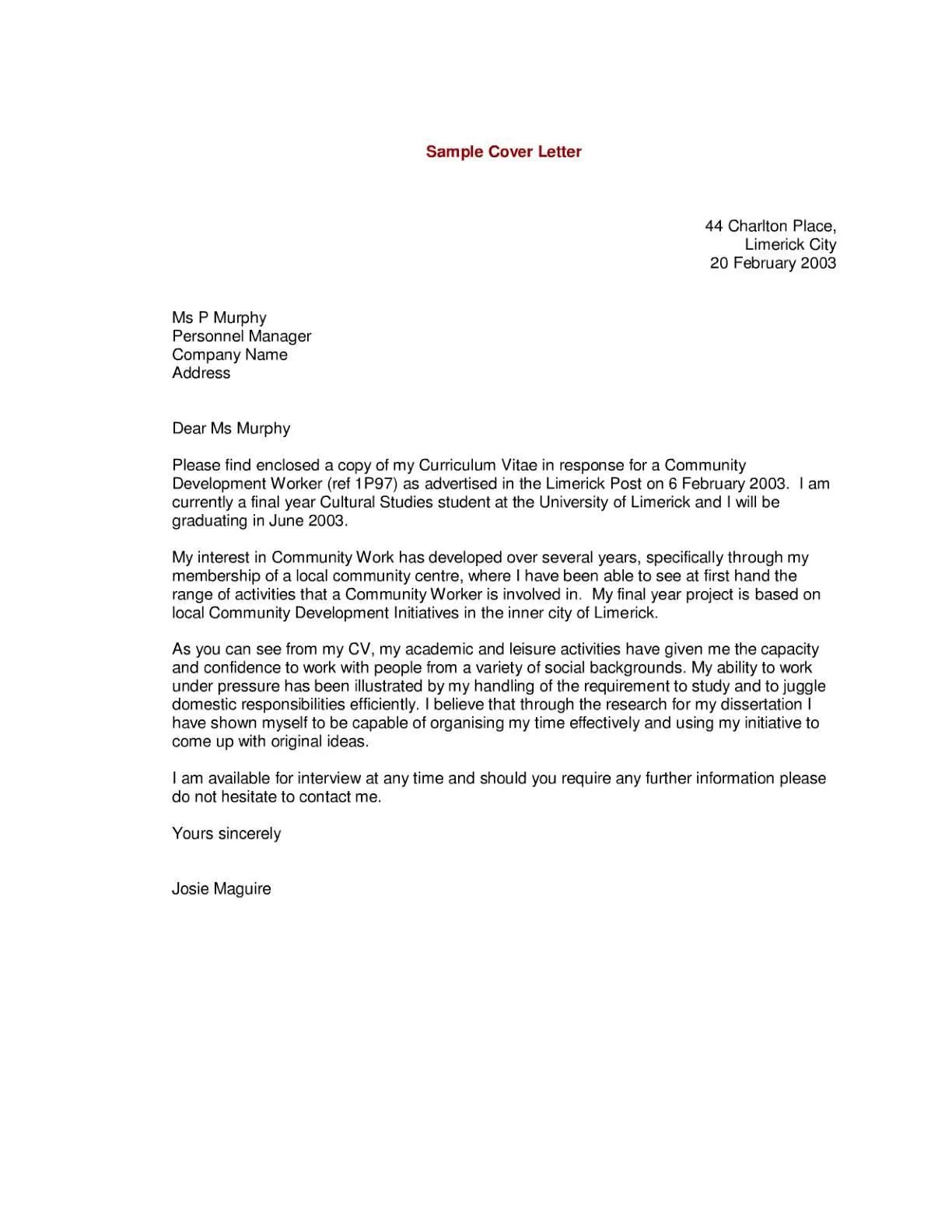
Cover Letter with Resume What It Is
A cover letter is a document you submit along with your resume when applying for a job. It serves as an introduction, allowing you to expand on the information presented in your resume and highlight your skills, experience, and qualifications in more detail. The cover letter provides an opportunity to express your interest in the specific position and demonstrate why you are a suitable candidate. A well-crafted cover letter, accompanied by a well-structured resume, significantly increases your chances of securing an interview and ultimately landing your dream job. The combination of these two documents creates a comprehensive view of your professional profile, enabling potential employers to evaluate your suitability for the role.
The Purpose of a Cover Letter
The primary purpose of a cover letter is to introduce you to a potential employer and showcase your interest in a specific job opportunity. Unlike your resume, which offers a summary of your professional history, a cover letter allows you to tell your story, elaborate on your qualifications, and express your personality. It’s a chance to demonstrate your understanding of the company and the role, and to explain why you’re the perfect fit. Moreover, the cover letter helps you personalize your application, making it stand out from the crowd. In a competitive job market, a well-written cover letter is crucial for capturing the hiring manager’s attention and prompting them to delve deeper into your qualifications. It bridges the gap between your resume and the employer’s needs, making a compelling case for why they should consider you.
Essential Components of a Cover Letter

A strong cover letter is composed of several key elements, each playing a vital role in conveying your message effectively. These components work together to create a cohesive and persuasive narrative that captures the reader’s attention. Understanding and incorporating these elements is crucial for maximizing your chances of making a positive impression. Here’s a breakdown of the essential components to include in your cover letter, along with the best practices for each one. By meticulously crafting each part, you will be presenting a professional and compelling introduction of yourself.
Header
The header of your cover letter should include your contact information, such as your name, phone number, email address, and optionally, your LinkedIn profile URL. This information is crucial for the employer to easily reach you if they are interested in scheduling an interview. The header should be formatted consistently with your resume and positioned at the top of the document. It provides a professional appearance and ensures that your contact details are readily accessible to the recipient. Make sure your email address is professional, and your phone number is up to date to ensure a seamless communication process.
Greeting
Address the hiring manager by name if possible. Research the company to find the hiring manager’s name or use a professional alternative such as “Dear Hiring Manager” if you can’t find a name. Avoid generic greetings like “To Whom It May Concern.” Personalizing the greeting shows that you’ve taken the time to research the company and the specific role, demonstrating your genuine interest in the opportunity. Addressing the letter to a specific person adds a personal touch, making your application feel less generic and more tailored to the recipient.
Opening Paragraph

Your opening paragraph should immediately grab the reader’s attention. State the position you’re applying for and where you found the job posting. Briefly mention why you are interested in the role and the company, showing enthusiasm and a clear understanding of their needs. This is your first chance to make a strong impression, so make it count. Consider starting with a compelling statement about why you’re a great fit. The goal is to capture the reader’s interest and make them want to read the rest of your cover letter.
Body Paragraphs
The body paragraphs form the core of your cover letter. Use them to highlight your relevant skills, experience, and accomplishments. Tailor these paragraphs to match the job description, using specific examples from your past experiences to demonstrate your qualifications. Use action verbs to describe your responsibilities and achievements, and quantify your results whenever possible. This is where you show how your skills and experience align with the job’s requirements. Be clear and concise, focusing on the most pertinent information that aligns with the role you’re applying for. Structure your paragraphs logically, with a clear focus on your contributions and capabilities.
Highlighting Relevant Skills and Experience
In the body of your cover letter, focus on the skills and experiences most relevant to the job you’re applying for. Carefully review the job description and identify the key requirements. Then, in your cover letter, provide specific examples of how you’ve demonstrated those skills in previous roles. Use keywords from the job description to show that you understand the role and can perform the necessary tasks. By highlighting relevant skills and experiences, you increase your chances of demonstrating that you are a well-suited candidate for the position. Use the STAR method (Situation, Task, Action, Result) to explain your accomplishments effectively.
Quantifying Achievements

Whenever possible, quantify your achievements to show the impact of your work. Use numbers, percentages, and specific data to demonstrate your accomplishments. For example, instead of saying, “Improved customer service,” you might say, “Increased customer satisfaction scores by 15%.” Quantifying your achievements provides concrete evidence of your abilities and makes your accomplishments more compelling. Providing quantifiable results makes it easier for the hiring manager to understand the value you brought to previous roles and how you could potentially benefit their company. This approach adds credibility and reinforces your claims.
Tailoring to the Job
Tailor your cover letter to each job you apply for. Avoid using a generic template; instead, personalize your letter to match the specific requirements and expectations of the role and the company. Research the company, understand their mission, and address how your skills and experience align with their needs. Show that you have taken the time to understand the role and the company, demonstrating your interest and enthusiasm. The more you tailor your cover letter, the better your chances of making a strong impression on the hiring manager and securing an interview. Customization shows your genuine interest and attention to detail.
Closing Paragraph
Your closing paragraph should reiterate your interest in the position and thank the hiring manager for their time and consideration. Briefly summarize why you are a good fit for the role and express your enthusiasm for the opportunity. Make sure to include a call to action, inviting the reader to contact you for an interview. The closing should be positive, professional, and leave a lasting impression. Your closing paragraph is your final chance to make a memorable impression, so make sure it reflects your genuine interest and enthusiasm.
Call to Action

Include a clear call to action in your closing paragraph. State that you are available for an interview and provide your contact information. Make it easy for the hiring manager to take the next step. A strong call to action confirms your interest and allows the hiring manager to know what you expect. This proactive approach encourages a prompt response, moving your application forward in the hiring process. The call to action is essential for creating a clear path for the hiring manager to follow, thereby increasing your chances of getting an interview.
Formal Closing
End your cover letter with a professional closing, such as “Sincerely,” “Best regards,” or “Thank you.” Ensure your closing aligns with the tone of your letter. Be consistent in the formality throughout the entire document. Your closing sets the final tone of your letter, so use it to project professionalism and respect. This ensures a positive and professional end to your cover letter, leaving the hiring manager with a favorable impression of you.
Resume Integration
Your cover letter should complement your resume, not duplicate it. While your resume provides a detailed overview of your work history and skills, your cover letter should expand on these points. Focus on highlighting the experiences and skills that are most relevant to the job, and use your cover letter to explain why you are a good fit for the role. Think of your resume as providing the ‘what’ and your cover letter as providing the ‘why’ and the ‘how’. Use your cover letter to elaborate on experiences, provide context, and showcase your personality, and highlight what makes you the ideal candidate.
Formatting Your Cover Letter

The formatting of your cover letter is crucial for making a good first impression. A well-formatted cover letter is easy to read and visually appealing, reflecting your professionalism. Pay attention to the elements to ensure your cover letter is polished and presents you in the best possible light. Proper formatting shows attention to detail and respect for the reader’s time. The right formatting choices help create a document that is easily scannable and highlights your key qualifications. Effective formatting includes the appropriate font, font size, and spacing to achieve readability.
Font and Style
Choose a professional and readable font, such as Times New Roman, Arial, or Calibri. Use a font size between 10 and 12 points. Stick to a simple, clean style that is easy on the eyes. Avoid using overly decorative fonts or styles that could distract from the content of your letter. Consistency is crucial; ensure the font and style align with your resume. This consistency creates a professional and polished look. Well-chosen fonts and styles ensure that your cover letter is easy to read and that your message is easily communicated.
Length
Keep your cover letter concise, ideally no more than one page. Focus on the most important information and avoid unnecessary details. Be direct and get to the point. A one-page cover letter demonstrates respect for the hiring manager’s time and ensures that your key qualifications are highlighted. If your cover letter goes on for more than one page, chances are the hiring manager will lose interest. A concise cover letter requires that you get straight to the point and focus on only the most pertinent aspects of your qualifications.
Proofreading and Editing

Proofread your cover letter carefully for any errors in grammar, spelling, and punctuation. These errors can damage your credibility and leave a negative impression. Have someone else review your letter to catch any mistakes you might have missed. Proofreading is essential to ensure your cover letter presents you as a detail-oriented and capable professional. Typos and grammatical errors can undermine your chances of securing an interview. A well-edited cover letter demonstrates your attention to detail and your commitment to quality.
Common Mistakes to Avoid
There are several common mistakes that can undermine your cover letter and reduce your chances of landing a job. Being aware of these mistakes will help you avoid them and create a more effective application. Avoiding these pitfalls is vital to creating a strong application that makes a positive impression. These errors can damage your credibility and make it harder to get noticed. Reviewing these mistakes and addressing them will significantly improve the quality of your application.
Including Irrelevant Information
Avoid including information that is not relevant to the job. Focus on highlighting your skills and experiences that directly align with the job requirements. Including irrelevant information wastes the reader’s time and makes it difficult to assess your suitability for the role. Concentrate on what makes you a good fit for the specific position. Stick to details that strengthen your application and demonstrate your relevance to the job.
Typos and Grammatical Errors

Always proofread your cover letter for typos, grammatical errors, and spelling mistakes. Errors can make you appear unprofessional and careless. Proofreading ensures your letter is polished and conveys professionalism. Having someone else review your letter can help catch errors that you might have missed. Using tools such as grammar checkers, and proofreading services is recommended to ensure a clean and error-free final product.
Generic Cover Letters
Avoid using a generic cover letter that could be sent to any employer. Instead, tailor each cover letter to the specific job and company. Generic letters show a lack of interest and effort, while personalized letters demonstrate your genuine enthusiasm and attention to detail. Customization also shows that you have carefully considered the specific requirements of the job and are genuinely interested in the opportunity. Take the time to tailor your application to each job you apply for.
Tips for Different Job Types
The approach to writing a cover letter can vary depending on the type of job you’re applying for. Understanding these nuances will help you tailor your application effectively and make a strong impression on the hiring manager. Tailoring your cover letter to the specific needs of each job type can substantially enhance your chances of success. The strategies outlined for each job type emphasize the importance of tailoring your approach and highlighting the most relevant aspects of your experience.
Entry-Level Positions
For entry-level positions, emphasize any relevant experience you have, even if it’s from internships, volunteer work, or extracurricular activities. Highlight your skills and enthusiasm, and demonstrate your willingness to learn and grow. Focus on transferable skills and your potential to succeed. Show a strong desire to contribute to the company. Since your experience may be limited, highlight your academic achievements and any relevant projects to showcase your abilities.
Mid-Career Professionals
For mid-career professionals, focus on your proven track record of accomplishments and your ability to deliver results. Quantify your achievements whenever possible. Showcase your leadership experience, and highlight any specific projects or initiatives where you made a significant impact. Demonstrate how your past experiences align with the specific needs of the role. Position yourself as an experienced professional who can bring immediate value to the team. Focus on your accomplishments, skills, and how you can help the company achieve its goals.
Career Changers
If you’re changing careers, focus on the transferable skills you have that are relevant to the new role. Explain why you’re making the career change and how your skills and experience make you a good fit for the position. Address any potential gaps in your experience with a proactive approach, emphasizing your willingness to learn and adapt. Tailor your letter to highlight how your experience aligns with the new role. The ability to explain and translate these skills is key to a successful career change. Your cover letter must clearly explain your motivations and demonstrate your potential to excel in the new field.
Cover Letter with Resume Quick Guide
Writing a compelling cover letter with your resume involves highlighting your skills, tailoring to the job, and avoiding common mistakes. Include a header, greeting, opening and closing paragraphs, and body paragraphs. Incorporate resume integration, proofreading and editing, and follow the tips for different job types. Make it a quick guide for success.