
Cover Letter vs Letter of Interest
Navigating the job market can be challenging, and understanding the nuances of different application documents is crucial for success. Two such documents that often cause confusion are the cover letter and the letter of interest. While both serve the purpose of introducing you to a potential employer, they differ significantly in their intent, audience, and application context. This article will dissect the top 5 differences between a cover letter and a letter of interest, providing clarity and guidance on when to use each one effectively. Knowing these differences can significantly improve your chances of landing an interview and ultimately securing your dream job. Whether you’re a recent graduate or a seasoned professional, mastering these distinctions is essential for a successful job search.
Purpose and Intent
Cover Letter Purpose

The primary purpose of a cover letter is to express your interest in a specific job opening. It accompanies your resume and serves as a personalized introduction to the hiring manager. The cover letter’s intent is to highlight how your skills, experiences, and qualifications align with the requirements of the advertised position. It aims to persuade the reader that you are a strong candidate and encourage them to review your resume in detail. A well-crafted cover letter should provide a concise overview of your relevant experience and explain why you are the best fit for the role, thereby increasing your chances of getting an interview. A cover letter always is tailored to a specific job.
Letter of Interest Purpose
In contrast, a letter of interest is a proactive communication sent to a company when there isn’t a specific job opening advertised. Its primary purpose is to express your interest in working for the company and to inquire about potential job opportunities. The intent is to introduce yourself, showcase your skills and experience, and express your enthusiasm for the organization. This type of letter is often used when you’re targeting a specific company or industry and want to make a positive impression, even without a job posting. The goal is to create an opportunity, not necessarily respond to one. This document can be very effective for networking and making connections.
Target Audience and Application Stage
Cover Letter Audience

The intended audience for a cover letter is usually the hiring manager or recruiter responsible for filling a specific position. The cover letter is always linked to a particular job posting, so you can tailor your letter to match the required skills and experiences in the job description. It’s important to address the letter to the correct person, if possible, by researching the hiring manager’s name. If the hiring manager’s name is not available, addressing the letter to “Hiring Manager” is an acceptable alternative. The tone and content of the letter should reflect the company’s culture and the requirements of the role. Proofreading is important to ensure accuracy.
Letter of Interest Audience
The audience for a letter of interest is typically a hiring manager, a department head, or a contact within the company who has the authority to make hiring decisions. Since there isn’t a specific job opening, you’re essentially approaching the company with the intention of creating an opportunity. Researching the company and identifying the appropriate person to send the letter to is crucial. Your letter may be forwarded to the relevant department. The aim is to show how your skills and experience align with the company’s overall goals, emphasizing your value to the organization. This approach requires a more general approach as you cannot tailor the letter to a specific job.
Job Application Status
Cover Letter Application Status

A cover letter is always submitted in response to a specific job posting. It is an integral part of a job application package. This means that the company has explicitly advertised a role, and you are applying for that position. The cover letter is therefore a direct response, showcasing how your qualifications match the job requirements outlined in the job description. The application status is clear: you are a candidate for an existing opening. The deadline for the application is defined, and the hiring process is already underway. This direct approach allows you to demonstrate immediately why you are a suitable candidate for the advertised role.
Letter of Interest Application Status
A letter of interest is sent when there is no specific job opening advertised. It is a proactive measure to express your interest in working for a company. This approach is particularly useful when you admire a specific company or are interested in a particular industry. The application status is undefined. The intent is to introduce yourself, showcase your skills, and inquire about potential opportunities. This proactive approach often requires more networking and research to identify the right contact within the company. The success of a letter of interest depends on the company’s current needs and the impression you make, which makes it a less direct approach than a cover letter.
Content and Structure
Cover Letter Content

A cover letter typically includes a formal introduction, a summary of your qualifications, relevant experience, and a call to action. The introduction should state the specific job you are applying for and where you found the advertisement. The body of the letter should highlight your skills and experiences that align with the job requirements. Quantifiable achievements and specific examples of your work are essential. The conclusion should reiterate your interest in the position and a call to action, such as requesting an interview. The tone should be professional, yet personal, showing your enthusiasm for the specific role and company. Tailoring the letter to each job is critical to demonstrate your genuine interest.
Letter of Interest Content
A letter of interest generally starts with an introduction expressing your interest in the company and the industry. The body should highlight your skills, experiences, and accomplishments, emphasizing how you can contribute to the company. Since there is no specific job description, you need to demonstrate your overall value and transferable skills. Researching the company’s mission, values, and current projects is important so you can tailor your letter accordingly. A strong call to action, such as requesting a meeting or interview, is essential. The letter’s tone should be professional and enthusiastic, reflecting your genuine interest in the company and its culture. The content should be more general to showcase your versatility.
Call to Action and Follow-up
Cover Letter Call to Action
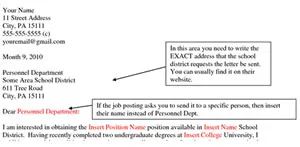
The call to action in a cover letter is direct and specific. It usually requests an interview or an opportunity to discuss your qualifications further. The closing paragraph should reiterate your interest in the position and express your availability for an interview. Include your contact information for easy access. Following up is essential. After submitting your application, a follow-up email or phone call within a week is appropriate to reiterate your interest and confirm receipt of your application. This shows your commitment and attention to detail. The call to action should be clear and concise, encouraging the reader to take the next step.
Letter of Interest Call to Action
The call to action in a letter of interest is more open-ended. Since there isn’t a specific job opening, you may request a meeting or an opportunity to discuss potential opportunities. It is important to state your availability for a meeting or a phone call to further discuss how your skills and experiences align with the company’s needs. Follow-up is also crucial. After sending a letter of interest, it’s appropriate to follow up within a week or two. Sending a brief email to reiterate your interest and inquire about the status of your letter is a good idea. Be professional, polite, and persistent in your follow-up to increase your chances of getting a response. The call to action should be realistic and encourage dialogue.
Summary
Key Differences
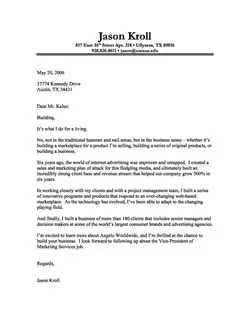
- Purpose: Cover letters respond to a specific job posting, while letters of interest are proactive expressions of interest.
- Audience: Cover letters are tailored to hiring managers for specific roles, whereas letters of interest target potential hiring managers within a company.
- Application Status: Cover letters are part of an active application, whereas letters of interest are for exploring potential opportunities.
- Content: Cover letters highlight skills and experience relevant to a specific job description, while letters of interest emphasize the overall value you can bring to a company.
- Call to Action: Cover letters typically request an interview for a specific position, whereas letters of interest may request a meeting to discuss potential opportunities.
Understanding these key differences will help you determine which document is appropriate for your job search needs. Use a cover letter when applying for a specific job. Use a letter of interest when targeting a company or industry you admire, without a specific role in mind. Both are essential tools in your job search arsenal, and knowing how to use them effectively will significantly improve your chances of career success.